For an occasional fizzy drink with a school-holiday snack, consider a no-added-sugar squash mixed to its labelled dilution, after checking the prepared drink’s sugars and ingredients. For regular drinks between snacks, water or plain milk is the simpler choice for children: NHS guidance favours these drinks, while NHS dental sources caution that even sugar-free fizz can affect teeth. A fruit squash containing sugar is better kept occasional rather than served as an everyday drink.
Who is this choice relevant to?
Families planning an occasional fizzy drink
If a flavoured drink is part of a holiday snack, distinguish no-added-sugar squash from a sugar-containing recipe. Northumbria Healthcare NHS Foundation Trust and NHS dental guidance also caution against frequent fizzy drinks, including sugar-free ones.
Households comparing sugars in drinks
Compare nutrition for the squash after dilution, at the ratio on its bottle. Fruit imagery or a no-added-sugar claim does not tell you everything about the prepared drink.
Families checking particular ingredients
Sweeteners and sulphites differ between recipes. Check the current bottle’s ingredient and allergen information when either matters for a child.
How should you choose a snack-time drink?
Decide whether this is an occasional drink with a snack or something to offer regularly, then compare the prepared drink rather than the concentrate alone.
No-added-sugar squash with sparkling water
Consider it: For an occasional fizzy, flavoured drink when the chosen squash’s diluted nutrition and ingredients suit the household.
Bear in mind: No added sugar does not remove the dental concern associated with frequent fizz, according to NHS dental guidance.
Still water or plain milk
Consider it: For regular drinks between snacks; NHS guidance identifies water and milk as the preferred drinks for children.
Bear in mind: Neither provides the fizzy, fruit-flavoured drink some families want for an occasional snack.
Fruit squash containing sugar
Consider it: When that particular recipe is wanted as an occasional drink with a meal.
Bear in mind: Fruit-led wording does not establish that the diluted drink contains little sugar; NHS guidance cautions against making sugary squash a routine child drink.
| Priority |
What to check |
Your needs |
| Sugars after dilution |
Read sugars per serving or per 100ml of prepared drink. Check the ingredient list as well as any no-added-sugar claim. |
I want to know what is in the drink I will actually serve, rather than judging it by fruit wording on the bottle. |
| Fizz and frequency |
Decide whether to use still or sparkling water and how often the drink will be offered. Northumbria Healthcare NHS Foundation Trust notes that sugar-free fizz is still acidic; NHS dental guidance advises avoiding fizzy drinks for children. |
A fizzy drink could be part of an occasional snack, but I need a different choice for regular drinks between snacks. |
| Dilution |
Follow the ratio on the exact bottle and compare nutrition on that prepared basis. Sainsbury’s lists 1 part Robinsons Orange No Added Sugar to 4 parts water, but 1 part Sainsbury’s Quadruple Strength Orange to 19 parts water. |
If I am making several drinks, I want to measure the concentrate correctly rather than assuming two squash bottles use the same amount. |
| Ingredients and allergens |
Read the current pack for sweeteners, sulphites and any ingredients the household needs to avoid. Do not assume another flavour has the same recipe. |
Where an ingredient matters for a child, I need to check the bottle being served, not just the flavour name. |
What is easy to overlook?
-
Assuming no added sugar makes fizz harmless for teeth
Northumbria Healthcare NHS Foundation Trust notes that sugar-free fizzy drinks remain acidic and can contribute to tooth erosion.
Keep sparkling squash occasional rather than sipping it throughout the day; offer water or plain milk for regular drinks between snacks.
-
Comparing bottle sizes without reading the dilution instructions
Concentrates can require very different amounts of water. Sainsbury’s lists a 1:4 squash-to-water instruction for Robinsons Orange No Added Sugar and 1:19 for its Quadruple Strength Orange squash.
Use each bottle’s ratio and labelled servings when comparing how much prepared drink it makes.
-
Taking fruit-led wording to mean little sugar
Rocks Blackcurrant is a fruit-and-sugar squash; its product information gives 4.4g sugars per 100ml when diluted. A fruit-based recipe does not by itself establish the prepared drink’s sugar content.
Read the diluted nutrition panel and, if choosing a sugar-containing squash, keep it an occasional drink rather than the default between snacks.
-
Using an online description in place of the current label
Ingredients differ between squash recipes, and the exact pack matters when a child needs to avoid an ingredient.
Check the bottle’s current ingredient and allergen information before serving, particularly for sweeteners or sulphites.
Which brands offer relevant squash options?
Robinsons
Its Orange No Added Sugar squash is a concentrate for families considering a fruit-flavoured drink.
- Sainsbury’s lists 0g sugars per 250ml diluted serving and an instruction to mix 1 part squash with 4 parts water for this Orange product.
- Check the current ingredients if sweeteners or sulphites matter; no added sugar does not remove the caution around serving it with fizz.
Sainsbury’s
Its Quadruple Strength Orange squash is a more concentrated no-added-sugar option with a different preparation ratio.
- Sainsbury’s lists 1 part concentrate to 19 parts water and under 0.5g sugars per 250ml diluted serving.
- The product contains sweeteners and sulphites; follow its own dilution instructions rather than those of a standard-strength squash.
Rocks
Its Blackcurrant squash is a fruit-and-sugar recipe whose product information explicitly allows still or sparkling water.
- The stated choice of still or sparkling water makes the mixing method clear for this product.
- The diluted drink lists 4.4g sugars per 100ml; check the pack’s after-opening storage instructions too.
Vimto
Its No Added Sugar squash offers a mixed-fruit concentrate for shoppers comparing prepared-drink nutrition.
- Waitrose & Partners lists 0.8g sugars per 250ml diluted serving for the No Added Sugar squash.
- Check its current ingredients and mixing instructions; a no-added-sugar label does not settle the dental question if the drink is made fizzy.
M&S Food
Marks & Spencer describes squash options that can be paired with still or sparkling water.
- The stated mixing choice is relevant if sparkling water is part of the serving plan.
- Use the individual bottle’s diluted nutrition, ingredients and instructions to compare a particular recipe.
Joybuy squash options
These are no-added-sugar squash concentrates to consider for the snack-time choice. Check each bottle’s instructions before mixing it with sparkling water; the selection does not make them all sparkling-specific products.
 No image available
Robinsons Orange No Added Sugar Squash 1L
Consider this Orange concentrate when comparing sugars in an occasional prepared drink. Sainsbury’s lists 0g sugars per 250ml diluted serving at 1 part squash to 4 parts water for the matching product. Check the current pack’s ingredients and whether sparkling-water mixing suits your serving plan.
View on Joybuy
 No image available
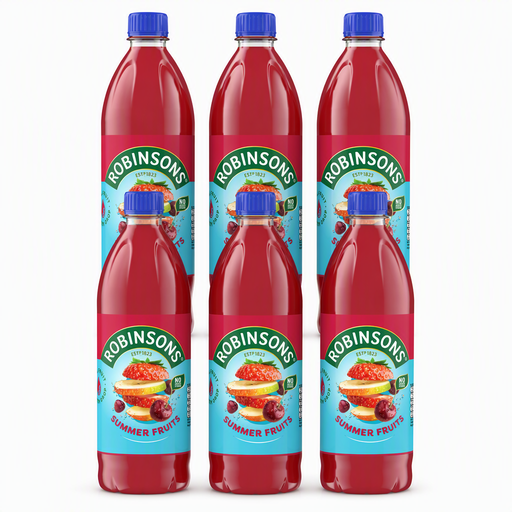
Robinsons Summer Fruits No Added Sugar Squash 6 × 1L
This six-bottle Summer Fruits pack is an option when that flavour is wanted for occasional snack drinks. Read the current pack for its dilution ratio, prepared-drink nutrition and ingredients, and check the mixing instructions before using sparkling water.
View on Joybuy
 No image available
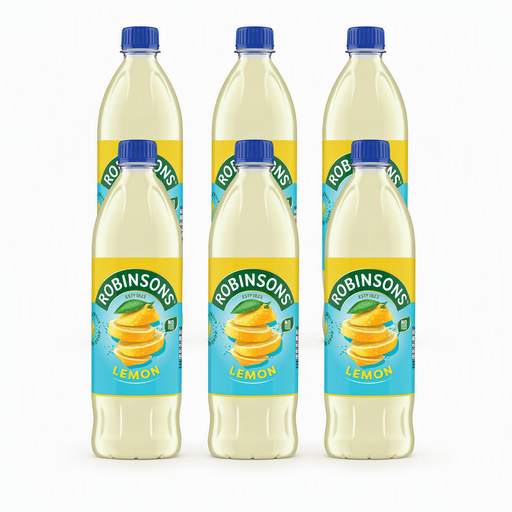
Robinsons Real Fruit Lemon Juice No Added Sugar Squash 6 × 1L
This six-bottle Lemon variant is an option if a citrus-flavoured concentrate appeals for an occasional snack drink. Use the current pack to check dilution, prepared-drink nutrition and ingredients, as well as its instructions for mixing with sparkling water.
View on Joybuy
 No image available
Ribena Blackcurrant No Added Sugar Concentrate 1.5L
This Blackcurrant concentrate is an option when that flavour is preferred for an occasional drink. Check the current pack for sugars in the prepared drink, the dilution instructions, ingredients and whether sparkling water is an appropriate mixer.
View on Joybuy
Questions about sparkling squash
Can squash be mixed with sparkling water for a school-holiday snack?
Some can: the Rocks Blackcurrant product information explicitly permits still or sparkling water, and Marks & Spencer describes the same choice for its squash range. Check the instructions on the bottle you are serving. For children, keep fizzy drinks occasional; NHS dental guidance advises avoiding even sugar-free fizz.
Is no-added-sugar sparkling squash harmless for teeth?
No. Northumbria Healthcare NHS Foundation Trust notes that sugar-free fizzy drinks are still acidic and can contribute to tooth erosion. For regular drinks between snacks, NHS guidance favours water or plain milk for children.
Why does the dilution ratio matter?
It determines how the concentrate is prepared and the basis on which its diluted nutrition is stated. Sainsbury’s lists 1 part Robinsons Orange No Added Sugar to 4 parts water, compared with 1 part Sainsbury’s Quadruple Strength Orange to 19 parts water. Follow the ratio on the exact bottle rather than applying one product’s instructions to another.
What if a child needs to avoid a particular ingredient?
Read the current bottle’s ingredient and allergen information before serving. Recipes differ: Sainsbury’s lists sulphites in its Quadruple Strength Orange squash, so a flavour name or no-added-sugar claim is not enough to establish ingredient suitability.


