Parents planning a school-day drink
The NHS recommends water and milk for children and advises avoiding squash and sugary fizzy drinks. Keep that everyday choice separate from a drink made for an occasional occasion at home.


For a child’s everyday school drink, choose plain still water or milk rather than sparkling squash: the NHS recommends water and milk for children and advises avoiding squash and sugary fizzy drinks. For an occasional fizzy drink at home, sparkling water offers fizz without concentrate; if you add squash, check its ingredients and dilution directions. Medway Community Healthcare’s dental advice for under-fives warns that acidic fizzy drinks, including sugar-free ones, can wear away tooth surfaces.
The first decision is whether the drink is for a child’s school-day routine or an occasional fizzy drink at home.
The NHS recommends water and milk for children and advises avoiding squash and sugary fizzy drinks. Keep that everyday choice separate from a drink made for an occasional occasion at home.
If you want to mix squash with sparkling water at home, compare the exact concentrate’s ingredients and dilution directions. A no-added-sugar label does not settle whether a fizzy drink belongs in a child’s daily routine.
A squash with an explicit sparkling-water instruction makes preparation clearer. Compare its sugars on the diluted basis rather than assuming that a fruit-based recipe contains no sugar.
Decide where the drink will be served before comparing concentrates. Then check the prepared drink, not just the bottle of squash.
| Priority | What to check | Your needs |
|---|---|---|
| Everyday school drink | For children, the NHS recommends water and milk and advises avoiding squash and sugary fizzy drinks. Check the school’s drinks policy before packing a fizzy drink. | I need a straightforward drink for the school day, not an occasional fizzy drink presented as an everyday substitute. |
| Fizz without squash | Choose plain sparkling water if you want carbonation without adding concentrate. Medway Community Healthcare’s advice for under-fives cautions that acidic fizzy drinks, including sugar-free ones, can wear away tooth surfaces. | Sometimes it is the fizz I want, rather than a fruit flavour or a squash ingredient list. |
| Sugar and ingredients | Compare no-added-sugar and sugar-containing concentrates using the exact label. Tesco Groceries lists Rocks Blackcurrant at 4.4g sugars per 100ml when diluted as directed, at one part squash to eight parts water. | If I choose a fruit-and-sugar squash, I want to know what is in the drink as served; otherwise, I can check a no-added-sugar option’s ingredients. |
| Sparkling preparation | Look for an instruction covering sparkling water and follow the bottle’s dilution ratio. Tesco Groceries gives an explicit still-or-sparkling instruction for Rocks Blackcurrant; M&S also describes mixing squash with sparkling water. | I want to make the drink at home and measure the concentrate, rather than assume every bottle has the same preparation directions. |
| Pack and storage | Check bottle size, dilution directions and the space needed for concentrate and sparkling water. Follow the chosen product’s storage instructions. | A pack needs to fit how we shop and serve drinks at home; a larger concentrate bottle alone does not tell me how much prepared drink it makes. |
The label describes the concentrate, not how often a child should have a fizzy drink. The NHS recommends water and milk for children, while Medway Community Healthcare’s advice for under-fives cautions about acidic fizzy drinks even when they are sugar-free.
Keep the school-day drink decision separate. For a squash bought for home, check its ingredients and serving directions.
Sugar figures can refer to different preparation states. Tesco Groceries lists Rocks Blackcurrant at 4.4g sugars per 100ml after dilution at one part squash to eight parts water.
Compare drinks on a prepared, per 100ml basis and follow each bottle’s stated dilution ratio.
A general squash listing does not give a sparkling-water instruction or dilution ratio for every individual bottle.
Check the chosen bottle. Tesco Groceries explicitly says Rocks Blackcurrant can be made with still or sparkling water.
Department for Education guidance on school food in England concerns food and drink provided by relevant state-funded schools; it does not determine an individual school’s packed-lunch policy.
Check the child’s school drinks policy before buying a fizzy drink specifically to send in.
These ranges offer different starting points for checking labels and preparation directions; a retailer listing does not establish that every flavour has the same ingredients.
Tesco Groceries and Waitrose & Partners list Robinsons no-added-sugar squash options, including concentrate formats.
Tesco Groceries lists own-label no-added-sugar squash alongside other concentrates, including a Quadruple Strength Apple & Blackcurrant 1.5L bottle.
Waitrose & Partners lists own-label no-added-sugar squash, other squash ranges and sparkling water.
M&S describes pairing squash with still or sparkling water and lists several fruit flavours.
Tesco Groceries gives a still-or-sparkling mixing instruction for Rocks Blackcurrant Squash 740ml.
These plain sparkling waters suit the fizz-without-squash option at home. If you want sparkling squash, you would need to choose a concentrate separately and follow its mixing directions; none of these waters changes the NHS advice on children’s everyday drinks.
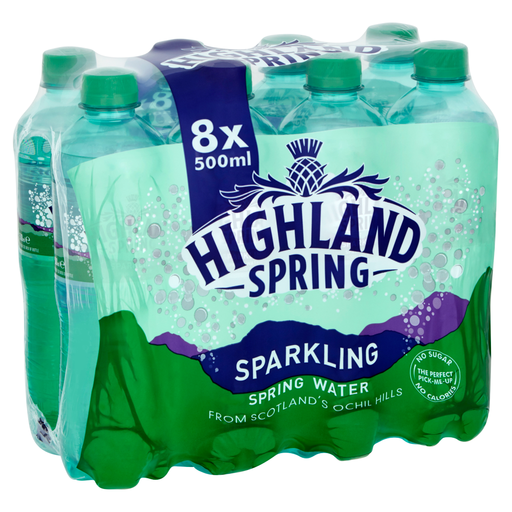 No image available
For plain fizz without squash, this pack contains eight 500ml bottles of sparkling spring water. Check the school’s drinks policy before putting a fizzy drink in a child’s bag.
 No image available
For serving plain sparkling water at home without squash, this is a pack of six 1L bottles. It is not a flavoured concentrate; check whether the bottle size suits how you plan to serve it.
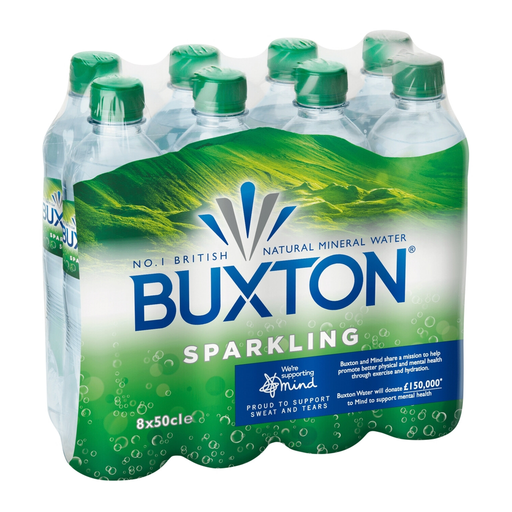 No image available
For a fizz-only drink without concentrate, this pack contains eight 500ml bottles. As with any fizzy drink intended for school, check the individual school’s policy first.
No. The NHS recommends water and milk for children and advises avoiding squash and sugary fizzy drinks. Keep an occasional fizzy drink at home separate from the everyday school-day choice.
No. Medway Community Healthcare’s dental advice for under-fives warns that acidic fizzy drinks, including sugar-free ones, can wear away tooth surfaces. Check the chosen drink’s ingredients rather than treating its no-added-sugar label as an all-purpose recommendation.
Yes, when the chosen product’s directions allow it. Tesco Groceries says Rocks Blackcurrant can be diluted with still or sparkling water at one part squash to eight parts water; M&S also describes pairing squash with sparkling water. Follow the directions on your own bottle.
Yes. Department for Education guidance on school food in England addresses food and drink provided by relevant state-funded schools, not every school’s packed-lunch arrangements. Check the child’s school drinks policy before choosing something for their bag.