Gym-goers who prefer fizz
If you like fruit flavour after a routine workout, you can mix squash with sparkling water. The NHS identifies water as the preferred way to replace fluid lost through physical activity; fizz is a matter of preference.


After an ordinary gym session, water is the first choice for replacing lost fluid; squash diluted with sparkling water is an option if you prefer fizz and flavour. A no-added-sugar concentrate lets you adjust the mix, while a ready-to-drink fizzy drink avoids preparation, but neither replaces food when quick refuelling is needed after demanding exercise. Compare sugars in the drink as prepared, check ingredients, and remember that NHS guidance associates carbonated drinks with dental erosion even when they contain no sugar.
If you like fruit flavour after a routine workout, you can mix squash with sparkling water. The NHS identifies water as the preferred way to replace fluid lost through physical activity; fizz is a matter of preference.
No-added-sugar concentrates, sweetened cordials and ready-to-drink fruit beverages can have different sugar values. Compare the nutrition information for the drink you will consume, including its stated dilution where applicable.
A fizzy drink can accompany a snack or meal, but it should not stand in for refuelling when quick recovery is needed. The British Dietetic Association advises starting with carbohydrate-rich foods and fluids in that situation.
Choose the drink format that suits how you will use it, then compare the prepared drink rather than the concentrate alone. Keep the food you need after training as a separate decision.
Choose it when: You want to adjust flavour strength and fizz by mixing a concentrate.
Bear in mind: You need sparkling water and must follow the concentrate’s dilution instructions.
Choose it when: You want a fizzy drink without measuring or mixing.
Bear in mind: You cannot adjust its dilution, and a no-added-sugar label does not necessarily mean zero sugars.
Choose it when: You prefer a conventional sugar-sweetened formulation and are comfortable with its prepared-drink sugar value.
Bear in mind: Dilution changes the amount of sugar in each glass, so measure it as directed rather than pouring freely.
| Priority | What to check | Your needs |
|---|---|---|
| Fluid and flavour | Decide whether you want still or sparkling water. If using squash, follow its dilution ratio rather than drinking the concentrate. | I want a drink I will enjoy after exercise. The NHS advises extra fluids after sweating and identifies water as the preferred way to replace lost fluid. |
| Sugars as prepared | Read sugars per serving or per 100ml of the diluted drink; check the stated mixing ratio. For a ready-to-drink product, use its own nutrition panel. | If I want to limit sugars in my drink, I need to compare what ends up in the glass. No added sugar does not mean a fruit-based drink contains no sugars. |
| Food after training | Consider how demanding the session was and whether another follows soon. Plan food separately when quick refuelling is needed. | After hard or closely repeated exercise, I need more than fizzy flavour. The British Dietetic Association recommends starting refuelling with carbohydrate-rich foods and fluids when quick recovery is required. |
| Frequent fizz | Consider how often you drink carbonated beverages, including sugar-free ones. Check sugars separately from carbonation. | I may choose fizz after the gym, but I do not want to assume a sugar-free drink is tooth-neutral: the NHS associates carbonated drinks with dental erosion because of their acid content. |
| Ingredients and storage | Check the current pack for sweeteners, allergens, dilution and instructions after opening. | Ingredients matter if I avoid a particular sweetener or allergen; a concentrate’s storage instructions also matter when choosing a bottle size. |
Fruit ingredients can contribute sugars, while concentrate and prepared-drink panels describe different amounts of liquid.
Compare sugars for the drink as consumed. For concentrates, check the label’s dilution ratio before comparing servings.
A drink may provide fluid and, if sweetened, sugar; that does not make it a substitute for food when quick refuelling is needed.
After hard or closely repeated training, pair your drink with food. The British Dietetic Association recommends carbohydrate-rich foods and fluids when quick recovery is required.
The NHS associates carbonated drinks with dental erosion due to acid content, whether or not they contain sugar or sweeteners.
Consider how often you sip fizzy drinks, and choose plain water when you want a non-carbonated drink.
Concentrates differ in their sweeteners, allergens and storage directions. Those details can affect whether a particular bottle suits you.
Read the current pack before buying and choose a size you can use within its stated period after opening.
A larger bottle can go unused if you cannot finish it within that period.
Orange No Added Sugar Squash is a concentrate to dilute with water; sparkling water is an option if you want fizz.
Lemon & Lime No Added Sugar Cordial can be mixed with still or sparkling water, according to Waitrose & Partners; Elderflower Pressé is a separate ready-to-drink sparkling option.
Blackcurrant Squash is a sugar-sweetened concentrate for mixing with still or sparkling water.
M&S Food describes squash that can be paired with sparkling water and separately offers Rhubarb with Sparkling Spring Water as a ready-to-drink option.
These are flavoured ready-to-drink options for someone considering fizz after the gym, rather than squash concentrates you can dilute. Choose a drink alongside food when your training calls for a post-exercise snack or meal.
 No image available
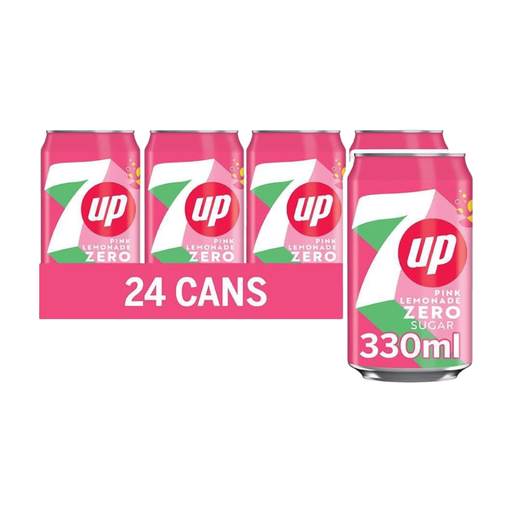
A lemonade option in a 24-pack for a drink without mixing. Check the current nutrition and ingredient label if sugars or sweeteners affect your choice; it does not replace a post-training snack.
 No image available
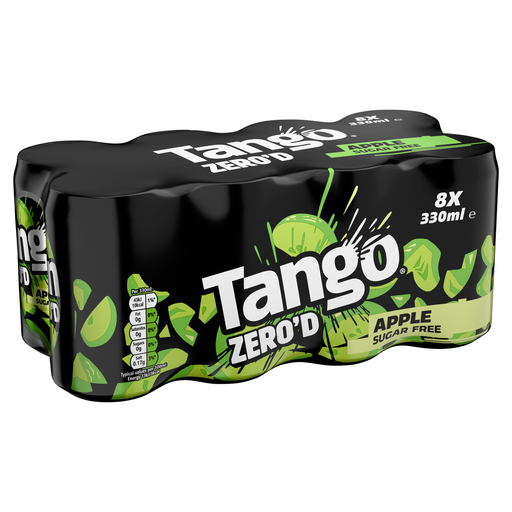
An eight-can apple-flavoured option when you do not want to mix squash. Check the pack’s ingredients and nutrition panel; a ready-to-drink can does not take the place of food after demanding training.
 No image available
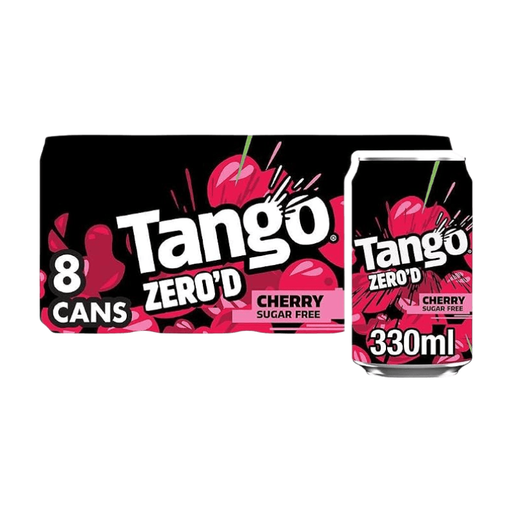
A cherry-flavoured eight-can option for a drink without measuring concentrate. Read the current label for ingredients and sugars, and plan food separately if quick refuelling is needed.
 No image available
Choose this 24-can apple variant rather than the eight-can variant if that pack quantity suits you. It is a ready-to-drink option, not a squash concentrate with adjustable dilution.
 No image available
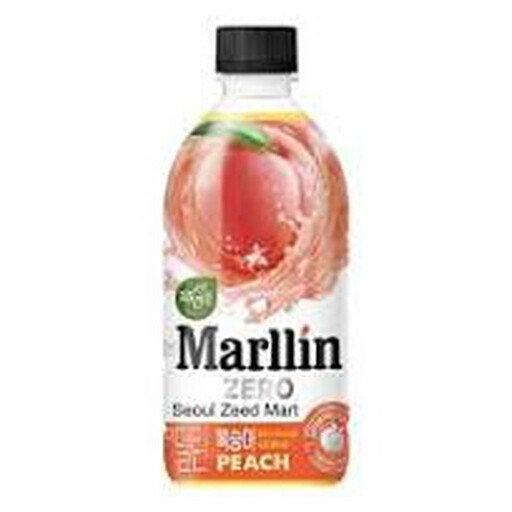
A 500ml peach-flavoured bottle to consider if you want a drink without mixing squash. Check the current pack for carbonation, sugars and ingredients before choosing it for your post-gym drink.
It can be a flavoured way to drink fluid, but the NHS identifies water as the preferred way to replace fluid lost through physical activity. Choose sparkling squash for taste, and dilute a concentrate according to its label.
No: squash is a drink, not a substitute for food when quick refuelling is needed. The British Dietetic Association recommends starting with carbohydrate-rich foods and fluids after exercise if quick recovery is required.
No. Check sugars on the nutrition panel for the drink as prepared. Belvoir Farm Lemon & Lime No Added Sugar Cordial lists 0.4g sugars per 100ml diluted 1:6, while M&S Rhubarb with Sparkling Spring Water lists 6.7g per 100g despite having no added sugar.
No. The NHS associates carbonated drinks with dental erosion because of acid content, whether they contain sugar, lower-calorie sweeteners or no-calorie sweeteners.
Check the dilution ratio, sugars for the prepared drink, ingredients, allergens and storage instructions after opening. These details vary by product; use the current pack label when a particular ingredient matters to you.