Hosts serving a mixed-age group
A squash or cordial intended for sparkling-water dilution lets you make individual glasses at different flavour strengths. Check the bottle’s mixing directions before preparing drinks for a group.


Choose a squash or cordial explicitly suitable for sparkling-water dilution if guests would like to adjust the flavour of their own glasses. Ready-to-drink sparkling fruit drinks avoid mixing, but their strength is fixed. For either choice, check the ingredients and nutrition information for the drink as served.
A squash or cordial intended for sparkling-water dilution lets you make individual glasses at different flavour strengths. Check the bottle’s mixing directions before preparing drinks for a group.
Look beyond the front-of-pack claim: compare nutrition information for the prepared drink and read the ingredient list for sweeteners and any requirements your guests have.
A cordial or fruit-led squash may offer a different flavour from familiar orange or blackcurrant squash. Check the stated fruit ingredients and dilution directions rather than judging by the flavour name alone.
Choose it when: Guests want to adjust the flavour strength of individual glasses.
Allow for: A separate bottle of sparkling water and mixing each glass when it is served.
Choose it when: Opening individual fizzy drinks matters more than adjusting their strength.
Bear in mind: The flavour and dilution are already set, so check the finished drink’s label.
Once you have chosen a format, compare flavour, mixing directions and the label details that matter to your guests.
| Priority | What to check | Your needs |
|---|---|---|
| Flavour | Compare the named fruits and ingredients. Check whether the drink is a concentrate or ready to serve. | I would choose a familiar flavour for a varied group, or a fruit-led cordial if guests prefer something different. |
| Sugar and sweeteners | Compare nutrition values on the same prepared-drink basis. Read the total sugars figure and sweetener ingredients; no added sugar does not mean zero sugars. | For a no-added-sugar choice, I still want to know what is in the glass after mixing. |
| Fizz and servings | For concentrates, confirm that sparkling water is an intended mixer and follow the stated dilution. Check the bottle’s stated serving yield for a group. | I want enough drinks for the film without making a large fizzy jug well before anyone pours a glass. |
| Ingredients | Read the current pack’s ingredient, allergen and warning information. Check product-specific vegetarian or vegan wording where relevant. | If guests avoid particular ingredients, I need to check the exact drink I plan to serve. |
| After opening | Check the bottle’s refrigeration and use-after-opening directions. For ready-to-drink packs, consider whether individual cans or a shared bottle suit the group. | I would rather open only what guests are likely to drink and follow the storage instructions for anything left. |
Squash and cordial are concentrates; sparkling water supplies the fizz. A ready-to-drink sparkling fruit drink is a different option.
Check that the concentrate is intended for sparkling-water dilution, and mix individual glasses when serving.
You will need sparkling water separately if you choose a concentrate.
Fruit ingredients can contribute sugars, while no-added-sugar products may also contain sweeteners.
Compare the prepared drink’s nutrition information and read the ingredients and current on-pack allergen wording before serving guests.
A pre-mixed fizzy drink gives guests less control over the strength of their own glass, and its carbonation can fall while it stands.
Keep the concentrate and sparkling water separate, then mix glasses as they are needed.
NHS St George’s University Hospitals says acidic drinks, including fizzy drinks and juice, can cause tooth erosion.
Have plain water available alongside the fizzy options, particularly when children are joining the movie night.
Fruit Creations offers fruit-combination squashes alongside the brand’s more familiar concentrates.
Its Lemon & Lime No Added Sugar Cordial is a concentrate for a citrus-flavoured drink.
No Added Sugar Blackcurrant Squash is a recognisable berry-flavoured concentrate.
No Added Sugar Squash offers a mixed-fruit concentrate rather than a single-fruit flavour.
The No Added Sugar Orange Squash is a double-strength own-label concentrate.
Its cordial range provides concentrates for people who want to mix their own drinks.
These sparkling apple and peach drinks are ready to serve at a movie night. They are alternatives to mixing squash with sparkling water, not concentrates whose flavour strength guests can adjust.
 No image available
Individual ready-to-drink cans suit a group that does not want to mix glasses. The listing describes a carbonated apple drink in a 24-pack of 330ml cans and identifies it as sugar-free; it is not a squash concentrate.
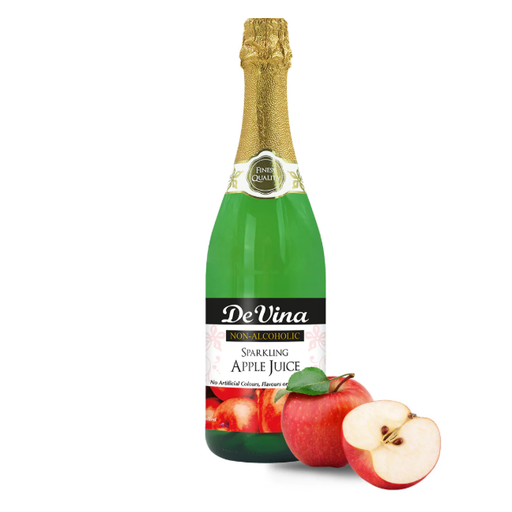 No image available
This ready-to-drink sparkling apple beverage comes in a 750ml bottle, so guests share a fixed-strength drink rather than mix their own. The listing describes it as non-alcoholic and says to refrigerate and consume it within three days after opening. Check the current pack’s nutrition information if that affects your choice.
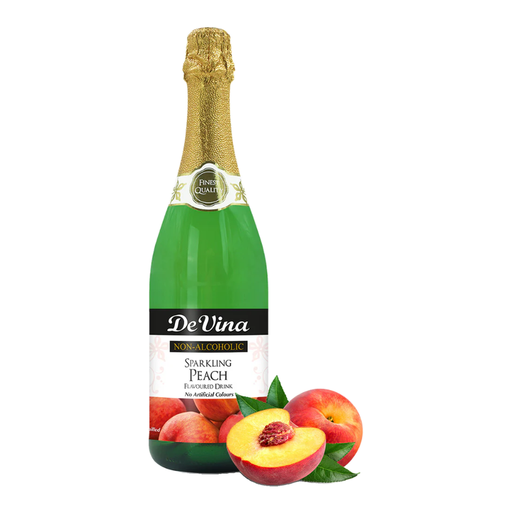 No image available
This 750ml ready-to-drink bottle offers peach flavour without mixing. Its listing states 10% peach juice and 10.5g sugars per 100ml; it also lists sugar and sulphites, so check the current pack when serving guests with relevant ingredient requirements. It is not a no-added-sugar squash.
Choose a concentrate explicitly suitable for sparkling-water dilution and mix each glass when serving. Waitrose & Partners says Belvoir Lemon & Lime cordial can be mixed with sparkling water, while Marks & Spencer gives the same mixing option for its cordials; follow the directions on the bottle you buy.
No. Fruit ingredients can contribute naturally occurring sugars. Check the nutrition information for the diluted drink where it is given, as well as the sweeteners in the ingredient list.
Not necessarily. Read the exact bottle’s ingredients, allergen information and any warnings before serving someone with an ingredient requirement; a no-added-sugar claim does not answer those questions.
Do not assume so. NHS St George’s University Hospitals says acidic drinks, including fizzy drinks and juice, can cause tooth erosion. This is general guidance rather than a comparison of particular movie-night drinks.