Organisers setting out a shared drinks table
Squash or cordial with sparkling water suits a meeting where you can provide jugs and glasses and let people choose how strongly to mix their drink. Ready-to-drink bottles avoid that preparation.


Choose squash or cordial with chilled sparkling water if you can prepare jugs and want guests to adjust the flavour strength. Choose ready-to-drink bottles or cans for quicker self-service; if sugar content matters, compare the labels rather than treating all sparkling drinks alike. Keep the packaging available so people can check the ingredients of the drink you actually serve.
Squash or cordial with sparkling water suits a meeting where you can provide jugs and glasses and let people choose how strongly to mix their drink. Ready-to-drink bottles avoid that preparation.
Individual bottles or cans make self-service straightforward. If sugar content is part of the choice, check the figure on each product: a juice-based sparkling drink can differ considerably from a sugar-free flavoured water.
Keep the packaging for each flavour at the table so attendees can check the current ingredient and allergen information for the exact drink served.
Decide first whether the meeting has room and time for mixing drinks. Then compare the labels and the quantities needed for the people attending.
| Priority | What to check | Your needs |
|---|---|---|
| Serving format | For squash or cordial, check the bottle’s mixing directions and provide chilled sparkling water, jugs and glasses. For immediate self-service, check the size and quantity of ready-to-drink bottles or cans. | I can set up a mixing table and would like people to adjust flavour strength. If there is little time or space for preparation, I would rather put out drinks that are ready to open. |
| Sugar and ingredients | Compare sugars using the same label basis, such as per 100g. Marks & Spencer lists less than 0.1g sugars per 100g for its Lemon and Lime Sparkling Water, against 6.6g per 100g for its Juicy Apple and Elderflower Sparkling Water, which contains over 60% juice. | Some attendees may prefer a drink labelled sugar-free; others may want a juice-based sparkling drink. I need the actual product labels to distinguish them. |
| Ingredient information | Check the current label for every flavour bought. Keep the bottles or cans available when serving so ingredients and allergens can be checked against the drink in each jug or glass. | Anyone asking about an ingredient should be able to identify the exact drink being served, rather than rely on the name of a flavour. |
| Meeting quantities | Check bottle volume and multipack quantity before ordering. For drinks that will be opened ahead of time, follow the product’s storage directions; Waitrose says to refrigerate its Essential Sparkling Natural Mineral Water after opening and consume it within three days. | I need enough unopened drinks or mixing supplies for the meeting, without assuming that a single bottle or can represents a particular number of servings. |
Even two ready-to-drink options can differ. Marks & Spencer lists less than 0.1g sugars per 100g for its Lemon and Lime Sparkling Water and 6.6g per 100g for its Juicy Apple and Elderflower Sparkling Water.
Compare sugars on the same per-100g or per-100ml basis shown on the products you are considering, and check their ingredients as well as their flavour names.
Concentrated squash is not ready to serve as a sparkling drink. A shared jug also needs sparkling water and somewhere to prepare it.
Check the squash label for mixing directions, and arrange chilled sparkling water, jugs and glasses. If that setup is impractical, use ready-to-drink bottles or cans.
Ingredients can differ between flavours or change over time, so a general description may not describe the bottle on the table.
Check each product’s current packaging before serving and keep it available for attendees who need to read the ingredient and allergen information.
These ranges illustrate different ways to serve sparkling drinks; a brand’s wider range should not be taken as the specification of any particular bottle.
Robinsons presents its Fruit Cordials as drinks for table service. A cordial can be mixed with sparkling water where the meeting has suitable serving equipment.
M&S describes sparkling water as suitable for adding to cordials and also lists ready-to-drink flavoured sparkling waters.
Tesco lists plain sparkling water alongside flavoured options, making its range relevant both to mixing cordial and to serving prepared drinks.
Waitrose Essential Sparkling Natural Mineral Water is a plain sparkling option for serving on its own or alongside a separate cordial.
These options include ready-to-drink sparkling soft drinks, plain sparkling water for mixing or serving, and squash concentrate. Check which format fits the way your meeting will be served.
 No image available
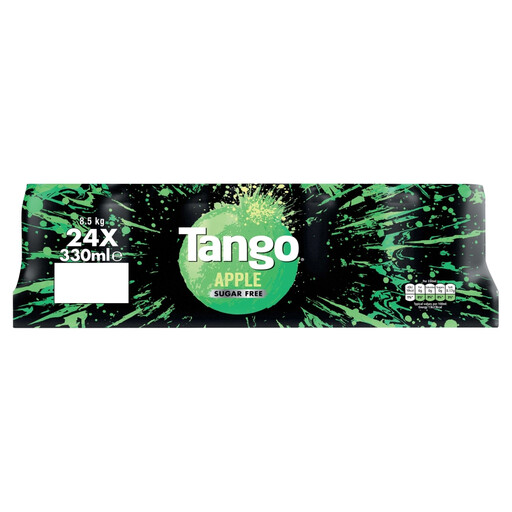
A 24-can, ready-to-drink option for individual self-service, with no mixing required. The product name identifies it as sugar-free; check the current can for ingredients before serving.
 No image available
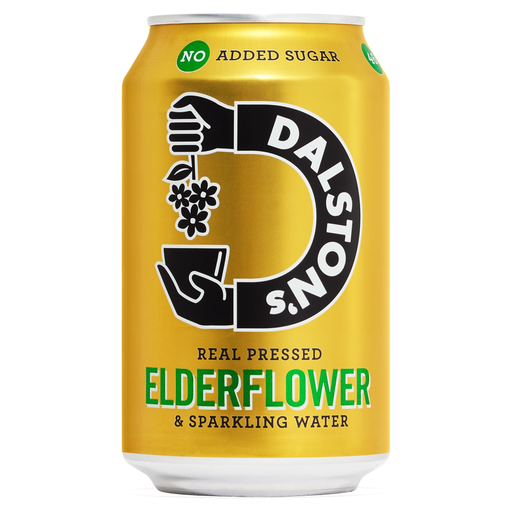
A ready-to-drink elderflower option avoids preparing a jug. Check how many 330ml cans are included before planning quantities for the meeting.
 No image available
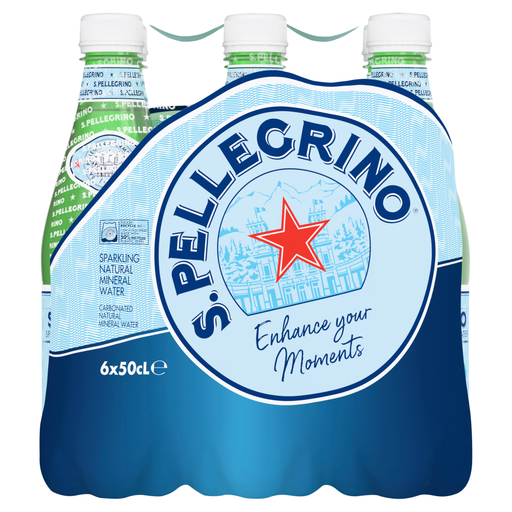
Six individual bottles can be served plain or used as the sparkling-water base for a separate squash or cordial. This pack does not itself provide a flavoured squash drink.
 No image available
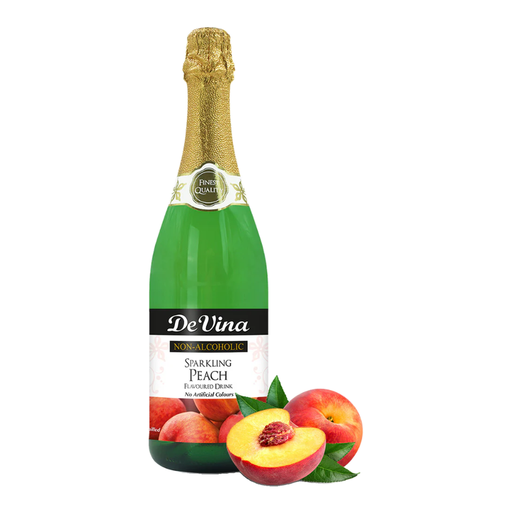
This 750ml sparkling peach drink is a bottle-format alternative to preparing squash. Check its nutrition and ingredient label if attendees are choosing between different sugar levels or need allergen information.
 No image available
This 1L squash concentrate is for a prepared drink rather than immediate self-service. Check its mixing directions on the bottle and provide sparkling water separately if you want to serve it with fizz; “no added sugar” does not replace checking the nutrition label.
Mix squash or cordial with sparkling water if you have space for jugs and want people to adjust the strength. Ready-to-drink bottles or cans are simpler for self-service; compare their nutrition labels if sugar content matters to the group.
Keep the current packaging for each drink and flavour available at the meeting. Check the exact product served rather than assuming another flavour, or an older online listing, has the same ingredients.
Follow that bottle’s storage instructions. For example, Waitrose says to refrigerate its Essential Sparkling Natural Mineral Water after opening and consume it within three days; do not assume the same directions apply to every drink.