Hosts serving a mixed-age group
Squash concentrate and separate sparkling water let you vary the dilution by glass. Check the exact bottle's ingredients before serving it to guests with dietary requirements.


Choose squash or cordial with chilled sparkling water if you want to adjust each glass; a no-added-sugar squash offers a different starting point from a sugared floral cordial, so compare the prepared-drink labels. Choose a ready-to-drink sparkling pressé when pouring without mixing matters more, but check its sugar per serving, ingredients and opened-bottle storage instructions.
The useful distinction for a New Year's Eve drinks table is whether guests will mix their own glasses or pour a finished sparkling drink.
Squash concentrate and separate sparkling water let you vary the dilution by glass. Check the exact bottle's ingredients before serving it to guests with dietary requirements.
A cordial can bring elderflower or another distinctive flavour to a drink mixed with sparkling water. Marks & Spencer says its cordials can be diluted with still or sparkling water.
A ready-to-drink sparkling bottle needs no measuring or dilution. Its flavour and sweetness are already set, and its label may call for prompt use after opening.
Choose it when: Guests may prefer different strengths and you can mix drinks as they are served.
Allow for: Separate sparkling water and a check of the concentrate's sweeteners and allergens.
Choose it when: Elderflower or another distinctive cordial flavour is central to the drinks table.
Allow for: Mixing each drink and checking sugar and allergens; the cited elderflower cordials list sugar and sulphites.
Choose it when: Guests need a drink they can pour without a dilution step.
Allow for: A fixed sweetness level and the bottle's opened-storage instructions.
| Priority | What to check | Your needs |
|---|---|---|
| Sugar per glass | Compare sugars for the same volume of prepared drink. Waitrose lists less than 0.5g per 250ml serving for its no-added-sugar lime cordial, 11.4g for its elderflower cordial and 12.2g for its ready-to-drink elderflower pressé. | If I'm choosing for guests who want less sugar, I need the figure for the glass I'll serve, not just a claim on the front of a concentrate bottle. |
| Fizz and preparation | Check whether the bottle is a concentrate or already sparkling. For cordial, follow its dilution guidance and provide sparkling water; Waitrose suggests one part of its elderflower cordial to four parts water. | Do I have time and space for mixing drinks, or would guests rather pour straight from a bottle? |
| Ingredients | Read the exact pack for allergens and sweeteners. Marks & Spencer's elderflower cordial lists sulphites; Waitrose's no-added-sugar lime cordial lists sodium metabisulphite and sucralose. | Guests with an allergy, intolerance or sweetener preference need to be able to check the drink they'll actually have. |
| After opening | Check refrigeration, opened-life and packaging instructions for each bottle. Waitrose says to consume its opened sparkling elderflower pressé within three days and its opened elderflower cordial within one month. | If there may be leftovers, I want a bottle size and storage plan that fit the gathering. |
Waitrose lists different sugars per 250ml serving for its no-added-sugar lime cordial, elderflower cordial and sparkling elderflower pressé. A claim on one bottle does not describe another flavour or format.
Compare the nutrition labels using the volume and dilution you intend to serve.
A cordial or squash concentrate is not sparkling on its own; a ready-to-drink pressé already is.
Have sparkling water ready for concentrates and mix individual glasses or small batches close to serving.
The concentrate route also takes sparkling water and time to prepare each serve.
The cited M&S elderflower cordial lists sulphites, while Waitrose's no-added-sugar lime cordial lists a sweetener and sodium metabisulphite.
Read the physical pack before serving and leave it available for guests who need to check ingredients.
Waitrose gives different opened-life instructions for its elderflower cordial and its pressurised sparkling elderflower pressé.
Open pressurised bottles carefully, refrigerate leftovers as directed and follow the instruction on the exact container.
An opened bottle may go unused if its stated storage period does not fit your plans.
These brand and retailer examples illustrate drink formats and label differences; each product still needs its own ingredient and serving check.
A fruit-squash option for mixing individual sparkling drinks.
Its squash range includes own-label no-added-sugar concentrates in several fruit flavours.
A cordial range for drinks mixed with still or sparkling water.
Its cited products include lime cordial, elderflower cordial and ready-to-drink sparkling elderflower pressé.
These options include squash concentrates to mix with sparkling water and one ready-to-drink sparkling elderflower can. The can is an alternative to squash, not a concentrate.
 No image available
A blackcurrant concentrate for mixing party drinks by the glass with sparkling water.
The bottle is labelled no added sugar. Check its dilution guidance and ingredients, including sweeteners and sodium bisulphite, on the pack before serving.
 No image available
Choose this orange concentrate if you want to mix sparkling drinks to different strengths.
It needs separate sparkling water. Check the pack's dilution, sweetener and sulphite information, particularly when serving children or guests with dietary requirements.
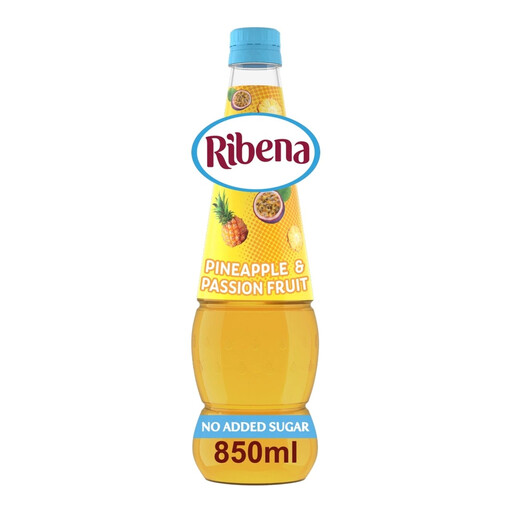 No image available
This pineapple and passion fruit concentrate offers another flavour for drinks mixed with sparkling water.
It is labelled no added sugar but still needs dilution. Check sugars for the prepared serving, along with the pack's sweetener and sulphite information.
 No image available
A summer-fruits concentrate for guests who prefer a fruit-blend flavour in a mixed sparkling drink.
Provide sparkling water and follow the bottle's dilution guidance. Check its sweeteners, sulphites and opened-storage instructions on the pack.
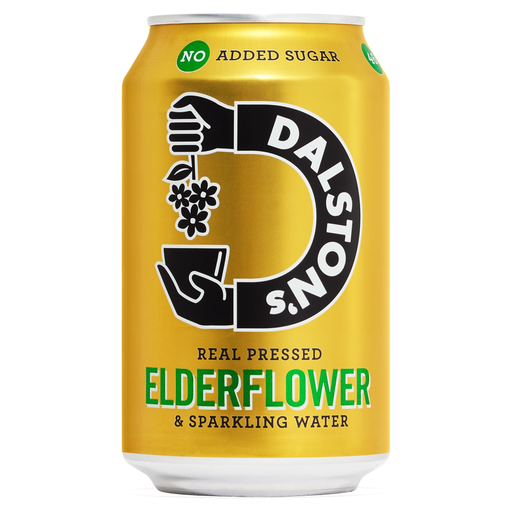 No image available
This ready-to-drink sparkling elderflower can suits a drinks table where guests can pour without mixing.
It is not squash or cordial, so it does not offer concentrate-style control over strength. Check the can's nutrition and storage instructions for the serve you plan.
Yes, if the concentrate is intended for dilution: use sparkling water and follow its bottle instructions. Marks & Spencer says its cordials can be diluted with sparkling water, while Waitrose suggests one part of its elderflower cordial to four parts water.
No. A ready-to-drink pressé is already sparkling, whereas squash or cordial is a concentrate you dilute yourself. The distinction matters if guests want to adjust the strength of individual glasses.
Compare sugars for the same volume of prepared drink. Waitrose lists less than 0.5g sugars per 250ml serving for its no-added-sugar lime cordial, 11.4g for its elderflower cordial and 12.2g for its ready-to-drink sparkling elderflower pressé; check the exact product and dilution you will use.
Read the ingredient and allergen statement on the exact pack before serving. The cited M&S elderflower cordial lists sulphites, and Waitrose's no-added-sugar lime cordial lists sodium metabisulphite and sucralose; a flavour name or no-added-sugar label does not settle either question.
Do not assume so: follow each bottle's instructions. Waitrose says to refrigerate its sparkling elderflower pressé after opening and consume it within three days, while its elderflower cordial has a one-month opened-life instruction.