Hosts offering fizzy refreshments
If visitors want a sparkling drink rather than exercise fuelling, distinguish carbonated glucose or energy drinks from isotonic products. Check the label for caffeine before deciding who to offer them to.


For a car boot sale, choose a sparkling drink when fizzy refreshment is the aim, but check its sugar and caffeine rather than treating it as an isotonic sports drink. An isotonic drink is the more relevant category for adults seeking a carbohydrate-and-electrolyte drink during prolonged endurance exercise; powder is an option only if you can provide water and mix each serving.
If visitors want a sparkling drink rather than exercise fuelling, distinguish carbonated glucose or energy drinks from isotonic products. Check the label for caffeine before deciding who to offer them to.
Adults doing prolonged endurance exercise may be looking specifically for a ready-to-drink product described as isotonic, with carbohydrates and electrolytes. Fizz alone does not identify that type of drink.
Selling drinks from a temporary stall calls for a different check from bringing them for personal use. If the activity is a food business, ask the relevant local authority about registration and keep the manufacturer’s product and allergen information available.
Choose when: Adult visitors want a fizzy drink rather than a product selected for endurance exercise.
Consider: Sparkling glucose and energy drinks may contain caffeine and sugars; check the particular label.
Choose when: Someone doing prolonged endurance exercise wants a bottled carbohydrate-and-electrolyte drink.
Consider: An isotonic description does not establish that the drink is sparkling.
Choose when: Carrying sachets and preparing drinks as needed works for the stall.
Consider: You will need water, containers and a way to mix each serving.
| Priority | What to check | Your needs |
|---|---|---|
| Fizz or exercise use | Look for ‘sparkling’ or carbonated water if fizz matters. For an exercise-specific choice, read the isotonic description and carbohydrate-and-electrolyte information. | I’m offering a fizzy drink for browsing, or I’m catering for someone who specifically wants a drink for prolonged endurance exercise. |
| Sugar and caffeine | Compare nutrition on the same per-100ml basis and check the ingredients for caffeine. Read any suitability warnings on the pack. | Children or people avoiding caffeine may be among the visitors; I want water available rather than making an energy drink the default. |
| Serving format | Check whether bottles or cans are ready to serve. For Gatorade UK sachets, the brand directs users to mix one sachet with 500ml water. | If I choose powder, I can bring measured water, containers and a clean way to prepare drinks at the stall. |
| Selling drinks | If you are operating a food business, check registration with the relevant local authority. Keep manufacturer labels and allergen information available. | I’m selling drinks from a temporary stall, not simply bringing refreshments for personal use. |
Sainsbury’s describes Lucozade Energy Orange as a sparkling glucose drink containing caffeine, while its Lucozade Sport Orange listing describes an isotonic carbohydrate-and-electrolyte drink for prolonged endurance exercise.
Choose by the particular product description and intended use, not the shared name.
The NHS advises that children avoid sugary fizzy drinks. Some sparkling energy drinks also list caffeine, so the product label matters when planning for a mixed-age crowd.
Make water readily available and check each fizzy drink’s ingredients and warnings before offering it.
Gatorade UK directs users to mix a sachet into 500ml water; a sachet alone is not a ready-to-serve drink.
Bring the water and suitable containers needed to prepare it, or choose sealed ready-to-drink products.
Food Standards Agency and GOV.UK guidance includes temporary stalls and vans within the scope of food-business registration where the activity is a food business.
Check the organiser’s conditions and ask the relevant local authority whether your planned sales require registration. Retain the manufacturer’s labelling and allergen information.
These examples describe particular drink ranges and formats; a brand name alone does not tell you whether a product is sparkling or isotonic.
The Orange drink is presented in Sainsbury’s listing as an isotonic carbohydrate-and-electrolyte option for prolonged endurance exercise.
The cited Orange product is a sparkling glucose drink, distinct from Lucozade Sport’s isotonic positioning.
The cited UK hydration-powder format is mixed with water rather than served as a ready-to-drink sparkling option.
Tesco lists Golden Mango and Berry & Tropical Fruits multipacks in its isotonic sports-drinks range.
These options include a carbonated isotonic drink, sparkling energy drinks and a bottled sports drink. Compare each one with the people you expect to serve; they are not interchangeable refreshments.
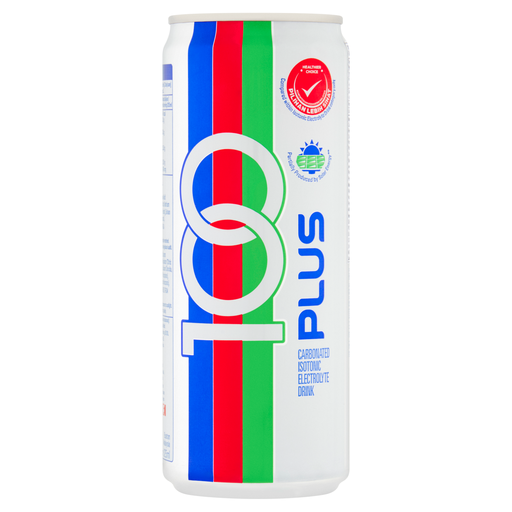 No image available
The 325ml carbonated isotonic format is worth considering when both fizz and an exercise-oriented drink matter. Check the current label’s sugar and caffeine information before choosing it for a mixed-age group.
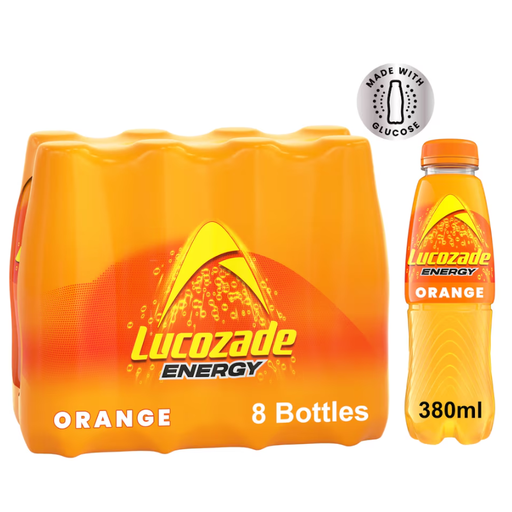 No image available
A sparkling glucose drink in eight 380ml bottles for an adult-focused fizzy-drink choice. The Joybuy product information lists caffeine; it is not presented as an isotonic sports drink.
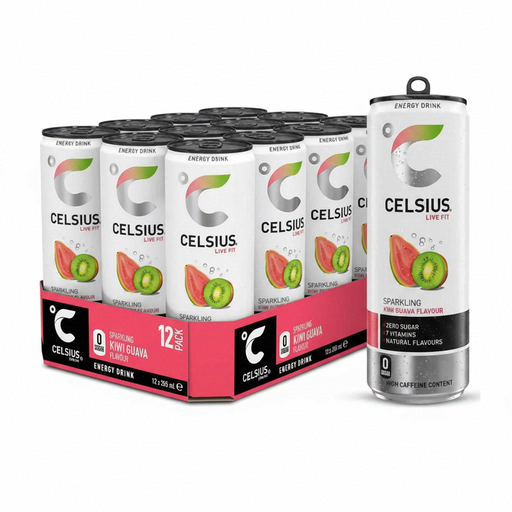 No image available
A canned fizzy-drink option for adults comparing energy drinks rather than isotonic products. Check the pack’s caffeine warning: the product information identifies restrictions for children, pregnant or breastfeeding women and people sensitive to caffeine.
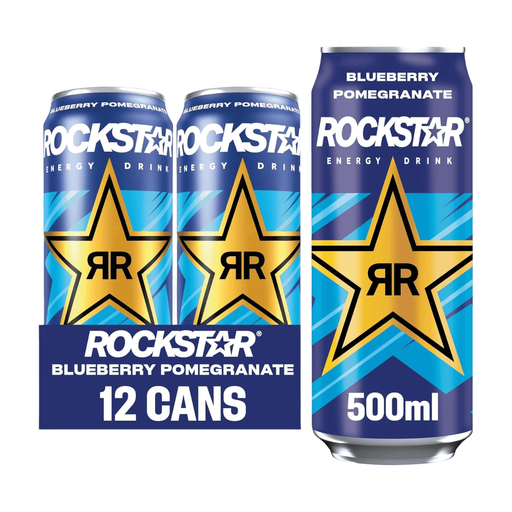 No image available
These 500ml cans fit an adult-focused fizzy energy-drink choice, not a request for an isotonic drink. Read the caffeine warning before serving: the product information advises against use by children, pregnant or breastfeeding women and people sensitive to caffeine.
 No image available
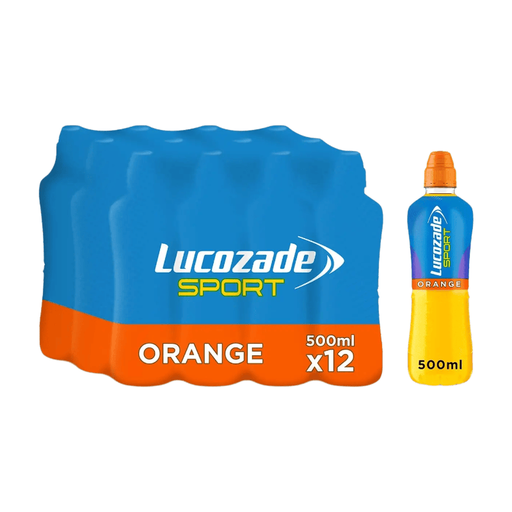
Twelve 500ml bottles for visitors seeking a sports-drink option rather than fizz as the deciding feature. Check the current label if carbonation or caffeine matters; the product information also identifies aspartame as a source of phenylalanine and says it is unsuitable for people with phenylketonuria.
No. Sainsbury’s describes Lucozade Energy Orange as a sparkling glucose drink containing caffeine and Lucozade Sport Orange as an isotonic carbohydrate-and-electrolyte drink for prolonged endurance exercise. Check the individual product rather than relying on the shared brand.
Make water available rather than treating a sugary fizzy or caffeinated energy drink as the default. The NHS advises that children avoid sugary fizzy drinks; check product labels before offering other options.
A temporary stall is not automatically outside food-business registration rules. Food Standards Agency and GOV.UK guidance includes stalls and vans where the activity is a food business; check with the relevant local authority whether your planned sales require registration, as well as checking the organiser’s conditions.
Food Standards Agency guidance requires retail and catering food businesses to provide allergen information for prepacked and non-prepacked food and drink. Keep sealed manufacturers’ packaging and its information available, and check the requirements before decanting or relabelling drinks.
They can be if you can provide water, containers and a clean preparation method. Gatorade UK directs users to mix one sachet into 500ml water; sealed ready-to-drink bottles avoid that mixing step.