Exercisers who prefer fizz
After a gym session, fitness class or short run, plain sparkling water is an option for replacing fluid if its taste makes water more appealing. The NHS suggests sparkling water for people who do not like plain water.


After an ordinary workout, plain sparkling water can replace fluid if you enjoy drinking it; fizz does not make it a complete recovery drink. For exercise lasting over two hours or involving heavy sweat loss, UK sports-hydration guidance says sodium should be replaced alongside fluid. Choose between plain and flavoured varieties by checking the ingredients, and pick a bottle size that suits where you will drink it.
The useful distinction is between replacing fluid after a routine session and planning for substantial sweat loss.
After a gym session, fitness class or short run, plain sparkling water is an option for replacing fluid if its taste makes water more appealing. The NHS suggests sparkling water for people who do not like plain water.
A sparkling drink can still provide fluid, but it should not be mistaken for a sodium-replacement plan. UK sports-hydration guidance advises including sodium when exercise lasts over two hours or sweat losses are high.
If you want fizz without choosing a regular sweet fizzy drink, read the ingredients and sugars information for the particular flavour. A flavoured product need not have the same composition as plain sparkling water.
Start with the demands of the workout, then check the drink’s composition and the pack you will use.
| Priority | What to check | Your needs |
|---|---|---|
| Fluid after a routine workout | Choose plain sparkling water if you want water with fizz. Check whether the bottle size is convenient where you finish exercising. | I would rather drink fizzy water than still water after a class or short run. |
| Long sessions or heavy sweating | Consider exercise duration, heat and sweat loss. UK sports-hydration guidance advises including sodium for exercise over two hours or high sweat losses; plain sparkling water is not a formulated electrolyte drink. | After a long or especially sweaty session, I need to plan for salts as well as fluid. |
| Flavour and ingredients | For flavoured varieties, read the ingredient list for sugars, juice, acids and sweeteners. Compare sugars per 100ml on the nutrition panel. | Fizzy flavour appeals to me, but I want to know what is in this particular drink. |
| Frequent fizzy drinking | Consider how often you sip carbonated drinks. The NHS associates their acidity with dental erosion, including when they contain no sugar. | If I keep a drink beside me throughout the day, I may prefer still water for some of that time. |
| Pack size and storage | Compare individual 500ml bottles with larger bottles or multipacks according to where you will drink them. Follow the chosen product’s directions after opening. | A small bottle fits my gym bag; a larger one may suit drinking at home. |
Plain sparkling water replaces fluid, but it is not formulated to provide sodium or recovery nutrition. This distinction matters particularly after prolonged exercise or heavy sweat loss.
For those sessions, plan how to replace both fluid and salts. UK sports-hydration guidance advises including sodium when exercise lasts over two hours or sweat losses are high.
The NHS associates carbonated drinks with dental erosion because of their acidity, regardless of sugar or sweetener content.
If you sip fizzy drinks frequently or have dental concerns, consider still water as an everyday alternative.
Flavoured sparkling drinks can contain sugars, juice, acids or sweeteners that are not ingredients of plain water.
Read the ingredient list and sugars per 100ml. People with phenylketonuria need to avoid products containing aspartame, also labelled E951.
These brand and retailer examples show different plain-water formats and label details; check the individual product rather than assuming every variety is alike.
Its sparkling spring-water range includes individual bottles and larger packs.
Its sparkling natural mineral water is offered in bottle and multipack formats.
Perrier offers carbonated mineral water, including an original variety.
Tesco British Natural Mineral Water Sparkling is a plain-water option in a 2L bottle.
Its sparkling spring-water range includes large bottles, multipacks and flavoured varieties.
Its Sparkling Scottish Mountain Water is offered in a 500ml bottle.
These plain sparkling-water multipacks offer individual 500ml bottles or larger 1L bottles for fluid replacement after ordinary workouts. For prolonged or heavy-sweat exercise, consider sodium replacement separately.
 No image available
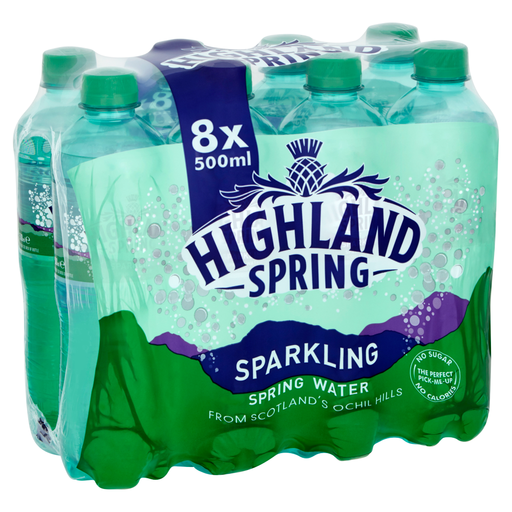
The individual 500ml bottles suit taking sparkling water to drink after an ordinary workout.
The product information includes a mineral analysis; check the label if particular mineral amounts matter to your choice. Plain sparkling water is not a formulated sodium-replacement drink.
 No image available
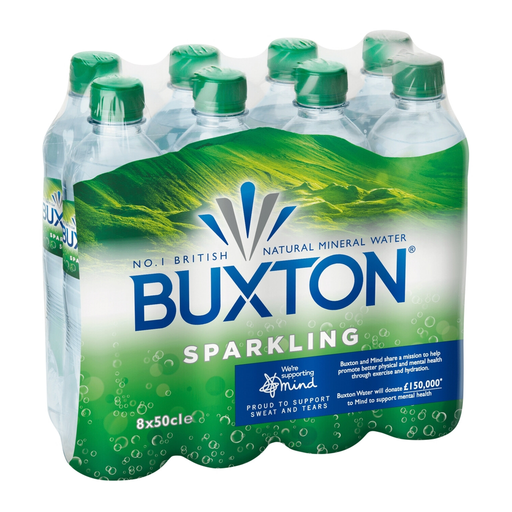
Eight individual 500ml bottles provide a portable plain-water option after a routine session.
The listed ingredients identify carbonated natural mineral water, and the nutrition entry states 0g sugars per 100ml. Check the label if you need particular mineral amounts.
 No image available
Six 1L bottles may suit drinking sparkling water at home after ordinary workouts.
The product information includes a mineral analysis and directions to refrigerate and use within seven days after opening. Its mineral content does not make it a formulated recovery drink.
 No image available
Six 1L bottles suit keeping plain sparkling water at home for drinking after routine sessions.
ASDA publishes a mineral analysis for San Pellegrino’s 1L sparkling natural mineral water. Follow the bottle’s directions for storage after opening; mineral content alone does not establish a sodium-replacement plan.
 No image available
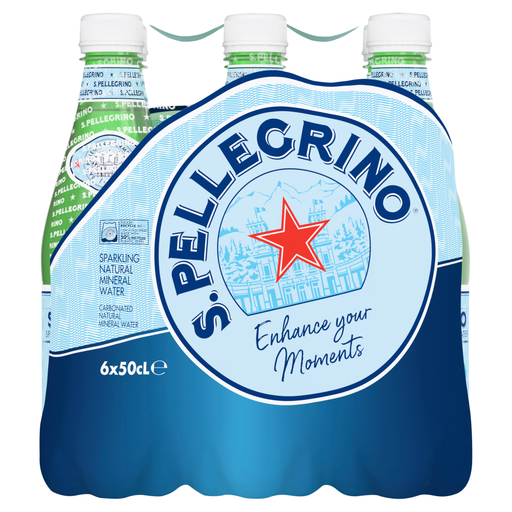
The six individual 500ml bottles suit taking plain sparkling water with you after an ordinary workout.
The listed ingredients are natural mineral water and carbon dioxide. If you are choosing by mineral composition or after-opening storage directions, check this bottle’s label rather than applying details from a different size.
Yes, plain sparkling water can replace fluid after an ordinary workout if you enjoy it. The NHS recommends water for replacing fluid lost through physical activity and suggests sparkling water for people who dislike plain water. A drink of plain water does not, by itself, provide recovery nutrition or a plan for substantial sweat-sodium loss.
Consider sodium replacement when exercise lasts over two hours or sweat losses are high, according to the cited UK sports-hydration guidance. Hot conditions also affect the choice: the British Heart Foundation advises considering drinks with electrolytes when exercising in heat. Do not assume a specialist drink is needed solely because you have exercised.
No. The NHS associates carbonated drinks with dental erosion due to acidity even when they contain no sugar. If you sip fizzy drinks frequently or have dental concerns, consider still water for some of your everyday drinking.
Check the ingredients for sugars, juice, acids and sweeteners, then compare sugars per 100ml on the nutrition panel. Do not assume a flavoured variety has the same composition as plain sparkling water; people with phenylketonuria also need to check for aspartame or E951.
Follow the storage directions on that bottle, including any instruction to refrigerate it and use it within a stated period. Check the particular product rather than assuming the same directions apply to every brand or bottle size.