After an ordinary gym session with modest fluid loss, choose plain sparkling water if you want fizz: the NHS recommends water for replacing fluid lost through activity and suggests sparkling water if you dislike still water. A no-added-sugar flavoured water offers another taste option, while tonic and sweetened botanical drinks are better treated as soft drinks; after demanding exercise or when another hard session follows soon, consider your food and fluid needs separately rather than relying on a mixer as a snack.
Who is this choice for?
Gym-goers who prefer fizz to still water
If you mainly want a drink after an ordinary session, sparkling water gives you a fizzy option without choosing a sweetened mixer. The NHS suggests sparkling water for people who dislike the taste of still water.
People planning a drink alongside food
After demanding training, or when another hard session is coming soon, consider what you will eat as well as drink. The Association for Nutrition and British Dietetic Association distinguish replacing fluid from refuelling with food.
Flavour-first shoppers comparing mixers
If tonic or a botanical drink appeals more than plain water, compare sugars per 100 ml. The figures for individual drinks differ, and a sparkling mixer should not be assumed to serve the same purpose as water.
What should you check?
Start with whether you want a drink for ordinary fluid replacement or a particular flavour, then check the label and decide whether you also need food after training.
| Priority |
What to check |
Your needs |
| Fluid replacement |
For an ordinary session with modest fluid loss, consider plain sparkling water. After substantial sweating, consider the wider food and fluid plan rather than judging a drink by its fizz. |
I want something fizzy to drink after training without choosing a sweetened soft drink. |
| Sugars and energy |
Compare sugars and energy per 100 ml, then check the bottle or can size. Sainsbury's lists less than 0.5 g sugars and 1 kcal per 100 ml for its no-added-sugar lemon-and-lime water; Fentimans lists 4.2 g sugars and 20 kcal per 100 ml for Gently Sparkling Elderflower. |
Flavour matters to me, but I want to know what is in the particular drink rather than assume all sparkling options are alike. |
| Ingredients |
Read the ingredient list for added sugar, sweeteners and flavourings. Sainsbury's lists sucralose in its no-added-sugar lemon-and-lime sparkling water; its plain sparkling spring water lists spring water and carbon dioxide. |
I would choose a flavoured drink, but I want to know how it is sweetened. |
| Food after training |
Consider the length and demands of the session and the time until you train again. The British Dietetic Association says prompt carbohydrate refuelling matters when quick recovery is required; the Association for Nutrition distinguishes rehydrating from refuelling and rebuilding. |
If another demanding session is close, I need to think about food as well as my drink. |
| Pack format |
Check the individual container size and the storage instructions for opened bottles. Tesco's Perthshire Sparkling Water listing specifies refrigeration after opening and use within three days. |
For a drink to take with me, I would choose a container size I expect to use; a large bottle makes more sense if I can store and finish it as directed. |
Common buying mistakes
-
Treating every fizzy drink as sparkling water
Plain water, flavoured water and tonic can have different ingredients. Sainsbury's plain sparkling spring water lists water and carbon dioxide, while Joybuy's listing for Fever-Tree Mediterranean Tonic Water gives 7.4 g sugars per 100 ml.
Compare the ingredient list and sugars per 100 ml for the exact product. If replacing fluid is your main aim, start with water rather than assuming a mixer has the same composition.
-
Using a mixer instead of food after demanding exercise
The cited Fentimans Gently Sparkling Elderflower and Fever-Tree Mediterranean Tonic Water products each list 0 g protein per 100 ml. A drink alone does not address every food need after a demanding session.
If quick recovery matters, plan food as well as fluid, taking account of the session and when you will train next.
-
Assuming no added sugar means no sugar or sweeteners
Sainsbury's no-added-sugar lemon-and-lime sparkling water lists less than 0.5 g sugars per 100 ml and contains sucralose.
Check both the nutrition panel and ingredients on the product you buy, particularly if a specific ingredient matters to you.
-
Choosing a large pack without checking storage
A large bottle may need to be finished soon after opening. Tesco's Perthshire Sparkling Water listing says to refrigerate opened bottles and use them within three days.
Choose a pack format that fits how you will use it, and follow the storage directions on the current label.
Brands and product ranges
These examples show why the type and label of a particular drink matter more than the brand name alone.
Sainsbury's
Its cited range includes plain sparkling spring water and a no-added-sugar lemon-and-lime sparkling water.
- The plain product lists spring water and carbon dioxide; the flavoured example lists 1 kcal and less than 0.5 g sugars per 100 ml.
- The flavoured example contains sucralose. Check the label of the product and pack you choose.
Tesco
Its Perthshire Sparkling Water is listed in a 4 × 2-litre pack.
- The listing describes carbonated Scottish natural water for a plain-water choice.
- Its opened-bottle instructions specify refrigeration and use within three days; check the current pack label.
Fever-Tree
Its range includes tonic water and sparkling soft drinks, so the exact variety matters.
- The range gives shoppers a tonic-style flavour option.
- Joybuy's listing for Mediterranean Tonic Water gives 7.4 g sugars and 30 kcal per 100 ml; do not apply Fever-Tree's general range claims to every drink.
Fentimans
Gently Sparkling Elderflower is a botanical-flavoured soft drink rather than plain sparkling water.
- Fentimans lists 4.2 g sugars and 20 kcal per 100 ml for this specific drink, allowing a per-100-ml comparison.
- The same product lists 0 g protein per 100 ml, so it does not replace food after a demanding session.
Britvic
Britvic's Great Britain portfolio includes 7UP Zero Sugar and Aqua Libra infused sparkling water.
- Its portfolio includes different types of flavoured fizzy drink.
- Compare the nutrition panel and ingredients of the exact UK product rather than treating those ranges as interchangeable.
Schweppes
Schweppes Slimline and Indian Tonic Water multipacks appear in the cited Joybuy range.
- The range offers tonic-style choices in small-can multipacks.
- Check sugars, sweeteners and serving size on the specific product; the word “Slimline” does not make a tonic a post-workout snack.
Sparkling options on Joybuy
These Joybuy options cover plain sparkling mineral water and flavoured fizzy soft drinks or tonic for the post-gym choice. Consider the water for a plain drink; compare the other options by the flavour and ingredients you want, without treating any of them as recovery food.
 No image available
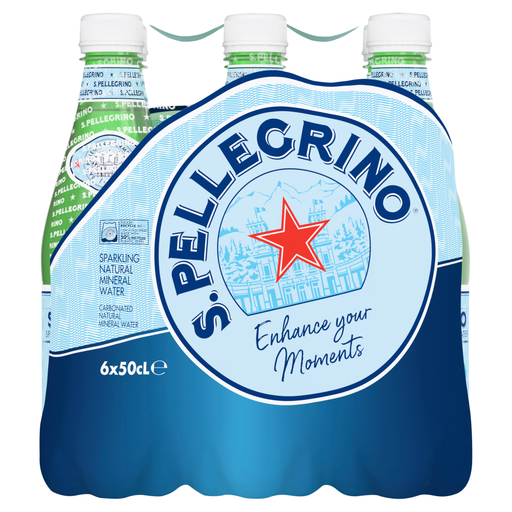
San Pellegrino Sparkling Natural Mineral Water, 6 × 0.5 L
A plain sparkling-water choice for an ordinary session when you prefer fizz. The pack contains six 0.5 L bottles; if you also need food after training, plan that separately.
View on Joybuy
 No image available
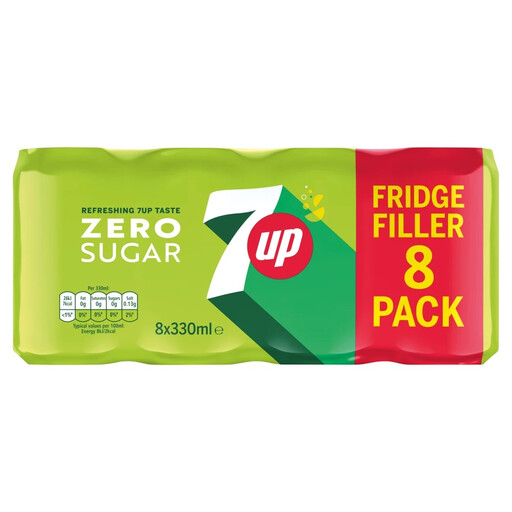
7UP Zero, 8 × 330 ml
A fizzy soft-drink option if you want a flavoured drink rather than plain sparkling water. The pack contains eight 330 ml cans; check the current label for ingredients and nutrition relevant to your choice.
View on Joybuy
 No image available
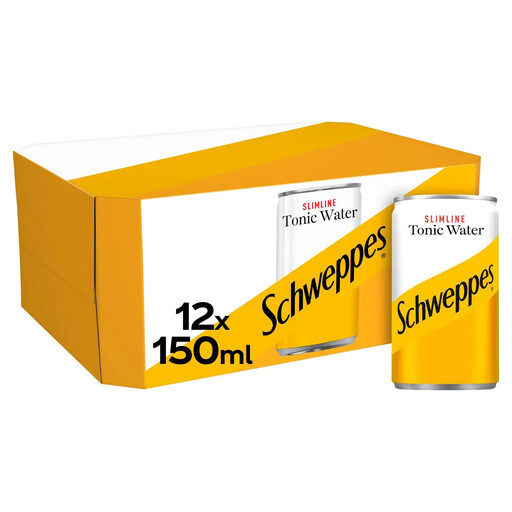
Schweppes Slimline Tonic Water, 12 × 150 ml
A tonic-style choice when that flavour appeals more than plain water. The pack contains twelve 150 ml cans; check the current label for sugars and ingredients, and consider food separately when refuelling matters.
View on Joybuy
Questions about post-gym sparkling drinks
Can I drink sparkling water after the gym?
Yes. For an ordinary session with modest fluid loss, sparkling water is an option if you prefer fizz. The NHS recommends water for replacing fluid lost through physical activity and suggests sparkling water for people who dislike still water.
Does a sparkling mixer count as a post-workout snack?
No, do not rely on a mixer in place of food when refuelling is needed. The cited Fentimans Gently Sparkling Elderflower and Fever-Tree Mediterranean Tonic Water products each list 0 g protein per 100 ml; recovery guidance from the Association for Nutrition treats drinking fluid and eating for recovery as separate considerations.
When should I think beyond an ordinary sparkling drink?
After substantial sweating or when another hard session follows soon, consider the demands of the exercise, your fluid losses and what you will eat. The British Dietetic Association says prompt carbohydrate refuelling matters when quick recovery is required; a standard mixer should not be assumed to meet those wider needs.
Is no-added-sugar sparkling water necessarily sugar free?
No. Check the nutrition panel and ingredient list: Sainsbury's no-added-sugar lemon-and-lime sparkling water lists less than 0.5 g sugars per 100 ml and contains sucralose. Check the specific product and serving size you are buying.


