
24/7 Customer Support

Free returns

Same-day & Next-day Delivery

Quality Guaranteed

Unlock Your Welcome Offers: FREE Delivery | Up to 80% OFF | Free 30-day JoyPlus trial
Download the APP
Sparkling water is a practical alternative to sugary fizzy drinks, whether you want a chilled drink with lunch, a mixer for cocktails or a convenient multipack for the office. However, attractive packaging and phrases such as “natural”, “premium” and “zero sugar” do not always tell you everything needed to make a sensible purchase.
Before choosing canned sparkling water, sparkling spring water or flavoured sparkling water, check the details that affect taste, value and everyday convenience.
“Sparkling water” is a broad description. A product may be made with spring water, natural mineral water or treated drinking water, with carbon dioxide added to create the fizz.
Natural mineral water comes from a recognised underground source and has a consistent mineral composition. Sparkling spring water comes from a spring source, but its mineral profile can differ considerably between products. If mineral content matters to you, check the label rather than relying on front-of-pack imagery.
Fruit imagery does not necessarily mean a drink contains fruit juice, and “light” branding does not automatically mean zero calories. Review the ingredients and nutrition panel for sugars, sweeteners, fruit extracts and flavourings.
In the UK, a “sugar-free” nutrition claim generally relates to no more than 0.5g of sugars per 100ml. Still, check the product’s current packaging, as recipes and labelling can change. Some zero-calorie fizzy drinks use sweeteners such as sucralose, erythritol or acesulfame potassium, which may suit some shoppers but not others.
A small can works well for a packed lunch or event drinks table, while a 1-litre bottle is more suitable for sharing at mealtimes. Multipacks can reduce the number of shopping trips, but they need sufficient cupboard or fridge space and may not offer good value if you are still trying a flavour.
Also consider how quickly the carbonation will be used after opening. A resealable can or smaller serving can help limit waste when one bottle is unlikely to be finished at once.
If you prefer a clean, lightly mineralised taste, look for the mineral composition or dry residue information. Highland Spring Sparkling Spring Water lists calcium at 40.5mg per litre and magnesium at 10.1mg per litre, with a pH at source of 7.8. By contrast, Icelandic Glacial Classic Sparkling Mineral Water lists exceptionally low mineral content, with a stated TDS of 62ppm.
These figures are not a quality ranking. They simply help you compare taste characteristics and choose between a crisp, low-mineral style and a more mineral-forward sparkling mineral water.
Plain sparkling water typically contains water and carbon dioxide. Flavoured options may add natural flavourings, fruit extracts, acids or sweeteners.
For a sugar-conscious choice, compare the nutrition panel per 100ml rather than only the serving size. Several products in the range list 0g sugar and 0 calories, including Icelandic Glacial Tarocco Blood Orange, Dash Water flavours and selected Chi Forest and Genki Forest drinks. J2O Sparkling Apple & Raspberry is a different type of carbonated soft drink: its listing shows 18kcal and 3.9g sugar per 100ml, so it should not be treated as plain or sugar-free sparkling water.
330ml cans are convenient for individual servings and entertaining. 500ml formats suit commutes, picnics and longer periods away from home. Larger 1-litre bottles are practical for family meals but should be refrigerated after opening and consumed according to the package instructions.
For sustainability-conscious shoppers, check the material and the exact recycling guidance. Aluminium cans are widely recyclable, while recycled PET bottles can also reduce the use of new plastic. Packaging claims should be read alongside local recycling arrangements in your area.

Why This Fits Their Persona: The six 1-litre bottles provide a straightforward household supply for family meals, shared workspaces or regular at-home drinking.
The pack clearly states its total volume and mineral composition, making it easier to compare value than a small, heavily marketed single can.
Six 1-litre bottles; listed calcium, magnesium and bicarbonate values; suitable for serving with meals.
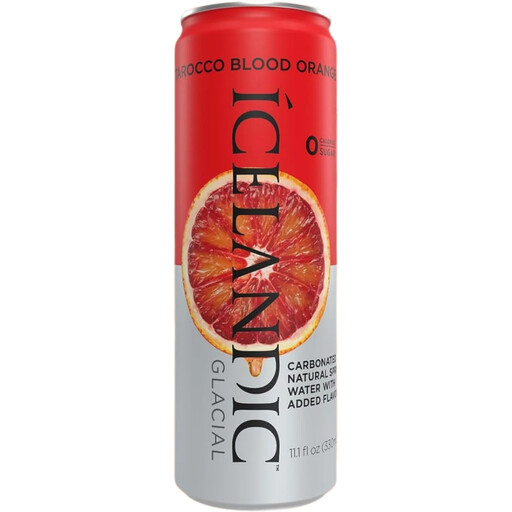
Why This Fits Their Persona: A 330ml can with Tarocco blood orange flavour offers a more distinctive option for dining, entertaining or mixing into cocktails.
Its listing identifies the ingredients and serving size, while the zero-calorie, zero-sugar and zero-sweetener format avoids uncertainty about added sweetness.
330ml aluminium can; natural flavours; 0kcal and 0g sugar per 100ml.
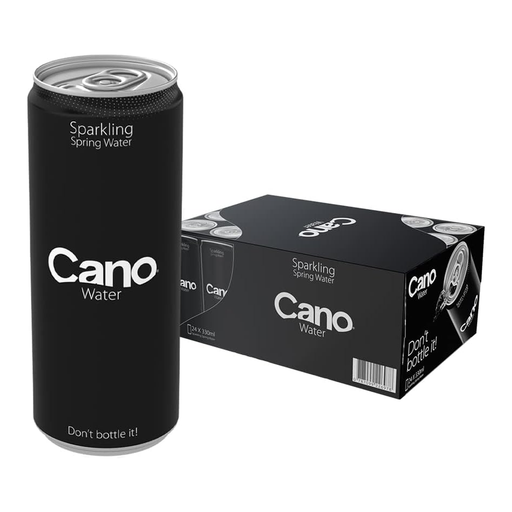
Why This Fits Their Persona: The 24-can case is designed for offices, parties, family stock cupboards and regular individual servings.
The 330ml serving size reduces the need to store opened bottles, while the UK spring source and ingredient list are stated clearly.
24 x 330ml cans; UK spring water; 0kcal, 0g sugar and 0g salt per 100ml.
We have compiled a complete, real-time list of products that fully satisfy these strict selection criteria and UK safety regulations.
Plain sparkling water contains water and carbon dioxide, while some flavoured options also contain sweeteners, acids or fruit extracts. Check the ingredients and nutrition panel before buying. A zero-sugar product may still have a sweetener-based flavour profile, so the right choice depends on your taste and dietary preferences.
Fizz gradually escapes after opening. Smaller cans are useful when you want one serving, while resealable formats can help preserve carbonation between drinks. For bottles, close the cap firmly and refrigerate after opening, following the storage instructions on the packaging.
It can offer a lower cost per serving, but compare the total volume rather than the number of cans. For example, compare a 24 x 330ml case with a 12 x 500ml pack by calculating the price per litre. Also factor in storage space, delivery costs and whether every serving will be consumed before the stated best-before date.