
24/7 Customer Support

Free returns

Same-day & Next-day Delivery

Quality Guaranteed

Unlock Your Welcome Offers: FREE Delivery | Up to 80% OFF | Free 30-day JoyPlus trial
Download the APP
The shelves, both physical and digital, are overflowing with fizzy drinks. From simple sparkling water to complex botanical tonics, the choice can be overwhelming. While many promise refreshment and health benefits, not all deliver. As a Product Recommendation Officer at Joybuy, my role is to help you see past the marketing jargon and make choices that are right for your taste, your health and your wallet.
Many of us have been caught out by a few common purchasing traps. A "naturally flavoured" drink might sound wholesome but can hide unwanted additives. A multipack might seem like a bargain but offers poor value per litre. Before you add that next case to your basket, let's look at the key pitfalls to avoid.
To ensure you're getting a product that meets your expectations, focus on a few key details beyond the front-of-pack claims.
The world of sugar free soft drinks is dominated by sweeteners, but they are not all created equal.
Understanding which sweetener is used will give you the best indication of the final taste profile.
The foundation of any sparkling drink is the water itself. The source can significantly impact the final taste and mouthfeel. Carbonated spring or mineral water often has a cleaner, crisper profile due to its natural mineral content. This is particularly important when selecting gin mixers or tonic water, as a neutral, high-quality base allows the delicate botanicals in both the spirit and the mixer to shine through.
To avoid the multipack trap, a quick calculation can reveal the true value. Simply divide the total price of the pack by the total volume in litres. For example, a 24-pack of 330ml cans contains 7.92 litres (24 x 0.33L). If the pack costs ?15, the price per litre is approximately ?1.89. Comparing this figure across different products and pack sizes is the most reliable way to find a genuine bargain.
Based on these practical criteria, here are a few options tailored to different needs and preferences.
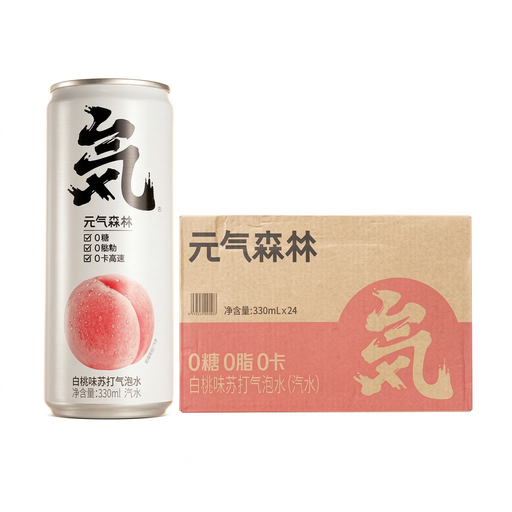
Why This Fits Their Persona: This is ideal for someone seeking a guilt-free, flavourful alternative to plain water or sugary sodas for daily consumption. The bulk 24-pack is convenient for stocking the fridge at home or the office.
It directly counters the sweetener aftertaste pitfall by using Erythritol, which provides sweetness without the lingering chemical taste of artificial alternatives.
Zero sugar, zero calories and a crisp white peach flavour make it a genuinely refreshing and health-conscious choice for daily hydration.

Why This Fits Their Persona: For the G&T aficionado who has invested in a quality gin, the mixer is just as important. This Fever-Tree tonic is crafted to enhance, not mask, the botanicals in premium spirits.
It sidesteps the "natural flavouring" ambiguity by being transparent about its key ingredients: carbonated spring water and natural quinine from specific sources.
A clean, crisp and balanced bitterness that complements a wide range of gins. It contains no artificial sweeteners, ensuring a pure taste.
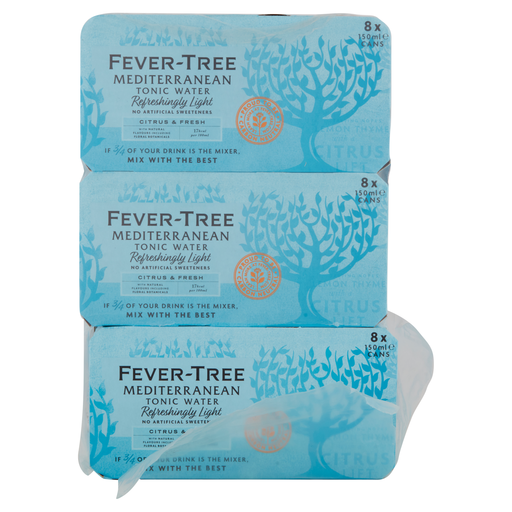
Why This Fits Their Persona: Perfect for entertaining, this tonic offers a premium, lighter experience. It pairs beautifully with citrus and herbaceous gins and its lower calorie count appeals to health-conscious guests.
This low calorie mixer achieves its profile by using natural fruit sugar, not artificial sweeteners. This provides a clean finish and avoids the chemical aftertaste trap entirely.
It has 43% fewer calories than the brand's standard tonic but maintains a complex flavour with essential oils from Mediterranean botanicals.
We have compiled a complete, real-time list of products that fully satisfy these strict selection criteria and UK safety regulations.
The primary difference is the addition of quinine in tonic water. Sparkling water is simply water that has been carbonated and it may or may not have added flavours. Tonic water, on the other hand, must contain quinine, which gives it its characteristic bitter taste. It also typically contains a sweetener (sugar or a substitute) and other botanicals, making it a more complex mixer rather than a simple hydrating drink.
"Healthy" can be subjective, but sugar free soft drinks can be a useful part of a balanced diet, especially when used to replace high-sugar alternatives. The key is to read the ingredients. Options that use natural, non-artificial sweeteners like Erythritol or Stevia and avoid artificial colours and preservatives are generally considered a better choice for regular consumption. They provide hydration and flavour without the calories or sugar load of traditional soft drinks.
Once a bottle or can is opened, the carbonation begins to escape. For best results, a tightly sealed large bottle can retain a decent amount of fizz in the refrigerator for 24 to 48 hours. Smaller single-serve cans or bottles are designed for immediate consumption and will go flat much more quickly. To maximise fizziness, always reseal the cap tightly and store it upright in the coldest part of your fridge.