
24/7 Customer Support

Free returns

Same-day & Next-day Delivery

Quality Guaranteed

Unlock Your Welcome Offers: FREE Delivery | Up to 80% OFF | Free 30-day JoyPlus trial
Download the APP
Sparkling water can be a practical alternative to still water, sugary soft drinks or alcohol-based mixers. However, the shelf includes several different drink types, from plain sparkling spring water and sparkling mineral water to flavoured sparkling water, tonic water and zero sugar fizzy drinks. Choosing by attractive packaging alone can leave you with a flavour you do not enjoy, an unsuitable pack size or ingredients that do not match your preferences.
This guide explains the key details to check before buying, followed by our top recommendations for different UK lifestyles.
Tonic water is carbonated, but it is not simply sparkling water. It usually contains quinine, acidity regulators and a sweetener or sugar, creating a distinctive bitter taste. For example, Schweppes Slimline Tonic Water contains aspartame and a source of phenylalanine, despite providing 2 kcal and 0g sugar per 100ml.
Plain sparkling water generally contains water and carbon dioxide only. Flavoured versions may include natural flavourings, fruit extracts, acids or sweeteners. Check the ingredient list if you want a neutral drink for hydration rather than a mixer.
Zero sugar sparkling water may be sweetened with ingredients such as sucralose, steviol glycosides or erythritol, depending on the product. These are different from sugar and can produce a sweeter taste than unsweetened water. Some shoppers prefer this; others want only water, carbon dioxide and perhaps natural flavouring.
Read both the ingredients and nutrition panel. A drink can show 0g sugar while still containing sweeteners. Products containing aspartame must also carry the relevant phenylalanine statement, so label checking matters if you need to avoid it.
A sparkling water multipack can offer convenience, but pack numbers can be misleading. Six 330ml cans provide 1.98 litres, while 24 cans provide 7.92 litres. A 12-pack of 500ml resealable cans contains 6 litres.
Calculate the total volume and cost per litre before purchasing. Smaller sparkling water cans are convenient for lunchboxes, desks and portion control, while bottles or resealable cans may suit longer journeys.
For a straightforward, unsweetened drink, look for a short ingredient list such as natural spring water and carbon dioxide. Cano Water Sparkling Ring Pull, for example, lists those two ingredients and provides 0 kcal and 0g sugar per 100ml.
Flavoured sparkling water can add variety without the sugar content found in many conventional soft drinks. Dash raspberry and grapefruit options list natural flavourings, fruit extracts and citric acid, with 0g sugar per 100ml. Their energy values are listed as 1–2 kcal per 100ml, so check the exact flavour rather than assuming every product has identical nutrition.
For a sweeter drink, compare the type of sweetener and the serving size. Some zero sugar products list 0 kcal per 100ml, but taste and ingredient preferences vary.
The terms sparkling spring water and sparkling mineral water describe different product categories and should not be treated as interchangeable. Mineral water has a declared mineral composition, which can influence flavour. Highland Spring Sparkling Spring Water lists minerals including bicarbonate, calcium, magnesium and sodium per litre.
Some sparkling mineral water products have a lighter mineral profile and a cleaner, less pronounced taste. Icelandic Glacial Classic Sparkling Mineral Water, for instance, lists a salt value of 0.007g per 100ml. If mineral taste is important to you, examine the label rather than relying on descriptions such as “pure” or “premium”.
Canned sparkling water is useful for single servings and storage at work or home. Aluminium cans are widely recyclable where local facilities accept them, but recycling outcomes depend on collection systems and proper disposal. The packaging should not be damaged, swollen or leaking.
A 330ml can is suitable for a short refreshment or mixer. A 500ml resealable can is more practical if you want to sip gradually. Plastic bottles can be easier to reseal, while cans may chill quickly and avoid the need for a screw cap. Consider how you will transport, store and recycle the pack before buying.
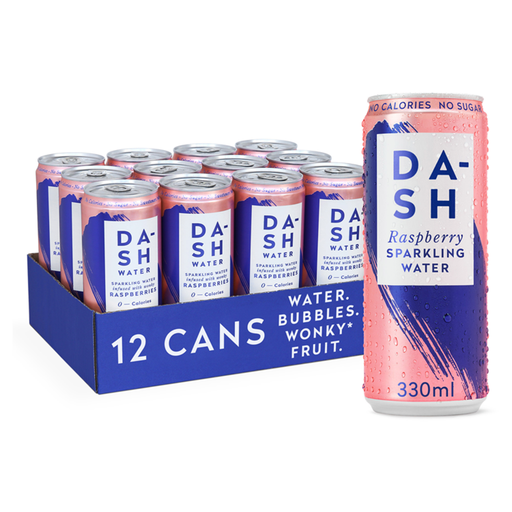
Why This Fits Their Persona: A 12-pack of 330ml cans offers flavoured refreshment for desks, packed lunches and casual home use without committing to a large case.
The listed nutrition shows 0g sugar per 100ml, while the ingredients identify natural flavourings and raspberry extract rather than sweeteners.
330ml cans are easy to portion; the product lists 1 kcal per 100ml and no sweeteners.
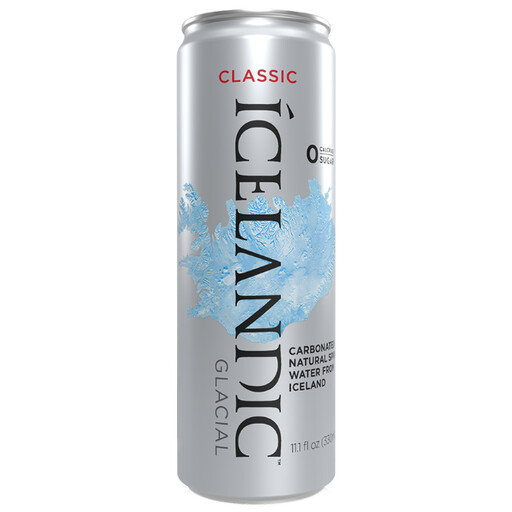
Why This Fits Their Persona: Suitable for shoppers who prefer plain sparkling mineral water with a compact can format for meals, entertaining or a chilled drink at home.
It is clearly positioned as a plain mineral water, so there is no fruit flavouring, sugar or sweetener to confuse the choice.
The 330ml aluminium can contains natural spring water and carbon dioxide; nutrition lists 0 kcal per 100ml.
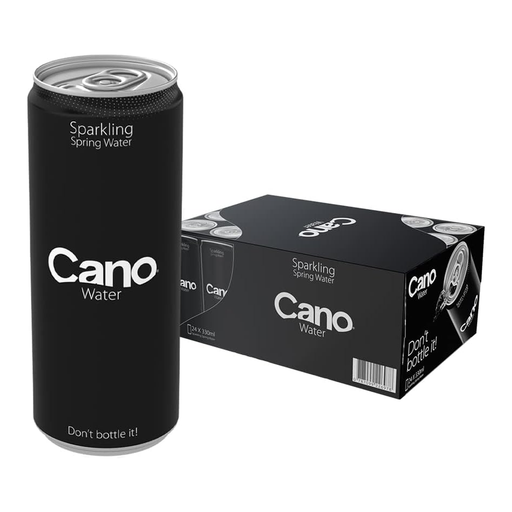
Why This Fits Their Persona: The 24-can case suits households, offices, events and shoppers who want a regular supply of plain sparkling water.
The total quantity is stated clearly as 7.92 litres, helping you compare the case with smaller sparkling water bottles and multipacks.
UK spring sourced; aluminium cans; 0 kcal and 0g sugar per 100ml.
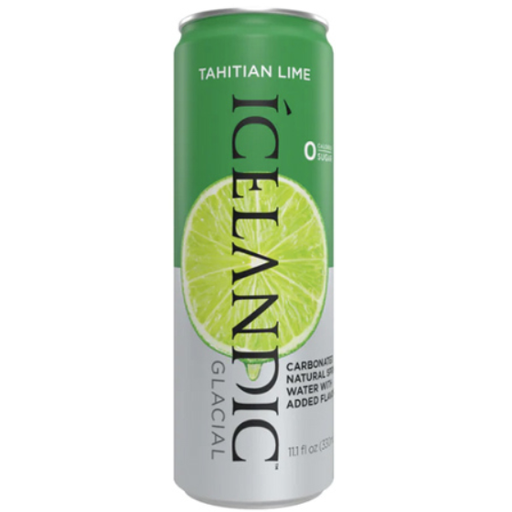
Why This Fits Their Persona: A citrus-led option for shoppers who want flavoured sparkling water with meals, mocktails or cocktails.
The ingredient list identifies natural Tahitian lime flavour and citric acid, while the nutrition panel lists 0g sugar and 0 kcal per 100ml.
330ml can format; no sugar listed; suitable as a standalone drink or mixer.
We have compiled a complete, real-time list of products that fully satisfy these strict selection criteria and UK safety regulations.
Plain sparkling water contributes fluid like still water, making it a convenient option for meals, work or travel. Some people find carbonation filling or prefer still water during exercise. Choose according to personal tolerance and remember that flavoured drinks, tonic water and sweetened soft drinks are separate products.
A multipack can reduce the cost per can, but not automatically the cost per litre. Compare the pack price with its total volume and consider whether you will use every can before the best-before date. Large cases are more suitable for households, offices and regular drinkers.
Plain sparkling water usually has minimal ingredients and no added flavour. Sugar-free fizzy drinks may contain flavourings, acids, colourings and sweeteners, even when their sugar and calorie values are low. Check the full ingredients list to find the option that matches your taste and preferences.