Post-ride and commuter cyclists who prefer fizz
If you want a portioned drink for the fridge or workplace, plain or no-sugar sparkling water is an option when you are not relying on that drink for ride fuel.


Choose sparkling-water cans when you want a fizzy drink at home, at work or after a ride, not as your only plan for a long or demanding cycle. Plain and no-sugar options do not provide the carbohydrate for fuelling, while the Health and Safety Executive’s workplace heat guidance favours frequent cool water over carbonated drinks and notes that heavy sweating can involve salt loss.
Cans make most sense when the drink is for a stop, a commute or after cycling rather than repeated sips on the bike.
If you want a portioned drink for the fridge or workplace, plain or no-sugar sparkling water is an option when you are not relying on that drink for ride fuel.
A canned drink and an on-bike drinking plan serve different purposes. For demanding activity, consider how you will drink regularly and account for substantial sweat loss; the Health and Safety Executive notes the potential for salt loss in its workplace heat guidance.
DASH Raspberry offers a fruit-flavoured canned option listed with no sugar or sweeteners. Check the exact flavour, ingredients and pack size, as flavoured sparkling drinks are not all formulated alike.
Decide when you will drink it, then check the can’s composition and whether its pack format suits that occasion.
Choose it when: You want fizz without fruit flavour at home, at work or after a ride.
Bear in mind: Aqua Libra’s plain product lists 0 g sugar and 0 g salt per 100 ml, so it is not a carbohydrate or salt-replacement drink.
Choose it when: You prefer fruit flavour in a drink for a stop or after cycling; DASH lists Raspberry in canned multipacks.
Bear in mind: DASH Raspberry lists 0 g sugars per 100 ml; its flavour does not make it a source of cycling fuel.
Choose it when: You need a bottle or other refillable setup for drinking regularly during a demanding ride.
Bear in mind: Still water does not itself address carbohydrate needs or substantial salt loss; plan those separately where relevant.
| Priority | What to check | Your needs |
|---|---|---|
| On-bike drinking | Consider how often you need to drink and whether the container can be carried and closed between sips. The Health and Safety Executive favours frequent cool water over carbonated drinks in workplace heat conditions. | For a hot or prolonged ride, I want a practical way to drink regularly, rather than depending on an opened can. |
| Drink composition | Read sugars, carbohydrate and salt on the label for the exact drink. Aqua Libra’s plain sparkling water lists 0 g sugar and 0 g salt per 100 ml; Tesco lists 0 g sugars and 0 g salt per 100 ml for DASH Raspberry. | If I need food or a drink to supply carbohydrate during cycling, I will plan for that separately from these sparkling waters. |
| Flavour and ingredients | Check whether the product is plain water, fruit-infused water or a fruit sparkling drink. Sanpellegrino says its Zero Added Sugar range contains naturally occurring sugar despite having no added sugar. | I may want fruit flavour without sugar or sweeteners, or I may prefer plain sparkling water; the exact ingredients matter more than the shelf label. |
| Pack and closure | Check can volume, can count, storage space and the closure. Tesco lists DASH Raspberry as 4 × 330 ml; DASH also lists a 12-can option. | For a fridge or workplace, I want a pack I can store and use. For drinking throughout a ride, I need to know whether the container closes again. |
Aqua Libra’s plain sparkling water and DASH Raspberry both list 0 g sugars per 100 ml. Drinking them does not supply carbohydrate for sustained cycling.
Choose the can for the occasion you enjoy it, and plan ride food or a suitable drink separately when you need carbohydrate.
The Health and Safety Executive recommends frequent cool water rather than carbonated drinks in its workplace heat guidance and notes that substantial sweating can also involve salt loss.
For a demanding ride, arrange a practical way to drink regularly and consider your conditions and sweat loss rather than relying on cans alone.
Tesco lists fruit extract, flavourings and citric acid in DASH Raspberry. Sanpellegrino describes its Zero Added Sugar range as fruit sparkling drinks containing naturally occurring sugar.
Read the ingredient and nutrition panels for the particular flavour before choosing between plain water, fruit-infused water and a fruit drink.
A case can stock a fridge, but pack size does not establish that its cans are convenient for drinking repeatedly during a ride.
Check can count, storage space and closure, and decide separately what you will carry on the bike.
These brand examples illustrate different canned drinks; their ingredients and pack formats are not interchangeable.
A plain sparkling-water option for stocking at home: Aqua Libra lists 24- and 48-can packs.
Fruit-infused sparkling water, with Raspberry listed by Tesco in a 4 × 330 ml pack and by DASH in a 12-can option.
A fruit sparkling-drink alternative: Tesco lists Zero Lemon and Zero Peach & Clementine in 6 × 330 ml cans.
These canned sparkling-water packs suit comparing a larger resealable format with a raspberry-flavoured option for home, work or after a ride. Neither replaces a plan for drinking and fuelling during demanding cycling.
 No image available
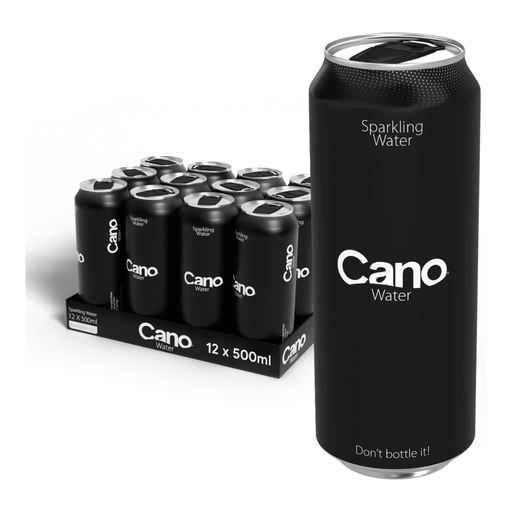
A 12-can sparkling-water pack for keeping at home or work. The product name describes the 500 ml cans as resealable; check the closure if you intend to carry an opened can.
 No image available
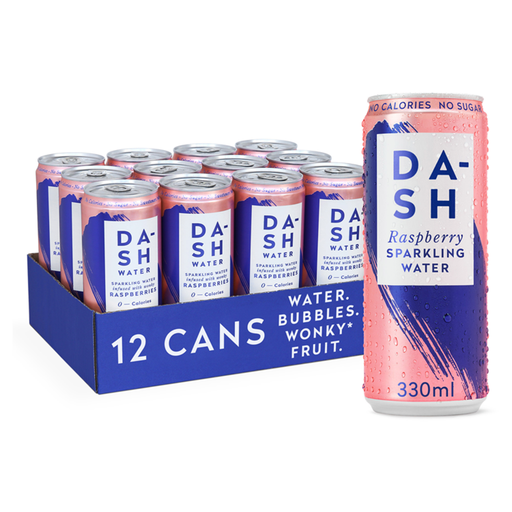
A raspberry-infused 12-can pack for a flavoured drink at home or after cycling. DASH describes its Raspberry sparkling water as containing no sugar or sweeteners; it is not a substitute for ride fuel. Check the current can’s nutrition panel if its exact energy value matters to you.
Do not rely on a no-sugar sparkling-water can as your entire fluid and fuel plan for a long or demanding ride. Aqua Libra’s plain water and DASH Raspberry list 0 g sugars per 100 ml; the Health and Safety Executive’s workplace heat guidance recommends frequent cool water over carbonated drinks and notes that substantial sweating can involve salt loss.
A can is generally easier to use at a stop, at work or after a ride than for repeated drinking while cycling. For drinking regularly on the bike, check whether you need a refillable, closable container; if a product is described as resealable, confirm its closure before relying on it.
Check the exact flavour’s ingredients, sugars, sweeteners, salt and can size. Tesco lists raspberry extract, flavourings and citric acid in DASH Raspberry, while Sanpellegrino says its Zero Added Sugar fruit drinks contain naturally occurring sugar.
No single drink choice fits every ride: consider its duration, conditions and what you can eat and carry. The Health and Safety Executive recommends frequent cool water in workplace heat conditions and notes that substantial sweat loss may also involve salt loss; a no-sugar sparkling water does not provide carbohydrate for fuelling.