Short-ride cyclists who prefer fizz
If you tolerate carbonation, plain sparkling water can be a fluid option for a ride of up to about 90 minutes. British Cycling says rides of this length generally do not require additional fuel.


Choose plain sparkling water for fluid intake on shorter rides if you find carbonation comfortable; it is not a substitute for ride fuel. For rides over about 90 minutes, British Cycling advises eating from the start, while Australian Institute of Sport guidance distinguishes sports drinks by their carbohydrate and sodium content. Plan food and drink around those needs rather than relying on sparkling water alone.
The useful distinction is whether you want a drink for fluid intake or also need carbohydrate during the ride.
If you tolerate carbonation, plain sparkling water can be a fluid option for a ride of up to about 90 minutes. British Cycling says rides of this length generally do not require additional fuel.
For rides over about 90 minutes, plan what you will eat as well as drink. British Cycling advises eating from the start of these rides; sparkling water alone does not provide that carbohydrate.
Try the exact drink during an ordinary training ride before depending on it for an event. A small study of eight male cyclists did not find a significant overall comfort effect from carbonation, but it cannot predict how you will feel.
Choose it when: You want fluid for everyday use or a shorter ride and find bubbles comfortable.
Bear in mind: It does not take the place of carbohydrate intake on a longer ride.
Choose this approach when: You need to plan fluid and carbohydrate for a ride lasting over about 90 minutes, as British Cycling advises.
Bear in mind: A sports drink adds carbohydrate and sodium; check its label and how it fits with the food you plan to carry.
| Priority | What to check | Your needs |
|---|---|---|
| Drink contents | Read the exact product name and ingredients. For a flavoured drink, check carbohydrate and sugars per 100 mL rather than assuming it has the same contents as plain sparkling water. | I want a fizzy drink without added sugar, so the ingredients and nutrition panel matter more to me than the flavour name. |
| Ride fuelling | For rides over about 90 minutes, British Cycling advises eating from the start. The Australian Institute of Sport describes typical sports drinks as containing 4–8 g carbohydrate and 23–69 mg sodium per 100 mL; compare the label if you are choosing a drink for fuelling. | On a longer ride, I need a plan for carbohydrate as well as fluid. Plain sparkling water cannot do both jobs on its own. |
| Comfort with fizz | Trial the exact drink during training at the intensity at which you intend to use it. Do not assume a small study's overall finding predicts individual comfort. | If bubbles feel uncomfortable while I ride, I would rather use a drink I have already tried. |
| Bottle format | Check the volume, closure and whether you intend to store it at home or carry a separate cycling bottle. A household multipack does not establish that its containers suit your bike. | A larger pack may work for home use, while the drink I carry needs a container that fits my riding set-up. |
Plain sparkling water contributes fluid but does not provide the carbohydrate called for in British Cycling's guidance for rides over about 90 minutes.
Plan food and drink for the ride separately. If you choose a sports drink, check its carbohydrate and sodium values against what you intend to consume.
Flavoured products can have different ingredients and nutrition values. Volvic, for example, describes Touch of Strawberry Sparkling as a flavoured spring-water drink with sweeteners.
Check the ingredient list and per-100 mL carbohydrate and sugar figures for the exact product you are buying.
Pack volume tells you how much water you are buying, not whether an individual container fits or works with your bike.
Decide whether the pack is for home use or for a ride, then check the container and closure you will actually carry.
A controlled study of eight male cyclists found no significant overall change in perceived stomach comfort with carbonation, but that finding cannot establish your own tolerance.
Try the drink during training. If it feels uncomfortable, use a still drink you tolerate instead.
These product lines and retailer listings illustrate different sparkling-water formats; they are not a ranking or a statement about current Joybuy availability.
Highland Spring lists plain sparkling spring water in 500 mL, 1.5 L and 6 × 1 L formats.
Buxton's sparkling natural mineral water is a plain-water option; check the individual pack size for your intended use.
evian lists a 1 L sparkling natural mineral water for shoppers considering a larger individual bottle.
Volvic Touch of Strawberry Sparkling is a flavoured spring-water drink with sweeteners, rather than plain mineral water.
Tesco lists own-label sparkling natural mineral water in household formats alongside branded products.
Sainsbury's is a retailer reference here: its listing identifies Highland Spring Sparkling Water 1.5 L as carbonated spring water.
These Joybuy options are sparkling waters in individual-size bottles or cans and larger packs for home use. Choose the format for where you will drink it, and plan ride fuel separately when needed.
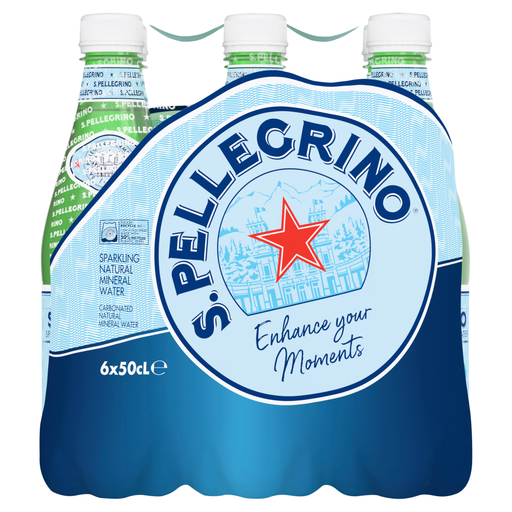 No image available
The six 0.5 L bottles offer individual portions if you prefer sparkling water for fluid intake. For a ride needing carbohydrate, plan another source of fuel.
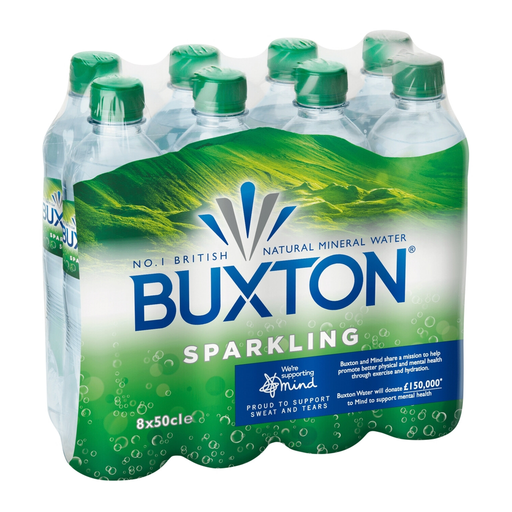 No image available
This eight-bottle pack provides 500 mL portions for someone choosing sparkling water rather than a ride-fuelling drink. Try carbonation during training before relying on it while cycling.
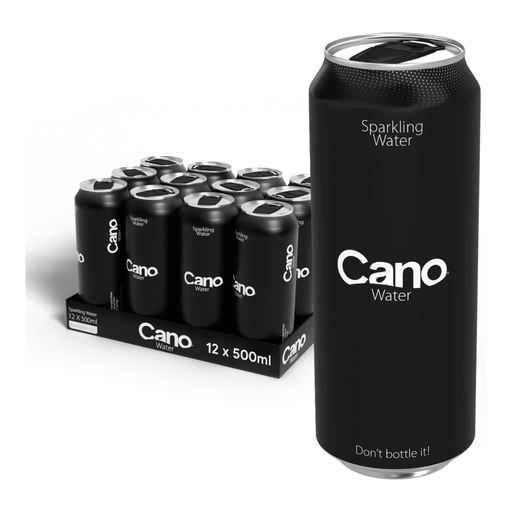 No image available
The twelve resealable 500 mL cans provide individual portions. If you intend to take one cycling, check whether the can and its closure suit how you carry drinks on your bike.
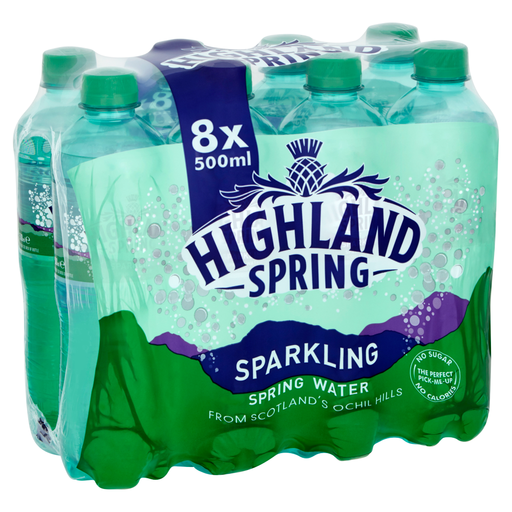 No image available
Eight 500 mL bottles offer individual portions of sparkling spring water. Check the exact pack label if carbohydrate or sugar values affect your choice, and arrange fuel separately for a longer ride.
 No image available
The six 1 L bottles are a larger format for home use or filling a separate bottle. Check the exact pack label if carbohydrate or sugar values matter, and use a suitable container if carrying water on the bike.
Not by itself if you need carbohydrate during the ride. British Cycling advises eating from the start of rides over about 90 minutes, and the Australian Institute of Sport describes sports drinks as providing fluid, carbohydrate and sodium. Plan food and drink accordingly.
Yes, if you find it comfortable to drink. NHS guidance suggests sparkling water for people who dislike still water, and British Cycling says rides up to about 90 minutes generally do not require additional fuel. Consider the riding conditions when deciding how much fluid to carry.
No universal reaction can be assumed. A controlled study of eight male cyclists found no significant overall change in perceived stomach comfort with carbonation, but it cannot predict your response. Test the exact drink during training rather than first using it at an event.
No. A mineral-water label can list sodium without establishing that the drink supplies carbohydrate for a long ride. For comparison of stated concentrations, the Australian Institute of Sport describes typical sports drinks as containing 23–69 mg sodium per 100 mL; evian lists 6.5 mg/L and Highland Spring lists 5.6 mg/L for their sparkling waters.
Check the exact product name, ingredients, carbohydrate and sugars per 100 mL, and pack size. This is particularly useful for flavoured drinks, whose ingredients can differ from plain sparkling water, and when deciding whether a container suits home use or a ride.