Plain sparkling water can be a drink around everyday cycling or a short session if you are comfortable with carbonation, but check the exact label before relying on it for a particular nutrition plan. For rides over 90 minutes, British Cycling advises 30–60 g of carbohydrate per hour; its indoor-cycling guidance also advises adding electrolytes to fluid, so plan fuel and electrolytes separately rather than treating plain sparkling water as complete ride nutrition.
Who might choose sparkling water?
Cyclists who prefer a fizzy drink around short rides
Plain sparkling water can be a drink for a commute or short indoor session if you like carbonation. British Cycling says most indoor sessions under an hour do not need additional fuel during the session, although hydration still matters.
Riders planning longer or demanding sessions
If a ride lasts over 90 minutes, account for fuel as well as fluid: British Cycling gives a rule of thumb of 30–60 g of carbohydrate per hour. Its indoor-cycling guidance also advises adding electrolytes to fluid.
Cyclists checking sugar and acidity
Plain and flavoured sparkling drinks can have different ingredients, so compare their labels rather than treating them as interchangeable. For frequent sipping, NHS oral-health guidance also cautions that many fizzy and sugar-free soft drinks are acidic and can cause tooth wear.
What should you check before a ride?
Start with the length and demands of the ride, then check what the exact drink contributes beyond fluid.
| Priority | What to check | Your needs |
|---|
| Plain or flavoured |
Read the ingredients and carbohydrate and sugars values per 100 ml on the exact drink. A flavoured name alone does not establish its contents. |
I want a fizzy drink without assuming that plain water, an unsweetened flavour and a sweetened flavour have the same nutrition. |
| Ride fuel |
For rides over 90 minutes, compare your planned carbohydrate intake with British Cycling’s 30–60 g per hour rule of thumb. Check the amount per bottle or serving, not just per 100 ml. |
On a longer ride, I need to plan fuel rather than count on plain sparkling water to provide it. |
| Electrolytes |
Check stated electrolyte amounts and serving size against your ride plan. British Cycling’s indoor-cycling guidance advises adding electrolytes to fluid; a mineral-water name alone does not describe an added-electrolyte drink. |
If conditions call for electrolyte planning, I want to know what the drink actually contains. |
| Acidity |
Consider how often you sip fizzy drinks. NHS oral-health guidance warns that many fizzy and sugar-free soft drinks can be acidic and advises against brushing straight after a soft drink. |
I tend to sip a drink throughout a ride, so acidity matters alongside its sugar content. |
| Carrying format |
Check the container size, pack quantity and whether the closure suits how you intend to carry and drink it. |
For a short ride or afterwards, a single portion may be more convenient than carrying a larger bottle. |
Common buying mistakes
-
Using plain sparkling water as the only nutrition on a long ride
British Cycling advises 30–60 g of carbohydrate per hour for rides over 90 minutes. Joybuy’s listed S.Pellegrino plain sparkling water reports 0 g carbohydrate per 100 ml, so that drink cannot supply ride fuel on its own.
Plan a carbohydrate source for a longer ride, whether in a suitable drink or separate food, and account for electrolytes when the riding conditions call for them.
-
Assuming mineral water is an electrolyte drink
Highland Spring and Sainsbury’s publish mineral values for their sparkling waters, but those figures should not be mistaken for an added-electrolyte plan. British Cycling specifically advises adding electrolytes to fluid in its indoor-cycling guidance.
Compare the exact label and serving size with what you intend to take on the ride.
-
Treating all flavoured sparkling waters alike
Sanpellegrino describes its Essenza range as having no sugars or sweeteners, while M&S sells a sweetened sparkling flavoured water. Flavour alone tells you neither the sugar content nor whether a drink supplies ride fuel.
Read the ingredients and nutrition panel for the particular bottle or can.
-
Overlooking acidity when sipping frequently
NHS oral-health guidance says many fizzy, diet and sugar-free soft drinks can be acidic and cause tooth wear. Highland Spring reports a pH of 4–5 for its sparkling water.
Consider how often you sip fizzy drinks, and follow NHS advice not to brush straight after an acidic soft drink.
Sparkling-water brand references
San Pellegrino (S.Pellegrino)
The brand offers sparkling natural mineral water in PET and glass formats.
- Joybuy’s six-pack of 500 ml S.Pellegrino lists natural mineral water and carbon dioxide, with 0 g carbohydrate, sugars and salt per 100 ml.
- That plain-water product does not provide the carbohydrate British Cycling advises planning for rides over 90 minutes.
Perrier
Perrier offers carbonated mineral water in several container formats.
- Perrier describes its plain carbonated mineral water as containing no sugar and zero calories.
- Those claims do not make plain Perrier a carbohydrate drink for longer rides; check the exact product when choosing a format or flavour.
Highland Spring
Highland Spring lists sparkling water in 500 ml and larger bottle formats.
- Its published sparkling-water analysis includes sodium at 5.6 mg/L, and the range includes a 500 ml bottle.
- Do not use naturally occurring mineral figures alone as a substitute for an electrolyte plan suited to the ride.
Tesco
Tesco lists an own-label sparkling water in a six-pack of 500 ml bottles.
- The pack provides individually sized bottles for carrying or keeping ready after a ride.
- Check the current ingredients and nutrition label before using this particular product to make a sugar or ride-fuelling decision.
Sainsbury's
Sainsbury's lists British Bottled Sparkling Spring Water in a 12 × 500 ml pack.
- The listed ingredients are spring water and carbon dioxide; its mineral analysis states sodium at 8 mg/L.
- The published mineral values do not establish that it meets a rider’s carbohydrate or added-electrolyte plan.
M&S
M&S lists both plain sparkling natural mineral water and flavoured sparkling drinks.
- Its Collection Sparkling Natural Mineral Water is listed in a 750 ml bottle.
- M&S also lists a sweetened sparkling flavoured water and advises customers to read current labels, so check the exact drink rather than the range name.
Joybuy drink options
These options include sparkling waters for riders who prefer fizz around shorter sessions, plus a carbonated carbohydrate drink to consider when planning ride fuel. Check each drink’s label and how it fits your full ride plan.
 No image available
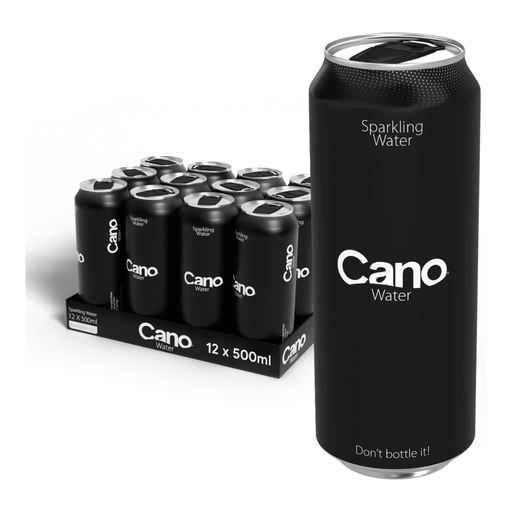
Cano Water Sparkling Resealable 12 × 500 ml
Twelve 500 ml resealable containers offer individual portions for a fizzy drink around a ride. Check the current nutrition label when fitting it into a sugar or fuelling plan.
 No image available
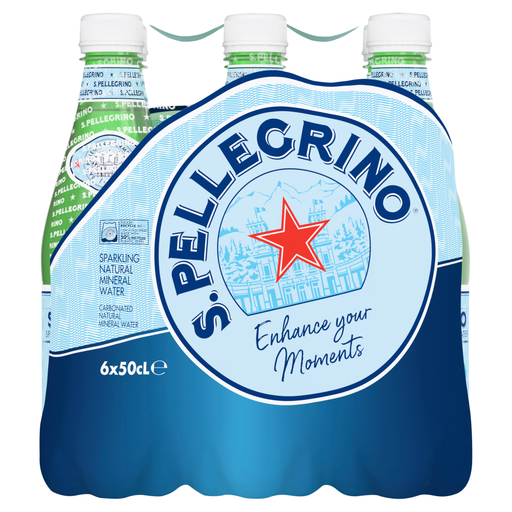
San Pellegrino Sparkling Natural Mineral Water 6 × 0.5 L
For a plain fizzy drink around a shorter session, this six-pack contains 500 ml bottles. Joybuy lists natural mineral water and carbon dioxide, with 0 g carbohydrate, sugars and salt per 100 ml; plan ride fuel separately when needed.
 No image available
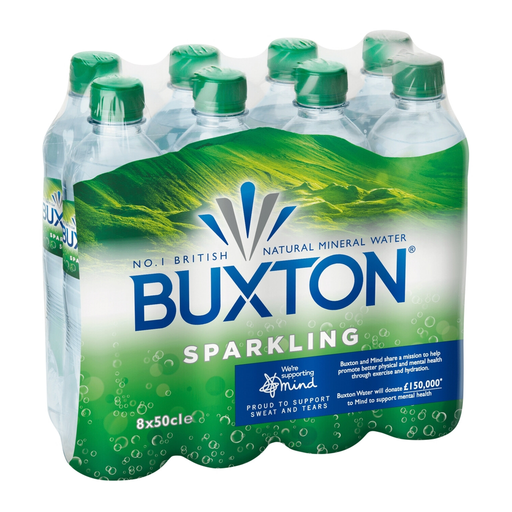
Buxton Sparkling 8 × 500 ml
Eight 500 ml bottles provide individual sparkling-water portions for use around a ride. Check the current nutrition label if carbohydrate or salt content affects your plan.
 No image available
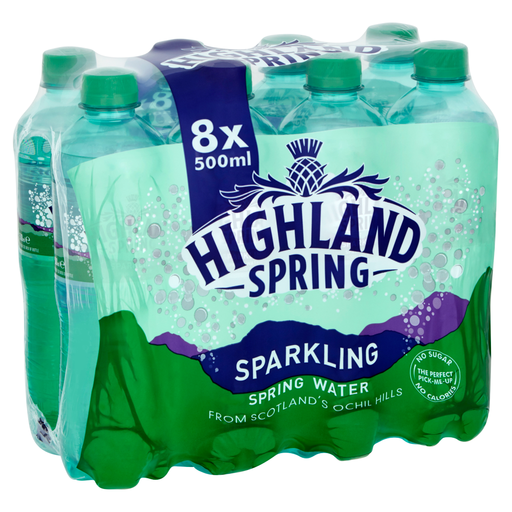
Highland Spring Sparkling Spring Water 8 × 500 ml
Eight 500 ml bottles offer individual portions of sparkling spring water. Check the current label for carbohydrate and sugars if those values matter to you, and do not assume its naturally occurring minerals meet an added-electrolyte plan.
 No image available
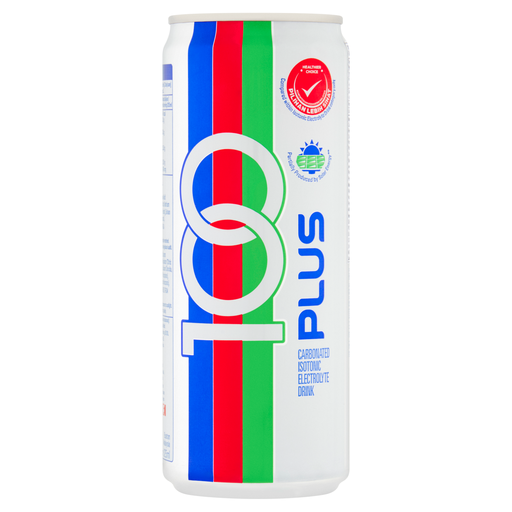
F&N 100 Plus Malaysian Carbonated Isotonic Electrolyte Drink 325 ml Halal
This 325 ml carbonated isotonic drink is a different option from plain sparkling water when considering ride fuel. Check its current carbohydrate and electrolyte values per serving against your total ride plan; the drink name alone cannot establish how much you will obtain.
Questions about sparkling water and cycling
Can plain sparkling water replace a sports drink on a ride?
Not when you need the drink to provide carbohydrate or purposeful electrolyte replacement. British Cycling says most indoor sessions under an hour do not need additional fuel, but advises fuel for rides over 90 minutes and adding electrolytes to fluid in its indoor-cycling guidance. Joybuy’s plain S.Pellegrino product lists 0 g carbohydrate per 100 ml.
How much carbohydrate should I plan for a ride over 90 minutes?
British Cycling gives a rule of thumb of 30–60 g of carbohydrate per hour for rides over 90 minutes. You can consider drinks or separate ride food as part of that plan; plain sparkling water does not supply the carbohydrate shown on Joybuy’s S.Pellegrino label.
Does flavoured sparkling water provide cycling fuel?
Do not assume it does: check carbohydrate per serving and the ingredients of the exact product. Sanpellegrino describes Essenza as having no sugars or sweeteners, while M&S lists a sweetened sparkling flavoured water; neither range name tells you whether a particular drink fits your ride-fuelling plan.
What should I consider if I sip sparkling drinks frequently?
Consider acidity as well as sugar. NHS oral-health guidance says many fizzy and sugar-free soft drinks can be acidic and cause tooth wear, and advises against brushing straight after a soft drink. Highland Spring reports pH 4–5 for its sparkling water; ask a dentist for advice about your own routine if frequent sipping concerns you.


