Riders on shorter, easier rides
If you want a drink for a commute, an easier ride or afterwards, plain sparkling water is an option for fluid intake. Whether you need separate ride fuel depends on the session, not on whether the water is fizzy.


For everyday drinking and shorter, easier rides, plain sparkling water is a straightforward choice when you want fluid without added sugar; check the nutrition panel if total sugar matters to you. Flavoured drinks labelled ‘no added sugar’ can still contain sugars from juice, while longer or high-sweat rides may call for a separate fuelling and electrolyte plan rather than sparkling water alone.
If you want a drink for a commute, an easier ride or afterwards, plain sparkling water is an option for fluid intake. Whether you need separate ride fuel depends on the session, not on whether the water is fizzy.
If fruit or citrus flavour appeals to you, compare the ingredients and ‘of which sugars’ figure. A sugar-free flavoured water and a juice-based drink labelled ‘no added sugar’ can have different sugar contents.
British Cycling discusses fluid and electrolyte planning for indoor cycling, where sweat loss can be substantial. In those conditions, choose sparkling water as a drink preference only alongside a fuelling and hydration plan suited to the ride.
Start with the drink’s ingredients and sugar figure, then consider the ride and where you will use the pack.
| Priority | What to check | Your needs |
|---|---|---|
| Plain water | Check that the product is plain sparkling water. Read the ingredients and the ‘of which sugars’ value per 100ml on the pack. | I want a drink for everyday hydration or an easier ride without choosing a flavoured recipe. |
| Flavour and sugar | Compare ‘no added sugar’ with the actual ‘of which sugars’ figure. Look for juice and sweeteners in the ingredients. Marks & Spencer lists 6.6g sugars per 100g for its no-added-sugar Juicy Apple and Elderflower Sparkling Water. | Flavour matters to me, but I want to know whether the drink contains sugars from juice or uses a sweetener. |
| Ride demands | Consider duration, intensity, heat and expected sweat loss. British Cycling advises adding electrolytes to fluid consumed in its indoor-cycling guidance; sparkling water alone is not a planned carbohydrate-and-electrolyte drink. | On a demanding ride, I need to decide on fluid and fuel separately rather than relying on the drink’s bubbles. |
| Pack format | Check bottle or can size, whether the container reseals, and whether it fits your carrying setup. A larger bottle may be more convenient for drinking at home or after a ride. | I want a container I can carry for a ride, or a larger pack to use afterwards. |
| Frequent sipping | Check the ingredients of flavoured drinks if acidity concerns you. Buxton Water notes that some sparkling waters have a lower pH than still water and that lower-pH drinks can have greater erosive potential. | If I sip fizzy drinks throughout the day, I want to consider that pattern and ask a dental professional about personal concerns. |
A juice-based drink can contain naturally occurring sugars. Marks & Spencer lists 6.6g sugars per 100g for its no-added-sugar Juicy Apple and Elderflower Sparkling Water.
Read the ingredients alongside the ‘of which sugars’ figure if minimising total sugar is your aim.
Plain sparkling water provides a drink, but it is not a substitute for planned carbohydrate and electrolytes when a session calls for them. British Cycling specifically discusses electrolyte addition for indoor riding with substantial sweat loss.
Plan fluid and fuel around the ride’s conditions; choose the sparkling water separately if you enjoy drinking it.
Marks & Spencer lists its Lemon and Lime Sparkling Water as sugar-free with steviol glycosides, while its no-added-sugar Juicy Apple and Elderflower drink lists 6.6g sugars per 100g.
Compare the exact product labels, particularly if you want to avoid either total sugar or sweeteners.
Buxton Water notes that some sparkling waters have a lower pH than still water and that lower-pH drinks can have greater erosive potential.
If this concerns you, consider when and how often you drink fizzy water and seek individual dental advice.
These ranges illustrate why the exact product label matters; a brand name alone does not tell you the sugar content of every drink it sells.
Highland Spring describes its plain sparkling water as water from the Ochil Hills with nothing added but bubbles.
S.Pellegrino sells plain sparkling natural mineral water as well as separate flavoured drinks.
Perrier describes its plain carbonated mineral water on its international product page as containing no sugar.
Tesco lists both plain British sparkling mineral water and a no-added-sugar Apple & Raspberry flavoured sparkling water.
M&S lists flavoured sparkling waters with notably different ingredients and sugar figures.
These plain sparkling waters offer different container and pack sizes for everyday drinking, shorter rides or use after a ride. Check the current ingredients and nutrition panel if you need to confirm total sugars for a particular pack.
 No image available
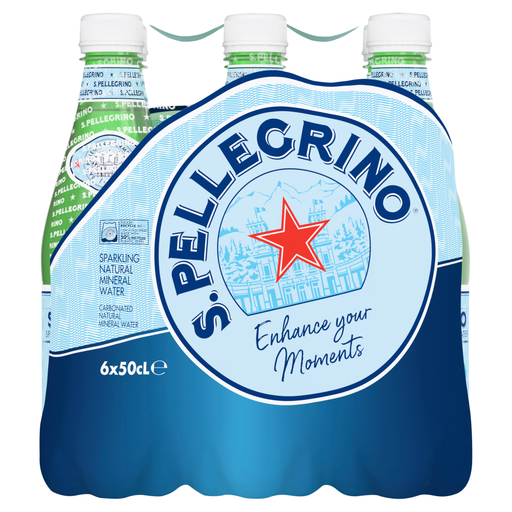
A plain mineral water to consider for everyday drinking or an easier ride. The pack contains six 0.5L bottles; if a ride needs carbohydrate or electrolytes, plan those separately.
 No image available
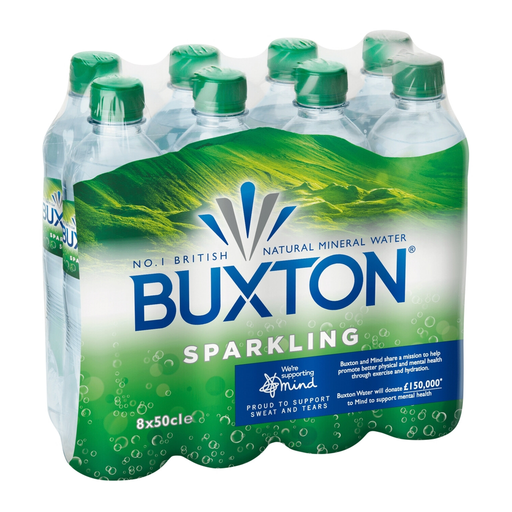
For ordinary drinking or a shorter ride where a plain sparkling drink suits your plans. This pack has eight 500ml bottles; check that a bottle fits how you carry drinks on the bike.
 No image available
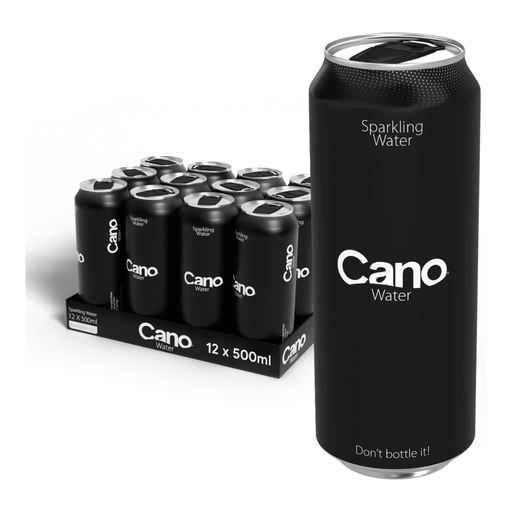
The resealable 500ml format is worth considering if you want to take a sparkling drink with you. Check that the container suits your carrying setup; the pack contains twelve.
 No image available
A plain mineral water in six 1L bottles, a format to consider for drinking at home or after a ride. If buying it to take cycling, check that a 1L bottle fits your carrying setup.
Yes, it can be a drink for ordinary hydration or a shorter, easier ride. For a session that calls for carbohydrate or electrolyte replacement, plain sparkling water alone is not the whole plan; British Cycling highlights electrolyte addition in its indoor-cycling guidance.
No. A drink can have no added sugar and still contain sugars from ingredients such as juice. For example, M&S lists 6.6g sugars per 100g for its no-added-sugar Juicy Apple and Elderflower Sparkling Water, so check the ingredients and ‘of which sugars’ figure.
Yes. M&S lists steviol glycosides in its sugar-free Lemon and Lime Sparkling Water. Check the ingredients if avoiding sweeteners is also part of your choice.
Consider the particular drink and your drinking pattern. Buxton Water notes that some sparkling waters have a lower pH than still water and that lower-pH drinks can have greater erosive potential; ask a dental professional about individual concerns.
Not necessarily. Match your fluid and fuelling plan to the ride’s duration and conditions. British Cycling highlights electrolyte needs for indoor riding with substantial sweat loss, rather than treating plain water as a replacement for every ride-fuelling plan.