What should you check before buying?
Decide whether you want plain water or a flavoured drink, then compare the exact products on the same nutrition basis. A claim about added sugar is not a substitute for the total sugars, carbohydrate and ingredients.
Plain sparkling water
Choose it when: You want fizz without choosing a fruit- or sweetener-based drink; Diabetes UK describes water as an all-round drink.
Bear in mind: It will not provide the sweetness or fruit flavour of a flavoured drink.
Unsweetened flavoured water
Choose it when: You want a flavoured sparkling drink without sweeteners; Sanpellegrino describes S.Pellegrino Essenza as having zero sweeteners.
Bear in mind: ‘Flavoured water’ does not describe every product’s ingredients or nutrition, so check the particular flavour and pack.
Sweetener-based flavoured water
Choose it when: A sweeter, fruit-style drink is what you want instead of a sugary fizzy drink, and its label fits your carbohydrate-counting needs.
Bear in mind: Some products also contain juice; ‘no added sugar’ does not establish that total sugars are zero.
| Priority |
What to check |
Your needs |
| Everyday drink |
Check whether the product is plain sparkling water or a flavoured drink. For a flavoured product, read its ingredients rather than relying on the word ‘water’ in its name. |
I want fizz for routine drinking, but do not need a sweet or fruit-style drink. Diabetes UK describes water as an all-round choice, while the NHS suggests sparkling water for people who dislike still water. |
| Sugars and carbohydrate |
Compare both figures per 100ml, then consider the amount you will drink. Check for juice and for naturally occurring sugar even when the pack says ‘no added sugar’. |
If I count carbohydrate, the total in my serving matters more than a front-of-pack claim. Sanpellegrino says its Zero Added Sugar fruit drinks contain naturally occurring sugar. |
| Flavour and sweeteners |
Read the ingredient list for sweeteners and juice. Check the exact range: an unsweetened flavoured water is not necessarily formulated like a sweetener-based fruit drink. |
When I want flavour, I would rather choose knowingly between an unsweetened option and a sweeter drink. Tesco lists sucralose and apple juice concentrate in its Apple & Raspberry sparkling water. |
| Hypo treatment |
Keep everyday sugar-free drinks separate from the treatment in your personal diabetes care plan; a sugar-free sparkling drink is not a substitute for sugar when treating a hypo. |
I need my everyday drink choice to stay distinct from my agreed hypo treatment. Diabetes UK distinguishes sugar-free alternatives for ordinary drinking from sugary fizzy drinks used to treat hypos. |
Brand and range examples
These examples illustrate different formulations within sparkling-water ranges; a brand name alone does not establish the ingredients of every drink it sells.
Highland Spring
A plain sparkling spring-water example for shoppers who want water rather than a fruit-style drink.
- Highland Spring describes drawing water from the Ochil Hills and adding bubbles.
- Check flavoured products separately rather than applying the plain-water description to the whole range.
Perrier
A carbonated mineral-water example when you prefer a plain branded option.
- Perrier describes its carbonated mineral water as having no sugar and zero calories.
- That statement should not be assumed to cover every Perrier-flavoured or mixed drink.
San Pellegrino
The distinction here is between sparkling-water and fruit-drink ranges, not simply between brand names.
- Sanpellegrino describes S.Pellegrino Essenza as having zero calories and zero sweeteners.
- Its separate Zero Added Sugar fruit drinks contain naturally occurring sugar, according to Sanpellegrino. Check which range and flavour you are buying.
Tesco
A flavoured sparkling-water example that shows why the ingredients matter alongside the drink’s name.
- Tesco lists 0.2g sugars and 0.3g carbohydrate per 100ml for its Apple & Raspberry sparkling water.
- The same product lists apple juice concentrate and sucralose; it is not plain sparkling water.
Sainsbury’s
Its range includes plain sparkling spring water and separate flavoured drinks, so choose by product rather than by retailer.
- Sainsbury’s describes its Lemon & Lime flavoured sparkling water as having no added sugar and lists less than 0.5g each of sugars and carbohydrate per 100ml.
- That Lemon & Lime drink contains a sweetener; the plain spring-water listing is a different product.
M&S
A flavoured sparkling-water example for shoppers comparing sweetener ingredients.
- Marks & Spencer lists steviol glycosides and less than 0.1g each of sugars and carbohydrate per 100g for its Lemon & Lime sparkling water.
- It is a sweetener-based drink, not plain sparkling water; note the per-100g basis when comparing labels.
Plain sparkling water options on Joybuy
These bottled options suit the plain sparkling-water route if you want fizz without selecting a flavoured drink. If you count carbohydrate, check the nutrition panel on the pack you buy rather than assuming every listing gives the same detail.
 No image available
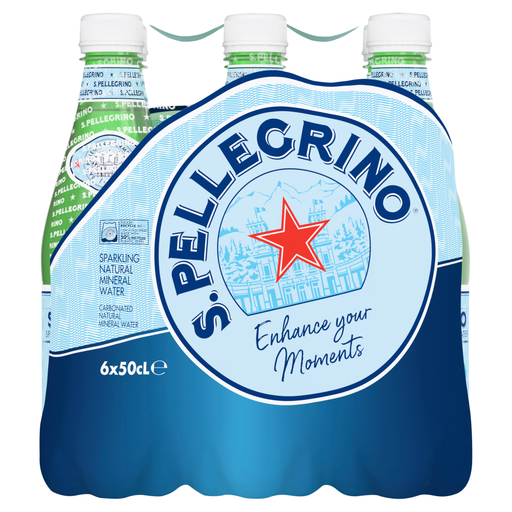
San Pellegrino Sparkling Natural Mineral Water, 6 × 0.5L
A plain sparkling mineral-water choice if you want bottled fizz rather than a flavoured drink. The pack contains six 0.5L bottles; check the current nutrition panel if you count carbohydrate.
View on Joybuy
 No image available
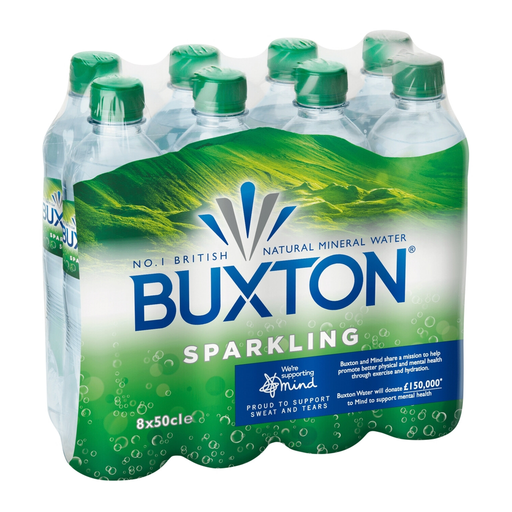
Buxton Sparkling, 8 × 500ml
An eight-bottle sparkling-water option for routine drinking when you prefer a plain drink to a fruit-style one. Each bottle is 500ml; use the current pack for any carbohydrate figures you need.
View on Joybuy
 No image available
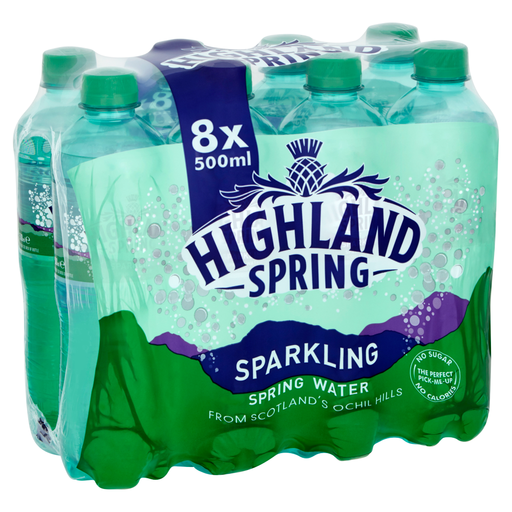
Highland Spring Sparkling Spring Water, 8 × 500ml
A plain sparkling spring-water option in eight 500ml bottles if you want to avoid choosing a flavoured formulation. Check sugars and carbohydrate on the current pack if those figures form part of your individual plan.
View on Joybuy
Frequently asked questions
Is plain sparkling water an everyday option if I have diabetes?
Plain sparkling water is a straightforward everyday water choice: Diabetes UK describes water as an all-round drink, and the NHS suggests sparkling water if you do not like still water. Check that the product is plain water rather than assuming every flavoured sparkling drink has the same ingredients.
Does ‘no added sugar’ mean a sparkling drink has no sugar?
No. Sanpellegrino states that its Zero Added Sugar fruit drinks contain naturally occurring sugar. Compare total sugars and carbohydrate on the particular drink’s nutrition panel, including the amount you plan to have.
Is sweetener-based sparkling water the same as plain water?
No. Sweetener-based drinks have a different ingredient profile: the listed M&S, Tesco and Sainsbury’s flavoured examples contain sweeteners, and Tesco’s Apple & Raspberry product also contains apple juice concentrate. Read the exact product’s ingredients and nutrition panel before choosing.
Can a sugar-free sparkling drink treat a hypo?
No. A sugar-free drink is not a substitute for the sugar needed to treat a hypo. Diabetes UK distinguishes sugary fizzy drinks used for hypo treatment from sugar-free alternatives for ordinary drinking; follow your personal diabetes care plan.
Which figures should I compare on a flavoured drink?
Compare sugars and carbohydrate on the same basis, usually per 100ml, then account for how much you will drink. Check the ingredient list for juice and sweeteners too; if another product gives values per 100g, do not treat those figures as though they were stated per 100ml.


