What should you check?
Choose a drink for its job: everyday fluid, a flavoured alternative or part of a practised in-run carbohydrate plan. Then compare the exact label and how the drink feels during training.
Plain sparkling water
Choose it for: everyday drinking when you like carbonation and tolerate it comfortably.
Bear in mind: plain water does not replace the carbohydrate planned for a long run.
Flavoured sparkling drink
Choose it for: flavour outside a run, after checking the drink's ingredients and nutrition panel.
Bear in mind: 'zero added sugar' does not necessarily mean no carbohydrate or sweeteners.
Carbohydrate-containing fuel
Choose it for: a longer run when your practised plan calls for carbohydrate during exercise.
Bear in mind: calculate intake from serving sizes and practise both quantity and tolerance in training.
| Priority |
What to check |
Your needs |
| Everyday fluid |
Check whether the product is plain water or a flavoured drink. Compare bottle or multipack sizes with how you plan to use them. |
I want a fizzy drink for meals or between training sessions, not something I am counting as run fuel. The NHS includes sparkling water as an option for people who dislike still water. |
| Long-run carbohydrate |
Check grams of carbohydrate per serving and how many servings your plan requires per hour. World Athletics lists 30–60 g per hour for 1–2.5 hours of endurance exercise and up to 90 g per hour beyond 2.5 hours. |
For a long session, I need to plan carbohydrate separately from plain sparkling water and practise how I will take it during training. |
| Comfort while running |
Test the exact drink, amount and timing on a training day. Consider a still option if carbonation causes discomfort; the NHS identifies fizzy drinks as a possible cause of gas-related bloating. |
Fizz is enjoyable between runs, but I would choose another drink before or during running if it leaves me bloated. |
| Flavoured-drink labels |
Read both ingredients and carbohydrate and sugars values for the stated serving size. Sanpellegrino UK lists lemon juice and sweeteners in Limonata Zero Added Sugar, with 1.3 g carbohydrate and 1.1 g sugars per 330 ml can. |
If I choose a flavoured drink, I want to know what is in that particular variant rather than assuming its front-of-pack wording describes plain water. |
Brand references
These examples show why the exact product and label matter; a brand's plain water and flavoured drinks need not have the same composition.
Highland Spring
Its sparkling spring-water range includes multipacks suitable for keeping at home.
- Highland Spring states that its sparkling water has nothing added but bubbles and lists sodium at 0.0056 g/L.
- It is a plain-water choice, not a substitute for carbohydrate fuel during a longer run; consider your tolerance for fizz around exercise.
San Pellegrino
Its range includes plain sparkling mineral water and separate flavoured beverages.
- The Joybuy listing for San Pellegrino Sparkling Natural Mineral Water 6 × 500 ml lists 0 g carbohydrate and 0 g sugars per 100 ml.
- Do not apply that plain-water panel to Limonata Zero Added Sugar: Sanpellegrino UK lists lemon juice, sweeteners and carbohydrate in the fruit drink.
Perrier
Perrier describes its carbonated mineral water as sugar-free and calorie-free.
- For a plain-water option, check the nutrition panel on the exact Perrier variant you are considering.
- A sugar-free water should not be counted as the carbohydrate portion of a long-run fuelling plan.
Tesco
Tesco lists own-label sparkling natural mineral water in individual bottles and larger household formats.
- Its sparkling-water range offers several pack sizes to compare for everyday use.
- Check the current label of the specific product, particularly when comparing plain water with a flavoured option.
M&S
M&S lists sparkling natural mineral water alongside other sparkling and flavoured waters.
- M&S describes its Collection Sparkling Natural Mineral Water as a 750 ml bottle sourced from natural mineral springs.
- M&S advises reading the current product label because product information can change.
Sparkling drinks on Joybuy
These options include plain sparkling waters for everyday drinking and flavoured sparkling drinks to compare by their labels. None should take the place of a practised carbohydrate plan for a long run.
 No image available
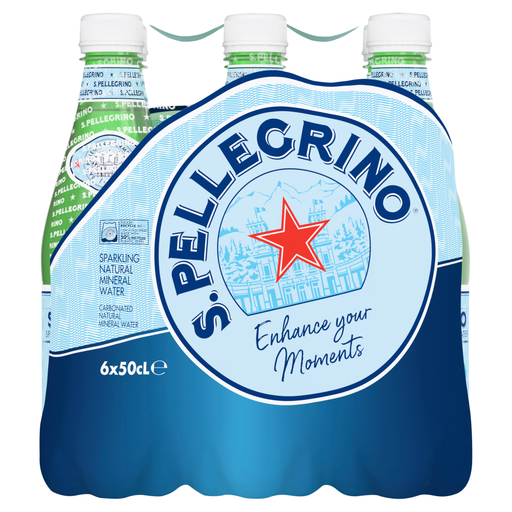
San Pellegrino Sparkling Natural Mineral Water, 6 × 500 ml
A plain sparkling-water option for drinking between runs. The Joybuy product information lists natural mineral water and carbon dioxide, with 0 g carbohydrate and 0 g sugars per 100 ml; plan long-run carbohydrate separately and consider whether fizz suits you around exercise.
View on Joybuy
 No image available
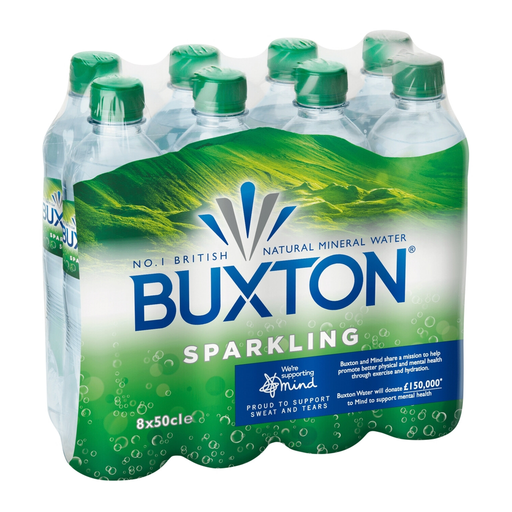
Buxton Sparkling Water, 8 × 500 ml
Eight individual 500 ml bottles offer a pack format to consider for everyday drinking. Check the current label for the composition you need, and test whether sparkling water feels comfortable around your runs.
View on Joybuy
 No image available
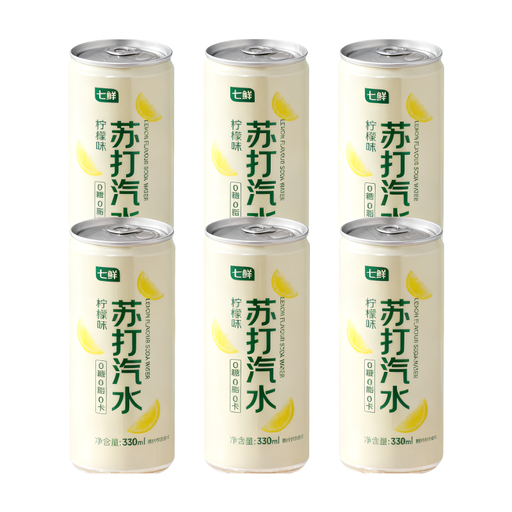
7FRESH Lemon-Flavoured Soda Water Drink, 6 × 330 ml
A lemon-flavoured sparkling option in smaller bottles for drinking outside a run. Check its current ingredients and carbohydrate and sugars panel rather than treating a flavoured soda-water drink as plain water or as long-run fuel.
View on Joybuy
 No image available
Highland Spring Sparkling Spring Water, 6 × 1 L
This larger-bottle pack is an option for keeping plain sparkling water at home. The Joybuy product information lists natural sparkling mineral water and sodium at 5.6 mg per 1,000 ml; use a separate carbohydrate plan for longer runs.
View on Joybuy
 No image available
Genki Forest Summer Black Grape Sparkling Water, 24 × 330 ml
A grape-flavoured option in individual cans for drinking outside a run. Compare its current ingredients and nutrition panel with plain sparkling water if sugars, sweeteners or carbohydrate affect your choice; do not count it as a long-run fuelling plan.
View on Joybuy
Questions about training and sparkling water
Can sparkling water count towards everyday fluid intake during marathon training?
Yes. The NHS includes sparkling water among options for people who do not like still water. Everyday drinking is a separate decision from the fluid and carbohydrate plan you practise for a long run.
Can plain sparkling water fuel a long run?
Plain sparkling water should not be your sole carbohydrate source for a long run. The Joybuy panel for San Pellegrino Sparkling Natural Mineral Water lists 0 g carbohydrate per 100 ml, while World Athletics lists 30–60 g per hour for 1–2.5 hours of endurance exercise and up to 90 g per hour beyond 2.5 hours. Practise a separate fuelling plan in training.
Does 'zero added sugar' mean a flavoured sparkling drink has no carbohydrate?
No. Sanpellegrino UK lists lemon juice and sweeteners in Limonata Zero Added Sugar, along with 1.3 g carbohydrate and 1.1 g sugars per 330 ml can. Read the ingredients and nutrition panel for the exact drink.
What if sparkling water makes me feel bloated before running?
Choose a still drink around your run if carbonation makes you uncomfortable. The NHS identifies fizzy drinks as one possible cause of gas-related bloating; test the drink, serving size and timing during ordinary training rather than on race day.
Why check the label again when buying the same sparkling-water brand?
Check the exact variant because plain water and flavoured drinks can have different ingredients and carbohydrate values. M&S also advises reading the current product label because product information can change.


