Plain sparkling-water cans can be a drink for training days, but they are not a source of carbohydrate fuel. For longer runs, plan carbohydrate separately and practise drinking what you intend to use while running. Before buying a multipack, check that it contains cans and read the nutrition panel, particularly if the drink is flavoured.
Who is choosing these drinks?
Runners stocking up for training days
A portioned sparkling-water multipack may suit you for drinking around routine training. Keep it separate from any carbohydrate plan for longer runs: World Athletics identifies carbohydrate intake as a consideration in endurance events.
Runners practising a long-run plan
Choose the carbohydrate sources and drinks you intend to use while moving, then rehearse the combination. World Athletics’ distance-running nutrition guidance emphasises balancing fluid and carbohydrate intake against practical opportunities and gut discomfort.
Runners unsure about fizz during exercise
Try the drink during an ordinary training session before relying on it for a demanding run. If carbonation feels uncomfortable, plan a still alternative rather than making an untested can part of your run-day routine.
What should you check first?
Decide whether the drink is for ordinary fluid intake or part of your fuelling plan, then check the individual can and the full pack.
Plain sparkling water
Choose it when: You want a fizzy drink around training and are planning any long-run carbohydrate intake separately.
Bear in mind: Plain sparkling water is not carbohydrate fuel, and you should test whether fizz suits you while running.
Sweetened sparkling drink
Choose it when: You deliberately want a drink that contributes carbohydrate and have checked the particular can’s label.
Bear in mind: Its carbohydrate content varies by product, so it cannot automatically stand in for your planned fuel.
Sports drink or gels
Choose them when: You are practising how to take carbohydrate during a longer run.
Bear in mind: Rehearse the amount and timing alongside your fluid plan; World Athletics’ distance-running guidance notes that gut comfort and opportunities to consume fuel matter.
| Priority | What to check | Your needs |
|---|
| Carbohydrate |
Read carbohydrate and sugars on the nutrition panel, using the stated unit and the amount you will drink. For longer endurance activity, World Athletics shows 30–60 g carbohydrate per hour for 1–2.5 hours and up to 90 g per hour beyond 2.5 hours; an individual plan still needs practice. |
I need to know whether this drink contributes to my long-run fuel or is simply something to drink alongside it. |
| Comfort |
Check the can size and whether you can close it after opening. Try the exact drink, amount and timing in training before counting on it during a demanding run. |
If fizz bothers me while running, I want a still drink available instead. |
| Sweat losses |
Read any stated sodium or mineral content rather than assuming mineral water replaces salt. The Health and Safety Executive’s workplace heat guidance notes that replacing lost sweat with water alone does not replace lost salt. |
For a sweaty session, I want to distinguish the fluid I am carrying from anything else in my practised plan. |
| Pack format |
Confirm cans or bottles, the number of units and the volume of each. Sainsbury’s and Tesco list sparkling-water multipacks in bottles, so the word ‘multipack’ does not establish the container type. |
I want individual cans, not a bottle pack that happens to appear in the same sparkling-water category. |
Common buying mistakes
-
Treating plain sparkling water as marathon fuel
Plain sparkling water can be a fluid choice, but it does not provide the carbohydrate addressed in World Athletics’ longer-event fuelling guidance.
Plan carbohydrate from drinks, gels or food separately for a longer run, and check the nutrition panel if you expect a canned drink to contribute.
-
Assuming every sparkling-water multipack contains cans
UK listings from Sainsbury’s and Tesco include bottled sparkling-water multipacks; the pack description matters more than the category name.
Check the container, unit count and volume on the exact listing before ordering.
-
Trying fizz for the first time on a key run
A long-run fluid and fuelling plan needs to work in practice. World Athletics’ distance-running guidance identifies gut discomfort as one factor to balance when rehearsing that plan.
Trial the drink and timing in training, and keep a still option if carbonation feels uncomfortable.
-
Assuming a flavoured drink is nutritionally the same as plain water
Formulations differ: Marks & Spencer lists apple juice and sugar in its Sparkling British Apple Spring Water, with 7.6 g carbohydrate per 100 g.
Read the ingredients and nutrition panel of the particular drink rather than relying on ‘water’ or ‘sparkling’ in its name.
Brand and retailer references
A brand name alone does not establish that a particular UK multipack contains plain sparkling water in cans; check the format on the individual listing.
San Pellegrino
A sparkling natural mineral-water option listed in UK supermarket multipacks.
- Sainsbury’s and Tesco list a 6 × 500 ml bottle multipack.
- That bottle listing does not establish a canned multipack.
Perrier
Perrier describes its carbonated mineral water in a slim-can format.
- The brand describes the mineral water as containing no sugar or calories.
- A can format alone does not confirm the pack size of a particular UK listing.
Highland Spring
A sparkling-water brand with bottled multipacks listed by UK supermarkets.
- Tesco and Sainsbury’s list 8 × 500 ml bottles; Highland Spring describes its sparkling water as having nothing added but bubbles.
- Check separately for cans if bottles do not meet your carrying preference.
Tesco
A retailer whose sparkling-water category includes branded multipacks.
- Its listings include 500 ml bottle multipacks from Buxton, San Pellegrino and Highland Spring.
- Check each product listing rather than assuming a category result is a canned pack.
Sainsbury's
A retailer with own-label and branded sparkling-water multipacks.
- Its own-label British Bottled Sparkling Spring Water is listed as 12 × 500 ml.
- That own-label pack contains bottles, not cans.
M&S
A retailer listing a 330 ml Sparkling British Apple Spring Water can.
- The product page lists its ingredients and carbohydrate content, making it possible to distinguish this sweetened drink from plain water.
- M&S says availability varies by selected store; a single-can listing does not establish a multipack.
Sparkling-water cans on Joybuy
These multipacks offer plain or orange-infused sparkling water in cans for drinking around training. Choose any carbohydrate fuel for longer runs separately, and check whether the can size and opening suit how you plan to carry and drink it.
 No image available
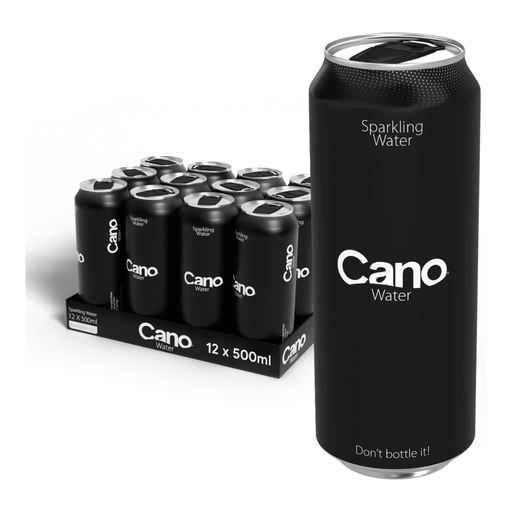
Cano Water Sparkling Resealable 12 × 500 ml
A plain sparkling-water option for drinking around training, with carbohydrate fuel planned separately for longer runs. The pack contains 12 × 500 ml resealable cans; test whether fizz suits you before taking it on a demanding run.
View on Joybuy
 No image available
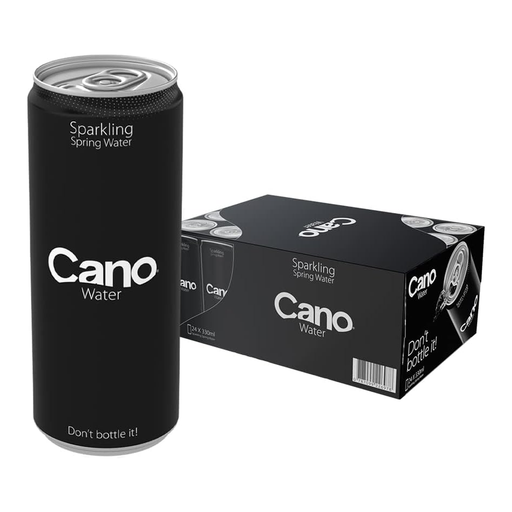
Cano Water Sparkling Ring Pull 24 × 330 ml
A plain sparkling-water option in smaller individual cans for drinking around training, not a substitute for planned long-run fuel. The pack contains 24 × 330 ml ring-pull cans; if you need to close a can between sips, check the opening before choosing it.
View on Joybuy
 No image available
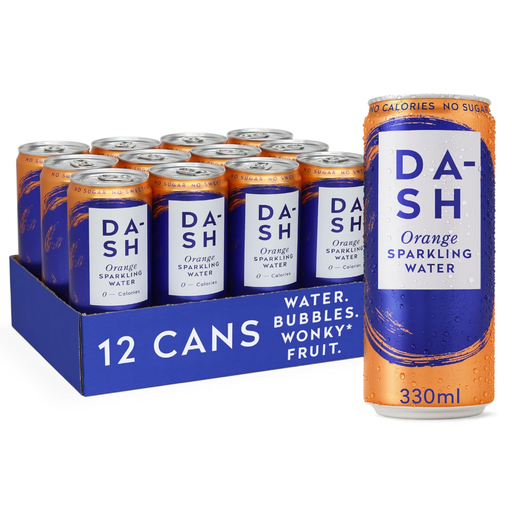
DASH Water Sparkling Water Infused with Wonky Oranges 12 × 330 ml
An orange-infused sparkling-water option if you prefer flavour around training. The pack contains 12 × 330 ml cans; read its nutrition panel if you intend a flavoured drink to contribute to a carbohydrate plan, and trial the fizz before relying on it while running.
View on Joybuy
Questions about training and cans
Can plain sparkling water fuel a marathon training run?
No: plain sparkling water can be a fluid choice, but it is not carbohydrate fuel. World Athletics shows 30–60 g carbohydrate per hour for endurance activity lasting 1–2.5 hours and up to 90 g per hour beyond 2.5 hours; practise a fuelling plan suited to your run rather than relying on the water.
Should I take sparkling water on a long run?
Take it only if you have tried that drink while running and find it comfortable. If fizz does not suit you, use a still alternative; for substantial sweating, remember that fluid and salt are separate considerations. The Health and Safety Executive makes that distinction in its workplace heat guidance, which is not a running-specific prescription.
Can a sweetened sparkling can replace gels or a sports drink?
Not automatically: compare the can’s stated carbohydrate content with your practised hourly plan and consider what else you will take. For example, Marks & Spencer lists 7.6 g carbohydrate per 100 g for its Sparkling British Apple Spring Water, but that figure alone does not establish how the can fits your plan.


