Second-home owners cutting back on sugary soft drinks
If drinks will remain unopened between visits, check the sugars figure, ingredients, best-before date and storage directions before deciding how much to leave at the property.


For a second-home drinks supply, start with plain sparkling water if you want to avoid flavoured or sweetened drinks; choose a flavoured option if its sugar figure and ingredients suit what you intend to stock. Do not treat a fruit-based sparkling drink or a “no added sugar” name as proof that it is sugar-free: compare the nutrition panels and choose pack sizes you are likely to use during a visit. If you have been advised to limit acidic drinks, remember that sugar content is only one consideration.
If drinks will remain unopened between visits, check the sugars figure, ingredients, best-before date and storage directions before deciding how much to leave at the property.
Flavoured sparkling drinks can use flavourings, sweeteners or juice. The nutrition panel and ingredients list help you distinguish the exact drink you want.
If someone in the household has been advised to limit acidic drinks, consider how often fizzy drinks will be consumed as well as their sugar content. Oxford Health NHS Foundation Trust lists fizzy and fruit-flavoured drinks among acidic drinks.
Choose the type of drink by its sugar figure and ingredients, then match the pack and storage directions to the length of a typical visit.
| Priority | What to check | Your needs |
|---|---|---|
| Sugar content | Compare “of which sugars” per 100ml or per 100g on the products you are considering. Check whether a fruit-based drink contains juice or added sugar. | I want to know how much sugar is in the drink, rather than relying on “sparkling water” or “no added sugar” in its name. Marks & Spencer lists less than 0.1g sugars per 100g for its Lemon and Lime Sparkling Water, but 7.6g per 100g for its Sparkling British Apple Spring Water. |
| Flavour and sweeteners | Read the ingredients for sweeteners, juice and flavourings. Check the exact flavour and variant, not just the range name. | I would like flavour, but I may prefer to avoid sweeteners. Marks & Spencer lists steviol glycosides in its Lemon and Lime Sparkling Water; S.Pellegrino describes its Essenza range as containing no sweeteners or sugars. |
| Pack and storage | Compare individual serving sizes with bottles intended for sharing. Check the best-before date and the pack’s unopened and after-opening storage directions. | For short or occasional visits, I would rather open a quantity I can use while I am there. Highland Spring lists 500ml bottles, 1.5L bottles and a 6 × 1L multipack for its sparkling range. |
| Acidity | Consider how frequently fizzy drinks will be consumed if acidic drinks are a concern. Keep sugar and acidity as separate checks. | Even if I choose a zero-sugar drink, I need to account for advice to limit acidic drinks. Oxford Health NHS Foundation Trust includes fizzy and fruit-flavoured drinks among acidic drinks. |
Fruit-based sparkling drinks can differ markedly from plain or sugar-free varieties. Marks & Spencer lists 7.6g sugars per 100g for its Sparkling British Apple Spring Water.
Compare the “of which sugars” figure using the same per-100ml or per-100g basis, and read the ingredients.
A sugar-free drink can still contain a sweetener: Marks & Spencer lists steviol glycosides in its Lemon and Lime Sparkling Water.
If sweeteners matter to your choice, check the ingredients of the exact flavour as well as its sugar figure.
A larger opened bottle may be difficult to finish during a short stay, while sealed smaller units can be opened as needed.
Match bottle size to the people staying and follow the product’s after-opening instructions.
Unfinished opened bottles can mean avoidable waste between visits.
Oxford Health NHS Foundation Trust identifies fizzy and fruit-flavoured drinks as acidic drinks. A zero-sugar label does not answer a separate question about acidic drinks.
If you have been advised to limit acidic drinks, include still water in the supply and follow the advice you have received.
These examples show why the exact product matters: plain water, flavoured water and fruit-containing drinks need different label checks.
A plain sparkling spring-water option with several pack formats.
Its Essenza range offers flavoured sparkling mineral water alongside the brand’s plain-water products.
A carbonated mineral-water option for shoppers considering a plain drink.
Its cited sparkling drinks illustrate the difference between a sugar-free flavoured water and a fruit-containing drink.
These plain sparkling-water packs offer 500ml and 1L sizes for second-home stocking. Compare their labels and storage directions against the length of your visits.
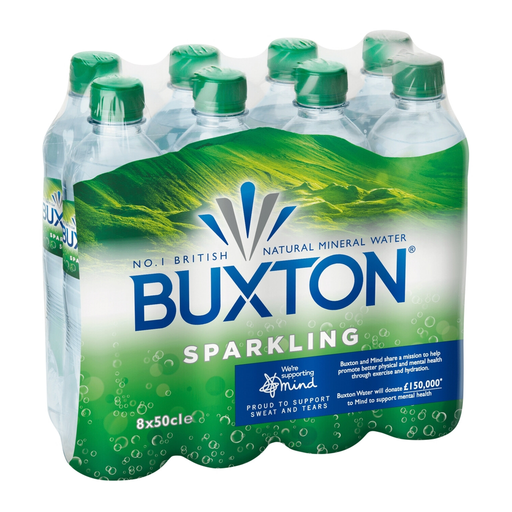 No image available
The 8 × 500ml format lets you open one smaller unit at a time during a visit. Check its sugar figure, best-before date and after-opening directions on the pack.
 No image available
Six 1L bottles provide a larger size to open for shared use. For a short visit, check whether you can finish an opened bottle within its stated storage directions; compare the sugar figure on the label.
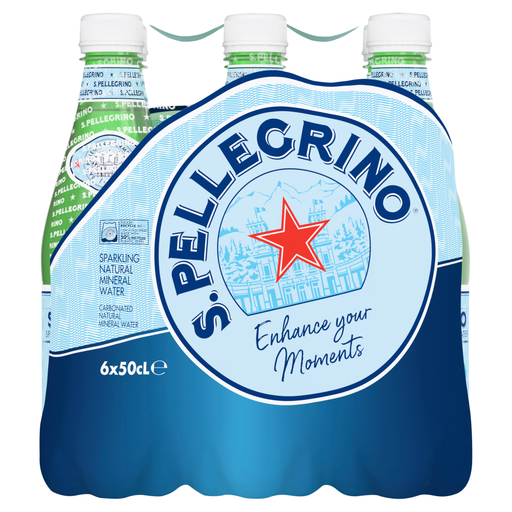 No image available
This six-pack has 0.5L bottles rather than the 1L bottles in the other San Pellegrino option shown here. Choose the size that fits a typical visit, and check the pack’s sugar figure and after-opening directions.
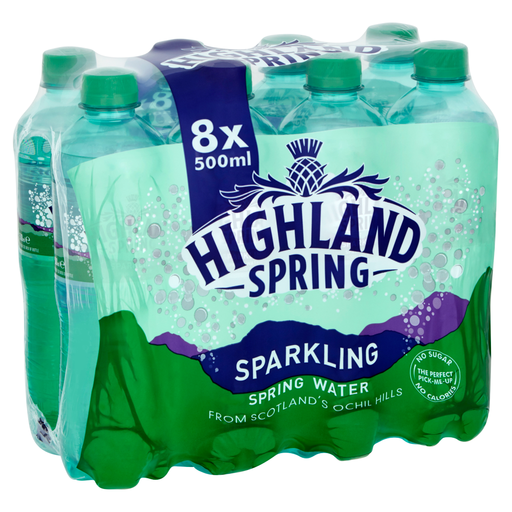 No image available
The 8 × 500ml pack offers smaller units to open across separate visits. Highland Spring describes its sparkling range as having nothing added but bubbles; check this pack’s nutrition panel if you need a stated sugar figure.
 No image available
Six 1L bottles suit a household planning to share an opened bottle during a visit. Check the nutrition panel for the sugar figure, and follow the bottle’s storage and after-opening directions.
No. Sugar content depends on the product: Marks & Spencer lists less than 0.1g sugars per 100g for its Lemon and Lime Sparkling Water, compared with 7.6g per 100g for its Sparkling British Apple Spring Water. Check “of which sugars” and the ingredients on the drink you intend to buy.
No. Marks & Spencer lists steviol glycosides in its sugar-free Lemon and Lime Sparkling Water. If you want to avoid sweeteners, read the ingredients of the exact flavour as well as its nutrition panel.
Follow each pack’s unopened and after-opening directions, and check its best-before date. Choose bottle sizes you are likely to finish during a visit so that opened drinks are not left between stays.
No. Oxford Health NHS Foundation Trust lists fizzy and fruit-flavoured drinks among acidic drinks, which is a separate consideration from sugar content. If you have been advised to limit acidic drinks, take that advice into account when planning what to stock.