Parents replacing a sugary fizzy drink
If a child asks for fizz after school, start by distinguishing plain sparkling water from a sweetened soft drink. The NHS recommends water and milk for children and advises avoiding sugary fizzy drinks.


For children, the NHS recommends water and milk as the usual drinks and advises avoiding sugary fizzy drinks. If you want a sparkling option with an after-school snack, plain water with added carbonation offers the simplest ingredient list; flavoured and no-added-sugar drinks need a closer look at sugars, sweeteners and acids. An NHS trust also cautions that fizzy and diet drinks can harm teeth if offered too often, so a low sugar figure does not settle how frequently to offer one.
If a child asks for fizz after school, start by distinguishing plain sparkling water from a sweetened soft drink. The NHS recommends water and milk for children and advises avoiding sugary fizzy drinks.
A fruity name does not tell you whether a drink is unsweetened. Tesco and Sainsbury's lemon-and-lime sparkling-water examples list citric acid and sucralose, so check the specific product's ingredients and nutrition panel.
Sugar is not the only consideration when a child has fizzy drinks regularly. Wrightington, Wigan and Leigh Teaching Hospitals NHS Foundation Trust cautions that fizzy, diet and no-added-sugar drinks can be acidic if offered too often.
Choose the type of drink first, then check the exact label and a pack size that suits how your household will use it.
Choose it when: You want fizz without choosing a flavoured or sweetened drink; Tesco's plain sparkling-water example lists spring water and carbon dioxide.
Keep in mind: The NHS trust's caution about offering fizzy drinks too often still matters for children.
Choose it when: Flavour matters, but you want to avoid sugars and sweeteners; Sanpellegrino makes those product-specific claims for S.Pellegrino Essenza.
Keep in mind: Check the chosen flavour's label rather than applying the Essenza claim to other Sanpellegrino drinks.
Choose it when: A sweeter fruity taste is the reason for moving away from a sugary fizzy drink.
Keep in mind: Tesco and Sainsbury's lemon-and-lime examples contain sucralose and citric acid despite their no-added-sugar descriptions.
| Priority | What to check | Your needs |
|---|---|---|
| Sugars and ingredients | Compare sugars per 100ml and per serving. Read the ingredient list for juice, sweeteners and acids as well as water and carbonation. | I want a fizzy drink alongside a snack without assuming that a no-added-sugar label means plain water. |
| Drink frequency | Check whether the drink contains added acids or sweeteners. Wrightington, Wigan and Leigh Teaching Hospitals NHS Foundation Trust cautions that fizzy and diet drinks can be acidic if offered too often. | If fizz is requested most afternoons, I need to think about how often it is offered, not just the sugar figure on one bottle. |
| Flavour | Check the precise flavour and its ingredients. Sanpellegrino's no-sugar, no-sweetener statement applies to Essenza, not every drink in its range. | A flavoured option might appeal, but I would rather choose knowingly between an unsweetened water and a sweetened drink. |
| Pack size and storage | Compare bottle sizes with likely use. Read the specific pack's instructions for refrigeration and use after opening. | Smaller bottles may suit occasional after-school use; a larger bottle makes more sense if we will use it within its stated opened-life guidance. |
Tesco's plain sparkling water lists spring water and carbon dioxide, while its Lemon & Lime drink lists lemon juice, citric acid and sucralose. Those ingredient lists describe different choices.
Read the full ingredients when choosing a drink for a regular snack routine, particularly if you want water with carbonation only.
A no-added-sugar drink can still contain acid and sweetener. Wrightington, Wigan and Leigh Teaching Hospitals NHS Foundation Trust cautions that fizzy and no-added-sugar drinks can harm teeth if offered too often.
Check the ingredients and consider how frequently the child will have the drink; the NHS recommends water and milk as children's usual drinks.
Opened-life instructions affect whether a larger bottle suits occasional snack-time use. Marks & Spencer instructs shoppers to refrigerate its Sparkling Irish Natural Mineral Water after opening and consume it within three days.
Check the instructions on the bottle you buy and choose a size your household is likely to use within that period.
Brand ranges can contain both plain water and flavoured drinks; use the individual product label to make the distinction.
The Sanpellegrino range includes S.Pellegrino sparkling mineral water and other sparkling drinks, as well as the Essenza flavoured mineral-water range.
Perrier describes its carbonated mineral water as having no sugar and zero calories.
Highland Spring describes its sparkling range as water from Scotland's Ochil Hills with bubbles added, including 500ml, 1.5L and 6 × 1L formats.
Tesco's examples show why its plain sparkling water and flavoured sparkling drinks need separate label checks.
Sainsbury's lists plain sparkling water alongside flavoured sparkling-water drinks.
M&S lists sparkling natural mineral water as well as flavoured sparkling-water products.
These plain sparkling-water listings cover smaller bottles and larger household packs. Check each pack's current ingredients, nutrition panel and storage instructions before using it for an after-school snack.
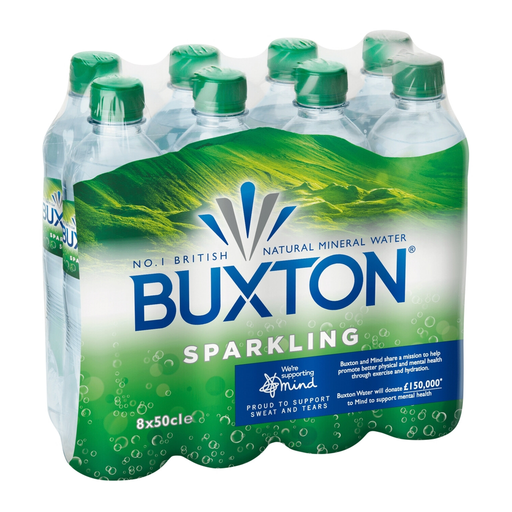 No image available
The 500ml bottles are a smaller-bottle option for an after-school drink. Check the pack's ingredients and sugars, and follow its storage instructions after opening.
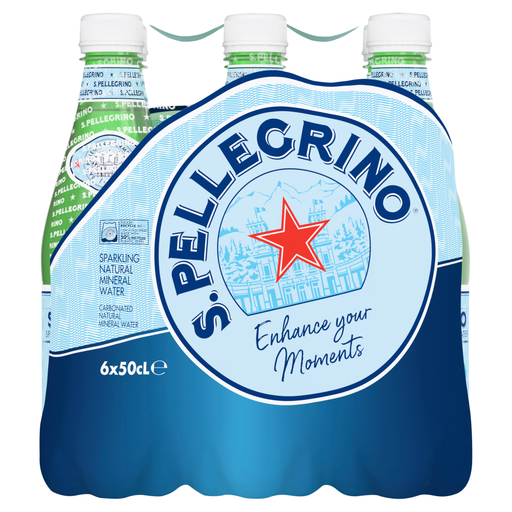 No image available
This plain mineral-water listing comes in six smaller bottles. Check its own label rather than applying claims about Sanpellegrino's flavoured ranges to this product.
 No image available
The six 1L bottles are a household format rather than individual snack-size bottles. Check the pack's opened-bottle instructions when deciding whether that size suits your routine.
 No image available
This six-bottle household pack is labelled as sparkling spring water. Check its sugar information and opened-bottle instructions on the pack; Highland Spring's stated pH range for its sparkling water is also worth bearing in mind if fizzy drinks are offered frequently.
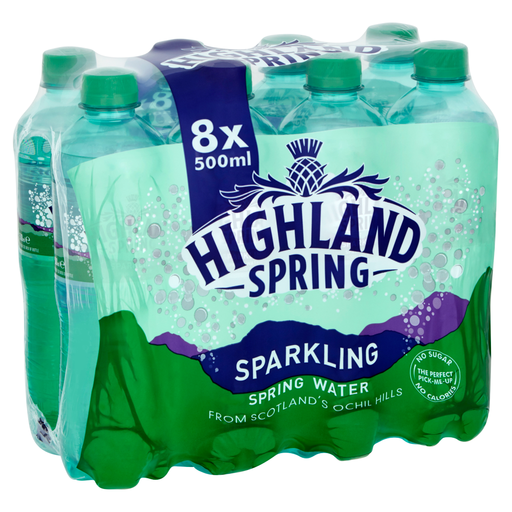 No image available
The eight 500ml bottles offer a smaller-bottle format. If you are choosing it specifically to avoid sugars or sweeteners, check the current ingredients and nutrition panel on this pack.
It can provide a fizzy option without choosing a sugary soft drink: Tesco's plain sparkling-water example lists only spring water and carbon dioxide. For children, the NHS recommends water and milk as the usual drinks, while an NHS trust cautions against offering fizzy drinks too often.
No. Tesco and Sainsbury's lemon-and-lime sparkling-water examples list both citric acid and sucralose. Check the full ingredients alongside sugars per 100ml and per serving.
For plain sparkling water, look for an ingredient list limited to water and carbonation, as on Tesco's plain example. For flavour, check the exact product: Sanpellegrino states that S.Pellegrino Essenza has no sugars or sweeteners, but that claim does not cover its other drinks.
Do not treat the no-added-sugar wording alone as a reason to offer them every day. Wrightington, Wigan and Leigh Teaching Hospitals NHS Foundation Trust cautions that fizzy, diet and no-added-sugar drinks can be acidic and harm teeth if given too often; it also advises against sugar-free or diet drinks for children under four. The NHS recommends water and milk as children's usual drinks.
Read that bottle's refrigeration and opened-life instructions before choosing a size. For example, Marks & Spencer instructs shoppers to refrigerate its Sparkling Irish Natural Mineral Water after opening and consume it within three days; instructions for another product may differ.