Marathon trainees who prefer fizzy water
If sparkling water helps you drink regularly, you can keep it in your routine while planning long-run carbohydrate intake separately.


Plain sparkling water can be a fluid choice for everyday drinking, after a run or during an easier session if you find it comfortable. It is not a substitute for long-run fuel: World Athletics sets carbohydrate intake targets for endurance events, while GetPRO Professional hydration guidance identifies sodium as relevant when exercise exceeds two hours or sweat losses are high. Practise your choice of fizzy or still fluid alongside your fuelling plan in training rather than trying it for the first time on race day.
If sparkling water helps you drink regularly, you can keep it in your routine while planning long-run carbohydrate intake separately.
You need to distinguish fluid from carbohydrate fuel and consider whether the duration and conditions call for a sodium source. Rehearse the plan during training.
If fizzy drinks feel uncomfortable during exercise, compare them with still fluids on training runs. Comfort during a run cannot be assumed from how a drink feels at rest.
Decide how you will supply carbohydrate on longer runs, then choose a fluid you tolerate and a bottle format that fits where you will drink it.
| Priority | What to check | Your needs |
|---|---|---|
| Long-run fuel | Check whether the drink contains carbohydrate or whether you will take it separately. World Athletics lists 30–60 g of carbohydrate per hour for endurance events lasting 1–2.5 hours and up to 90 g per hour for events over 2.5 hours. | For a marathon-specific long run, I need a practised carbohydrate plan; plain sparkling or still water is a fluid, not that fuel. |
| Sodium and fluid | Consider session length, conditions and sweat losses. GetPRO Professional hydration guidance says sodium should be included when exercise lasts over two hours or sweat losses are high; check the label if you intend to use a drink as a sodium source. | On a long or hot session, I want to plan what I drink without assuming a bottle of mineral water covers my sodium needs. |
| Comfort while running | Try the chosen sparkling or still drink at a comparable training pace. Small controlled studies published in the International Journal of Sport Nutrition did not find a significant disadvantage from the carbonation tested, but they cannot predict individual comfort. | Fizzy water might suit me after a run yet feel different while I am moving; I would rather find out in training. |
| Bottle and ingredients | Compare individual 500 ml portions with larger bottles for home use. Read the ingredient list when choosing between plain water and a flavoured fizzy drink; flavourings and added acids can change what the bottle contains. | A portion I can carry to training matters on some days; at home, a larger bottle may be more convenient. |
Plain water supplies fluid, not the carbohydrate covered by World Athletics’ endurance-event guidance. Drinking it on a long run does not, by itself, make a fuelling plan.
Plan and practise a separate carbohydrate source, or choose a carbohydrate-containing drink you have tested. Use sparkling water as your fluid only if it feels comfortable.
A mineral-water label may list sodium, but the presence of a mineral does not establish that the drink fits your sweat-replacement plan. GetPRO Professional hydration guidance identifies sessions over two hours and high sweat losses as situations where sodium should be included.
Check the selected bottle’s sodium information and plan a sodium source where it is relevant to your session.
Endurance exercise can bring stomach symptoms, particularly in heat or racing conditions. Small carbonation studies cannot tell you whether a particular drink will feel comfortable at your running pace.
Trial the exact drink and your intended drinking and carbohydrate routine on training runs.
A plain sparkling-water ingredient list can differ from a flavoured product’s. Oxford Health NHS Foundation Trust includes fizzy and fruit-flavoured drinks among acidic drinks in its oral-health advice.
Read the ingredients for added acids, flavourings, juice, sweeteners or sugar, especially if you sip the drink frequently. Seek dental advice if you have concerns about erosion.
These examples illustrate formats and label details to compare; a brand reference is not a substitute for checking the particular bottle you buy.
A plain sparkling spring-water option in larger multipacks.
Own-label sparkling spring water with individual-bottle and larger formats.
Own-label sparkling mineral water in larger home-use formats.
Sparkling natural mineral water, including small glass-bottle multipacks.
Sparkling natural mineral water with a reviewed 1 L format.
Sparkling-water options in different bottle sizes for drinking at home or with meals.
These sparkling-water packs offer individual portions or larger bottles for routine drinking and after-run use. If you take one on a long run, plan carbohydrate separately and check whether your fluid and sodium choices fit the session.
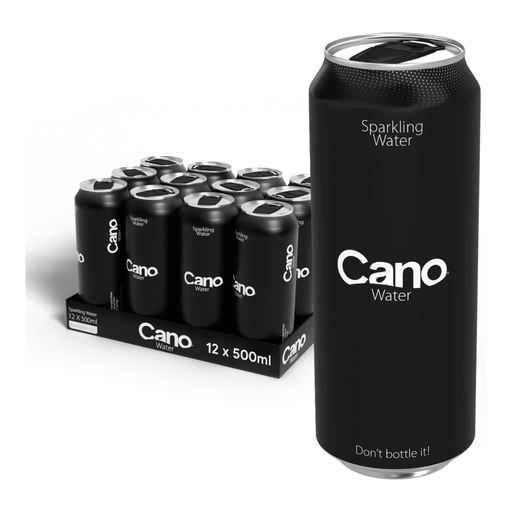 No image available
The 500 ml resealable portions offer a format to take to training or drink afterwards. Sparkling water does not replace a planned carbohydrate source for a long run; test whether carbonation feels comfortable while running, and check the label if sodium content matters to your plan.
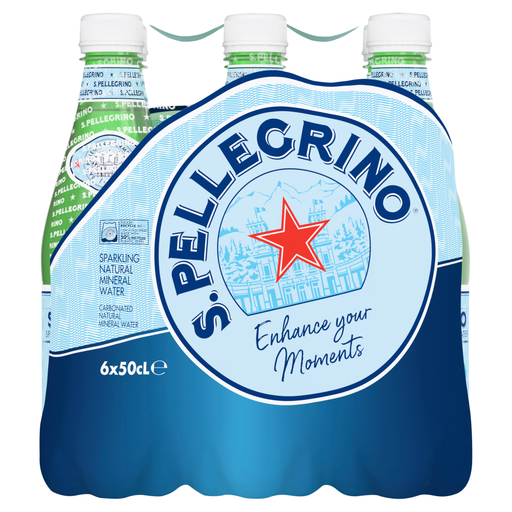 No image available
Six individual 0.5 L bottles offer portions for routine drinking or after a run. Mineral water should not be assumed to cover long-run carbohydrate or sodium needs: plan fuel separately and check the selected bottle’s label if sodium content matters.
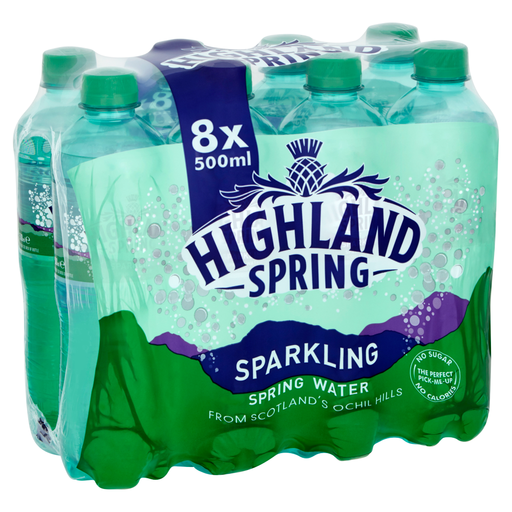 No image available
The eight 500 ml bottles provide individual portions to take to training or drink afterwards. For longer runs, plan carbohydrate separately; if you intend to rely on a drink for sodium, check the label for this particular pack.
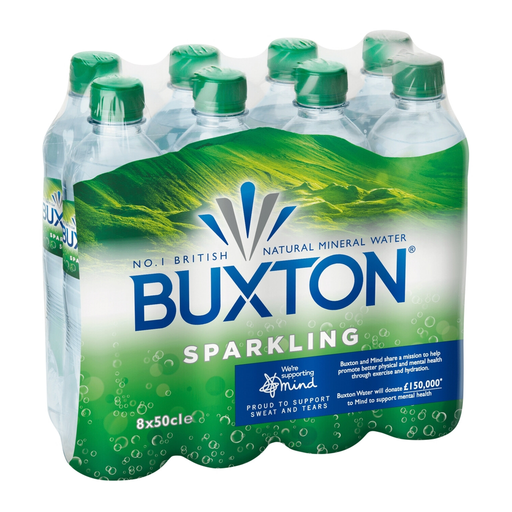 No image available
This eight-bottle pack offers 500 ml portions for a training bag or post-run drink. Treat sparkling water as a fluid choice, practise drinking it during exercise if you plan to do so, and arrange long-run fuel separately.
 No image available
The six 1 L bottles suit keeping sparkling water at home for routine or post-run drinking. Tesco lists sodium at 5.6 mg/L for this 6 × 1 L format; do not assume it meets a particular sweat-replacement plan, and arrange long-run carbohydrate separately.
No: plain sparkling water supplies fluid, not the carbohydrate in World Athletics’ endurance-event intake guidance. That guidance lists 30–60 g of carbohydrate per hour for events lasting 1–2.5 hours and up to 90 g per hour for events over 2.5 hours. Plan and practise an appropriate carbohydrate source separately if your drink is plain water.
Not automatically. Small controlled studies published in the International Journal of Sport Nutrition did not find significant effects from the carbonation tested on their measured drinking, comfort or exercise outcomes. Individual comfort can differ, so try your chosen drink on a training run before relying on it during an event.
GetPRO Professional hydration guidance says sodium should be included when exercise lasts over two hours or sweat losses are high. The amount and fluid choice depend on the session and individual sweat losses; check a drink’s sodium label rather than assuming sparkling mineral water is sufficient.
Yes, if you find it comfortable, sparkling water can contribute to your fluid intake after a run. After a long or demanding session, consider food and your wider fluid and sodium plan as well rather than expecting plain water alone to replace everything lost in sweat.
Check the ingredients: the reviewed plain Sainsbury's sparkling water lists spring water and carbon dioxide, while a reviewed flavoured sparkling water lists flavourings and malic acid as well. Those differences may matter if you are choosing a drink to sip frequently or testing what feels comfortable during a run.