Runners who enjoy fizz between sessions
For meals, ordinary hydration or a drink after an easy run, sparkling water may fit your preference. Keep any carbohydrate-fuelling plan separate from that choice.


Choose sparkling water for ordinary hydration if you enjoy the fizz and find it comfortable to drink, but do not rely on plain sparkling water as your marathon fuel. The Australian Institute of Sport describes sports drinks as a way to supply carbohydrate and fluid together; if a demanding session calls for a fuelling strategy, plan that separately, and choose still water around runs if carbonation causes bloating.
The useful distinction is whether you are choosing a drink for refreshment, for a planned fuelling session or for comfort while running.
For meals, ordinary hydration or a drink after an easy run, sparkling water may fit your preference. Keep any carbohydrate-fuelling plan separate from that choice.
If your training plan calls for carbohydrate and sodium during a session, check what the drink actually supplies. The Australian Institute of Sport describes sports drinks as providing fluid and carbohydrate together; plain sparkling water serves a different purpose.
If carbonation contributes to bloating, still water may be easier to use before or during a run. NHS advice on reducing bloating includes avoiding lots of fizzy drinks.
Decide whether the drink is for everyday hydration or a session that needs fuel, then check the label, your tolerance for carbonation and the pack format.
| Priority | What to check | Your needs |
|---|---|---|
| Fuel and fluid | Read carbohydrate and sodium values per 100 mL, as well as the ingredients. The Australian Institute of Sport cites 4–8 g carbohydrate and 23–69 mg sodium per 100 mL as a sports-drink composition range for fluid and fuel delivery; it is not a target for every runner or every bottle of water. | For a demanding session, I need to know where my carbohydrate and sodium will come from, rather than assuming sparkling water supplies both. |
| Carbonation | Consider when you will drink it and whether fizz causes discomfort. NHS guidance on bloating advises against drinking lots of fizzy drinks. | If fizz makes me feel bloated, I would rather use still water around a run and keep sparkling water for another time. |
| Ingredients | Check whether the exact product is plain water with carbon dioxide or contains flavourings, acid regulators or sweeteners. Read carbohydrate values independently of the flavour description. | I might want flavour, or I might prefer plain water. Either way, I want the label to tell me whether the drink contributes to my fuelling plan. |
| Pack format | Compare the stated bottle or can size, number of portions and whether the container can be closed again. Match the format to where you intend to drink it. | Individual portions would be useful to take along after training; larger bottles make more sense for drinking at home. |
Plain sparkling water is a fluid choice, not a substitute for a planned carbohydrate source. The Australian Institute of Sport describes sports drinks as formulated to deliver carbohydrate and fluid together.
For a session that calls for fuel, plan and practise the carbohydrate and sodium sources you intend to use; choose sparkling or still water separately according to preference and tolerance.
Carbonation may be uncomfortable if you are prone to bloating. NHS guidance for reducing bloating advises avoiding lots of fizzy drinks.
Try a sparkling drink away from a key session. If it causes discomfort, use still water around runs.
Published sodium figures vary. Buxton states 24 mg per litre for its sparkling water, and Sainsbury’s lists 8 mg per litre for its 2 L sparkling spring water; the Australian Institute of Sport’s cited sports-drink range is 23–69 mg per 100 mL.
Compare labels using the same volume unit, and check the exact pack if sodium is part of your event plan.
Flavour does not tell you whether a drink contains carbohydrate. Volvic lists 0 g carbohydrate per 100 mL for its Touch of Strawberry Sparkling product, which also contains sweeteners.
Read the ingredients and nutrition panel on the variant you are buying, then arrange a separate carbohydrate source if your session requires one.
These examples show why the exact product label matters; a brand name alone does not establish a drink’s ingredients or fuelling value.
A plain sparkling spring-water option for someone who prefers unflavoured fizz.
A sparkling natural mineral water with a published mineral composition.
An own-label plain sparkling spring-water example in a 2 L bottle.
An own-label sparkling-water range with formats including 2 L bottles and 12 × 500 mL multipacks listed by Tesco Groceries.
A flavoured sparkling option for someone who wants a fizzy drink away from fuelling sessions.
These plain sparkling-water packs offer different portion sizes for drinking around training. They are hydration choices, not a selection of carbohydrate-electrolyte fuelling drinks.
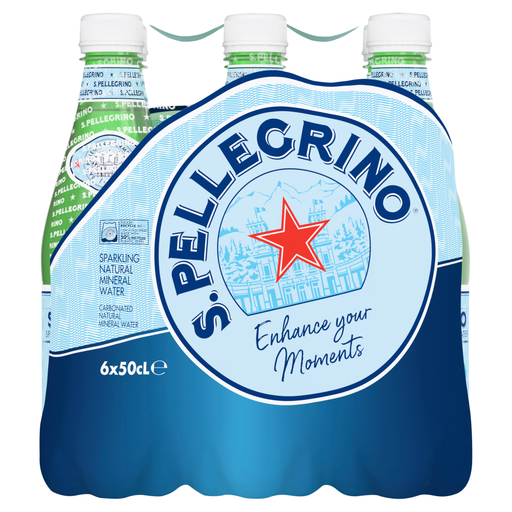 Image unavailable
Six individual bottles offer portions for drinking around training. The listing states 0 g carbohydrate per 100 mL, so arrange a separate fuel source when your session calls for one; check the pack if you need its sodium value.
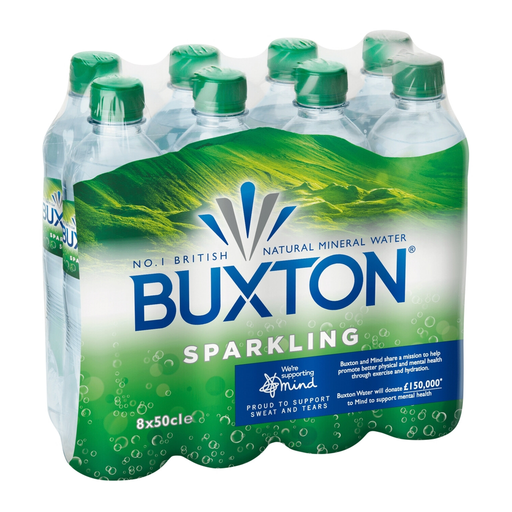 Image unavailable
This multipack provides individual bottles for ordinary hydration. The listing states 0 g carbohydrate per 100 mL; if sodium or salt is important to your plan, check the current pack label rather than relying on a figure from another listing.
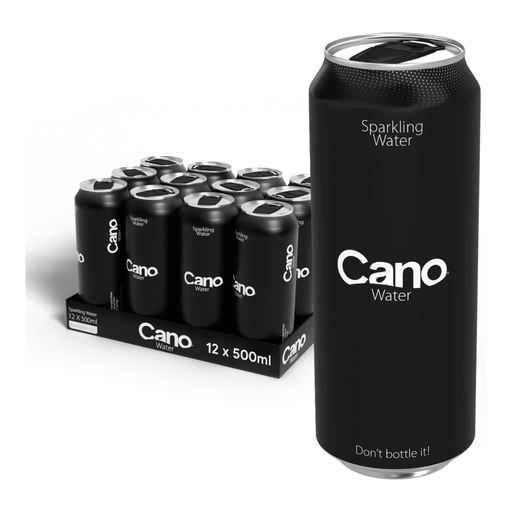 Image unavailable
Resealable individual cans are an option when you want a portion to take along. The listing gives natural spring water and carbon dioxide as ingredients and 0 g carbohydrate per 100 mL; check the pack if sodium delivery matters to you.
 Image unavailable
The 1 L bottles suit drinking at home or after training if you prefer a larger format. Highland Spring describes its sparkling water as having nothing added but bubbles; check the exact pack’s nutrition panel if you need carbohydrate or sodium figures for your plan.
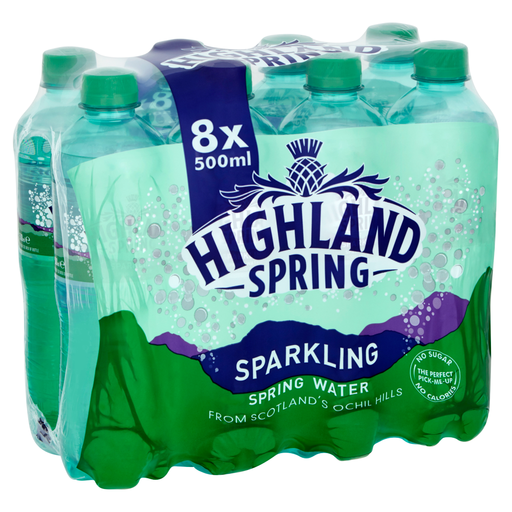 Image unavailable
The smaller individual bottles offer another format for drinking around training. This is sparkling spring water rather than a carbohydrate-electrolyte drink; check the exact pack’s nutrition panel if its carbohydrate or sodium values matter to your plan.
Plain sparkling water should not be your only planned fuel for a long run that requires carbohydrate intake. The Australian Institute of Sport describes sports drinks as supplying carbohydrate and fluid together; check the drink’s carbohydrate content and practise a separate fuelling strategy if you choose sparkling water for hydration.
That depends on your tolerance for carbonation and the purpose of the drink. NHS guidance on reducing bloating advises avoiding lots of fizzy drinks, so try sparkling water away from an important session and use still water around running if fizz causes discomfort.
Do not assume so from the word “mineral”. Buxton publishes 24 mg sodium per litre for its sparkling water, while the Australian Institute of Sport cites 23–69 mg sodium per 100 mL as part of a sports-drink composition range. Compare the current pack’s values on the same volume basis and follow the strategy you have planned for the session.
Flavour alone does not tell you whether it supplies carbohydrate. Volvic lists 0 g carbohydrate per 100 mL for Touch of Strawberry Sparkling, so that particular drink cannot serve as the carbohydrate source in a long-run fuelling plan; check the label of any other variant separately.