
24/7 Customer Support

Free returns

Same-day & Next-day Delivery

Quality Guaranteed

Unlock Your Welcome Offers: FREE Delivery | Up to 80% OFF | Free 30-day JoyPlus trial
Download the APP
A sparkling water multipack can be a practical way to stock the fridge, supply an office or prepare drinks for a gathering. However, pack size alone does not tell you whether it suits your routine. A low shelf price may hide a small total volume, while an attractive flavour may contain sweeteners or added sugar.
The right choice depends on container size, ingredients, carbonation, storage and packaging. Use the following checks to avoid paying for features you will not use.
Some products are plain carbonated water, while others are flavoured sparkling water containing natural flavourings, fruit extracts, sweeteners or juice concentrate. “Peach” or “grapefruit” on the front of the pack does not automatically mean the drink is sugar-free.
Check the ingredients and nutrition panel. For shoppers seeking a zero-calorie sparkling water, look for energy and sugar values per 100ml, rather than relying only on front-of-pack wording. For example, the Icelandic Glacial Tarocco Blood Orange drink lists natural flavours and reports 0 kcal and 0g sugar per 100ml. DASH products also list 0g sugar, although their stated energy values vary slightly by flavour.
A 24-pack of 330ml cans contains 7.92 litres, while a 12-pack of 500ml cans contains 6 litres. The larger number of cans is not necessarily the larger supply.
For a fair comparison, calculate:
Total volume = number of units × unit size
This is particularly important for offices, event organisers and larger households. A sparkling water 1 litre pack may offer more volume per unit, but 330ml or 500ml containers are easier to distribute and chill quickly.
Glass bottles may suit formal dining but add weight and breakage concerns. Plastic bottles can be convenient, but sustainability preferences differ between households. Recyclable water cans are compact and useful for events, although local recycling guidance and collection facilities should still be checked.
A resealable can can be practical for commuting or outdoor use, whereas a ring-pull can is generally intended to be consumed after opening. Always read the product description carefully rather than assuming every can can be resealed.
A canned sparkling water multipack may be easier to hand out at an event, while bottled sparkling water can be more convenient for resealing if the bottle has a suitable cap.
Plain sparkling spring water commonly contains spring water and carbon dioxide. Sparkling mineral water may also provide a listed mineral composition, such as calcium, magnesium, bicarbonate and sodium.
If you want a drink without sugar, check whether flavour has been added through fruit extract, natural flavourings or sweeteners. DASH grapefruit, orange and raspberry products are listed as containing no sugar or sweeteners, while Genki Forest White Peach includes erythritol and steviol glycosides. These are different formulations, even though both are marketed as flavoured sparkling drinks.
Fizz can reduce after opening, particularly if a bottle or resealable can is not closed securely. Look for storage instructions such as keeping the product in a cool, dry place and refrigerating after opening where stated.
For table use, a bottle may be more suitable. For outdoor occasions, cans can reduce concerns about broken glass. Check that cans and bottles are intact before opening, and do not consume products with damaged or leaking packaging.
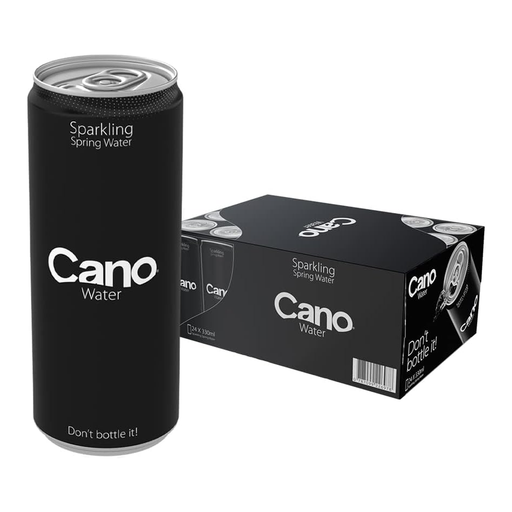
Why This Fits Their Persona: The 24-can format provides 7.92 litres in individual servings, making it practical for shared fridges, meetings and small events.
The total volume is clearly stated, and the ring-pull format avoids assuming that every can is resealable.
UK spring-sourced water; 330ml cans; 0 kcal and 0g sugar per 100ml as listed.
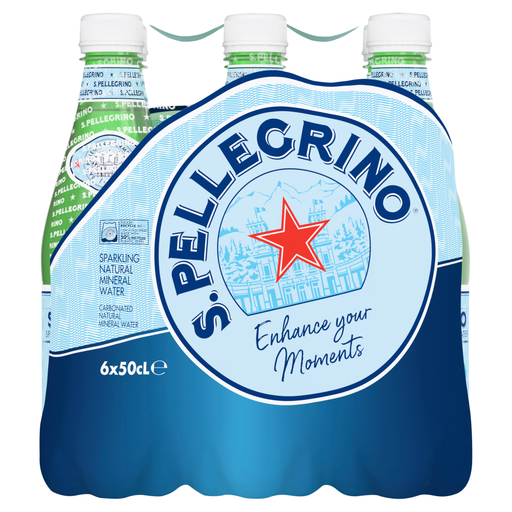
Why This Fits Their Persona: Six 500ml bottles provide a table-friendly option for meals, dinner parties and chilled individual servings.
The product page identifies the water as natural mineral water and gives the six-bottle, 3-litre total clearly.
Natural mineral water with carbon dioxide; 500ml bottles; listed as 0 kcal and 0g sugar per 100ml.

Why This Fits Their Persona: Six 1-litre bottles give households or workplaces a larger supply for meals, shared fridges and regular use.
The 6-litre total makes volume comparison straightforward, while the storage guidance explains that opened bottles should be refrigerated and used within 7 days.
Scottish spring water; listed mineral composition; bottles described as made with 100% recycled PET excluding cap and label.

Why This Fits Their Persona: The smaller cans offer a portion-controlled alternative to traditional fizzy drinks for desks, lunches and social occasions.
The listed ingredients specify carbonated spring water, natural flavourings, grapefruit extract and citric acid, with no sugar or sweeteners stated.
12 x 330ml format; grapefruit flavour; stated nutrition of 2 kcal and 0g sugar per 100ml.
We have compiled a complete, real-time list of products that fully satisfy these strict selection criteria and UK safety regulations.
It can offer a lower unit price than buying single containers, but compare the price per litre, not just the pack price. Include delivery costs and check the total volume, as a 12-pack and a 24-pack may contain different amounts of water.
Carbonation gradually decreases once a can or bottle is opened. Resealable packaging can help preserve the fizz, but follow the label’s storage guidance. Highland Spring advises refrigerating an opened bottle and consuming it within 7 days. Always check the best-before information printed on the packaging.
Many drinks cans are made from aluminium and can be recyclable through local household or commercial recycling systems. Recycling arrangements vary by council and venue, so check your local collection rules. Empty the container and follow the relevant guidance rather than placing it in general waste automatically.