
24/7 Customer Support

Free returns

Same-day & Next-day Delivery

Quality Guaranteed

Unlock Your Welcome Offers: FREE Delivery | Up to 80% OFF | Free 30-day JoyPlus trial
Download the APP
A sparkling water multipack can be a practical addition to the family fridge, office cupboard, lunchbox or gym bag. However, attractive packaging and phrases such as “natural”, “light” or “healthy alternative” do not always tell you what you are actually buying.
Before choosing between flavoured sparkling water, sparkling mineral water and other sugar-free fizzy drinks, check the following common pitfalls.
Many drinks contain 0g sugar per 100ml, but may still include sweeteners or other ingredients that affect the taste. Others may contain naturally occurring sugars, as found in coconut water, even when no sugar has been added.
If you want a zero sugar sparkling water, read both the energy and carbohydrate/sugars lines on the nutrition panel. Do not rely only on the front-of-pack wording.
A 24-pack may offer convenience for households or workplaces, but it is less suitable if you are trying a flavour for the first time. A six-pack of canned sparkling water can be a more sensible starting point for students, smaller households or anyone comparing flavours.
Also check whether the product is sold as cans or bottles. Cans are convenient for single-use occasions, while bottles may be easier to reseal depending on the format.
Fruit-infused sparkling water may contain natural flavourings, fruit extracts, juice concentrate, sweeteners or a combination of these. The taste can range from subtle and dry to noticeably sweet.
For a clearer comparison, review the ingredient list, allergen statement and serving size. Products with sweeteners should identify them on the label, while drinks containing coconut or other allergens require particular attention.
The common 330ml sparkling water format is convenient for lunchboxes, commuting and post-workout refreshment. To compare overall value, calculate the total volume as well as the number of cans or bottles.
For example:
A larger pack is not automatically more economical if some cans remain unused or the flavour does not suit your household.
For shoppers seeking sugar-free fizzy drinks, compare the nutrition information per 100ml and, where available, per can. Some products list 0kcal and 0g sugar, while lightly flavoured waters may contain small amounts of energy.
Pay attention to ingredients such as erythritol, steviol glycosides or sucralose if you prefer sparkling water without sweeteners. A drink that contains no sugar is not necessarily unsweetened.
The term sparkling mineral water refers to a product made with mineral water, whereas soda water or sparkling spring water may have a different source and mineral profile. These differences may affect flavour, salt content and suitability as a mixer.
Check the storage guidance too. Most unopened products should be kept in a cool, dry place away from direct sunlight. Chilling improves the drinking experience, and opened cans should generally be consumed promptly to retain carbonation.
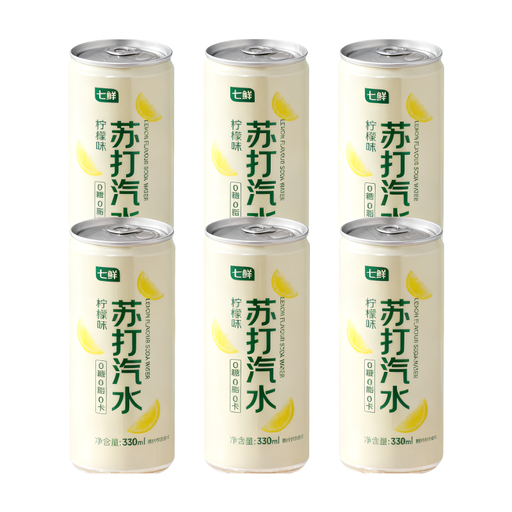
Why This Fits Their Persona: A six-pack offers a manageable way to try lemon-flavoured sparkling water without committing to a larger stock-up pack. It suits students, smaller households and occasional soft-drink replacements.
The listed nutrition information states 0g sugar and 0kcal per 100ml, while the ingredient list identifies flavouring and sodium bicarbonate.
330ml single portions; six bottles; lemon flavour; recommended chilled.

Why This Fits Their Persona: This option combines a mineral-water base with Sicilian lemon flavour in a compact can format, making it suitable for dining, entertaining or keeping chilled in an office fridge.
The listed ingredients are mineral water, natural lemon flavour, carbon dioxide, citric acid and natural flavour enhancers, with 0g sugar per 100ml.
10 × 330ml cans; zero sugar and zero calories listed; ready to drink chilled.
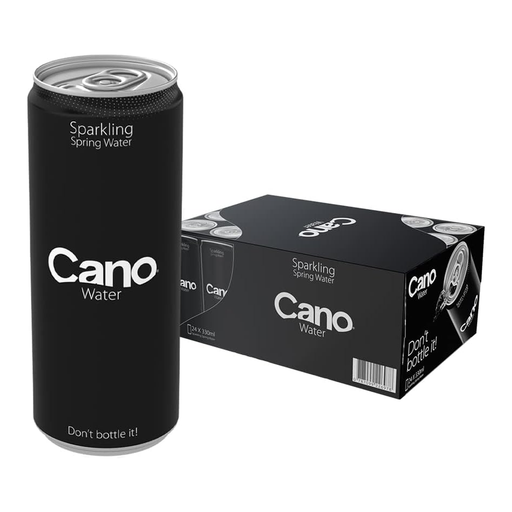
Why This Fits Their Persona: The 24-can format provides 7.92 litres for families, shared workplaces, events or shoppers who regularly choose unflavoured canned sparkling water.
The product is listed as natural spring water and carbon dioxide, with no sugar, flavourings or sweeteners shown in the ingredients.
24 × 330ml cans; UK spring sourced according to the listing; 0kcal and 0g sugar per 100ml.

Why This Fits Their Persona: Grapefruit flavour provides a sharper alternative to sweet-tasting peach or grape drinks, making this pack suitable for meals, social occasions and everyday fridge storage.
The listing specifies no sugar, sweeteners or calories, while the ingredients include carbonated spring water, natural flavourings, grapefruit extract and citric acid.
12 × 330ml cans; grapefruit extract; 2kcal per 100ml listed; refrigeration recommended.
We have compiled a complete, real-time list of products that fully satisfy these strict selection criteria and UK safety regulations.
Unsweetened sparkling water contains carbonation without added sugar. Flavoured varieties differ, so check whether they contain sweeteners, juice or other carbohydrate sources. A zero sugar product may still have a sweet taste if sweeteners are included.
Unopened cans can usually be stored until the date shown on the packaging, provided they are kept away from heat, moisture and direct sunlight. Once opened, carbonation gradually decreases, so consume the drink promptly. Do not use cans that are swollen, leaking or badly damaged.
Yes. A 330ml can is a defined single portion and is convenient for lunchboxes, desks, commuting and outdoor activities. For regular household consumption, compare the total pack volume and storage space before selecting a six-, 12- or 24-pack.