
24/7 Customer Support

Free returns

Same-day & Next-day Delivery

Quality Guaranteed

Unlock Your Welcome Offers: FREE Delivery | Up to 80% OFF | Free 30-day JoyPlus trial
Download the APP
Sparkling water multipacks are a practical way to keep chilled drinks available for meals, work breaks, parties and travel. However, attractive packaging and phrases such as “natural”, “light” or “fruit-infused” do not always tell you what you are actually buying.
Before choosing a carbonated water multipack, check the ingredient list, nutrition panel, pack format and storage instructions. The right option depends on whether you want plain sparkling mineral water, flavoured sparkling water, a zero-calorie fizzy drink or a mixer such as tonic water.
Plain sparkling water usually contains water and carbon dioxide only, but flavoured or fruit-based drinks can contain sugar, juice, syrups or sweeteners. A product described as a “light” or “refreshing” fizzy drink may still contribute sugar and calories.
Look specifically for the per 100ml nutrition values, rather than relying on front-of-pack wording. For example, DASH flavoured sparkling water lists 0g sugar and 2–3 kcal per 100ml depending on the flavour, while De Vina Sparkling Mango lists 4.5g sugar and 18 kcal per 100ml.
Tonic water is carbonated, but it is not the same as plain bottled sparkling water. It may contain sweeteners, acidity regulators and quinine flavouring. Schweppes Slimline Tonic Water has 0g sugar and 2 kcal per 100ml, but it contains aspartame and a source of phenylalanine.
Similarly, some flavoured soda waters use sweeteners such as sucralose or erythritol. These may suit shoppers looking for sugar-free sparkling water, but they are different from mineral water. Always read the ingredients if you want a simple water-only drink.
A large multipack may reduce the cost per drink, but it also needs more storage space and may be inconvenient for individual use. A 1-litre bottle can work well with meals, while 330ml cans or bottles are easier for lunch boxes, desks and gatherings.
Packaging also affects portability and recycling. Aluminium cans, plastic bottles and glass bottles have different weights, storage requirements and local recycling arrangements. Check your council’s recycling guidance instead of assuming every format is collected in the same way.
For plain sparkling mineral water, look for wording such as natural mineral water or spring water, followed by carbon dioxide. Mineral water may also show its mineral composition, including bicarbonate, calcium, magnesium and sodium.
If your priority is a zero-calorie fizzy drink, compare:
“Zero sugar” does not automatically mean “no sweeteners”. A drink can contain no sugar while still having a sweet taste from added sweeteners.
Canned sparkling water is convenient for single servings and can be suitable for offices, picnics or events. Cano Water, for example, is supplied in 330ml or resealable 500ml aluminium cans, depending on the pack.
Plastic bottles are often lighter and easier to store in larger quantities. Highland Spring sparkling water is available in 500ml and 1-litre formats. Some listed packs use recycled PET, but shoppers should check the current packaging and recycling information on arrival.
Glass bottles can provide a more formal presentation for meals or celebrations, although they are heavier and more vulnerable to breakage. De Vina Sparkling Mango is supplied in a glass bottle and contains fruit juice, sweetener and 18 kcal per 100ml, making it a flavoured alcohol-free drink rather than plain sparkling water.
Calculate the total volume before comparing prices. A 12-pack of 330ml cans contains 3.96 litres, while six 1-litre bottles provide 6 litres. Smaller packs may be more suitable if you have limited fridge space or want to try a flavour before buying in bulk.
Once opened, carbonation gradually fades. Several products recommend refrigeration after opening and prompt consumption. Keep unopened packs in a cool, dry place away from direct sunlight, and check the best-before information on the packaging.
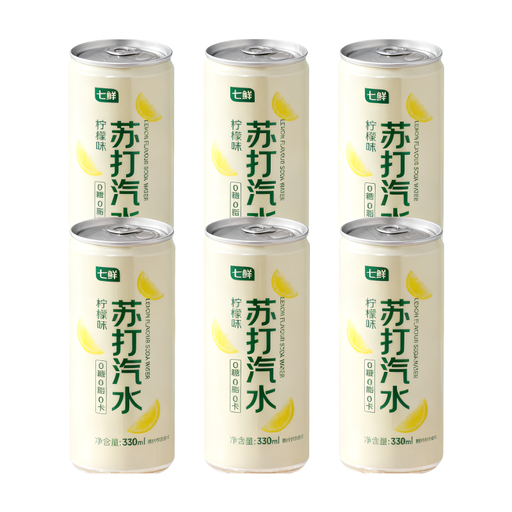
Why This Fits Their Persona: Six 330ml bottles provide a manageable starter pack for students, shared flats or shoppers trying flavoured sparkling water without committing to a large case.
The listing states 0g sugar, 0g fat and 0 kcal per 100ml, helping shoppers check the nutrition position rather than rely only on the lemon flavour description.
330ml individual bottles; lemon flavour; ready to drink chilled; suitable with meals or as a mixer.

Why This Fits Their Persona: Six 1-litre bottles suit hosts and households wanting bottled sparkling water for dinner tables, weekend meals and alcohol-free entertaining.
It is clearly listed as natural mineral water with carbon dioxide, rather than a sweetened soft drink or tonic water.
0 kcal per 100ml; 1-litre serving format; suitable plain or as a mixer; Italian origin stated in the listing.
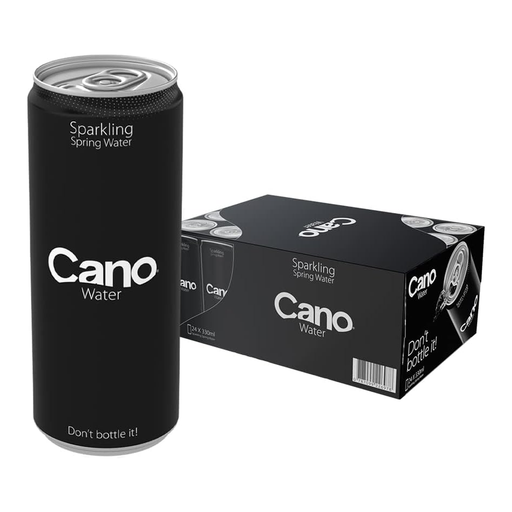
Why This Fits Their Persona: The 24-can format is practical for offices, parties, gyms, student accommodation and households that regularly serve single portions.
The pack volume is explicit at 7.92 litres, making it easier to compare value and avoid mistaking a large-looking case for a high-volume purchase.
UK spring water; aluminium ring-pull cans; 0 kcal and 0g sugar per 100ml; single-serve format.
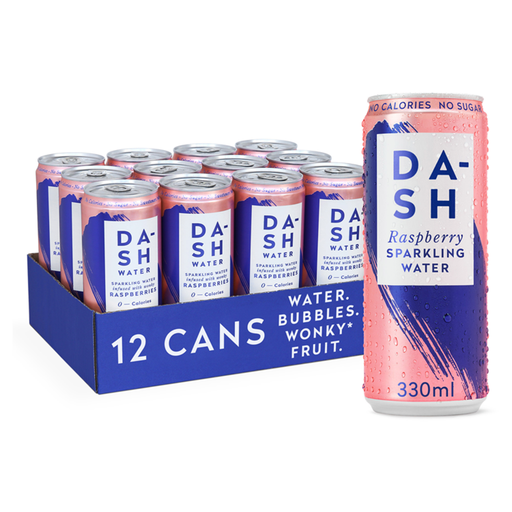
Why This Fits Their Persona: This pack offers fruit character in individual cans for professionals, commuters and shoppers seeking a flavoured option without sugar or added sweeteners.
The ingredient list identifies carbonated spring water, natural flavourings, raspberry extract and citric acid, while the nutrition panel states 0g sugar.
12 × 330ml cans; raspberry extract; no sugar or sweeteners listed; ambient storage is stated for this product.
We have compiled a complete, real-time list of products that fully satisfy these strict selection criteria and UK safety regulations.
Plain sparkling water can be used as part of everyday fluid intake if you enjoy carbonation. Flavoured versions vary, so check sugar, sweeteners, acidity and calorie values. Still water may be more suitable for people who find carbonation uncomfortable or prefer a neutral taste.
Fizz reduces once a bottle or can is opened. Resealable bottles and cans can help retain carbonation, but storage instructions still matter. Refrigerate opened products where the label advises it, keep the closure sealed and consume promptly for a livelier taste.
They can offer a lower price per unit, but compare the total number of servings and total litres, not just the pack price. A 24-pack of 330ml cans may suit frequent users, while a six-pack of 1-litre bottles may provide more liquid for family meals. Delivery charges, storage space and packaging preferences should also form part of the calculation.