
24/7 Customer Support

Free returns

Same-day & Next-day Delivery

Quality Guaranteed

Unlock Your Welcome Offers: FREE Delivery | Up to 80% OFF | Free 30-day JoyPlus trial
Download the APP
Buying sparkling water multipacks can reduce the number of shopping trips, but a large case is not automatically good value. The wrong flavour, oversized bottles or unexpectedly high sugar content can leave you with drinks nobody wants to finish.
This guide explains the practical details to check before buying sparkling mineral water, flavoured fizzy drinks, tonic water multipacks and other carbonated soft drinks for everyday use, meals or gatherings.
Not every carbonated drink is simply water and bubbles. A bottle labelled as a sparkling fruit drink may also contain juice concentrates, sugar, sweeteners, preservatives or added flavourings.
For example, a fruit-based drink may taste more substantial than plain water, but its nutrition panel can be very different. Hope Water Wanglemon Lemon Juice Sparkling Water lists 43 kcal and 10.6g of sugars per 100ml. That is useful information for shoppers comparing it with zero sugar sparkling water.
Terms such as “light”, “natural” or “fruit flavour” do not tell you the complete formulation. Check the ingredients list and nutrition table instead. In the UK, packaged drinks should provide relevant information including ingredients, allergens where applicable, net quantity and nutrition details.
Also check whether “zero sugar” means the drink contains sweeteners. Genki Forest White Peach, for instance, lists erythritol and steviol glycosides while showing 0g sugar and 0 kcal per 100ml. This may suit shoppers avoiding sugar, but those who prefer an unsweetened drink should choose plain sparkling water instead.
A 24- or 30-pack can work well for a family, office or regular host, but cases of small bottles still take up cupboard, garage or utility-room space. Glass bottles can also be heavier and more fragile than cans or PET bottles.
Before ordering, consider where the drinks will be stored, whether you need individual portions and how quickly your household will use them.
Compare nutritional values per 100ml, not just per bottle. A 330ml can containing 0g sugar per 100ml remains sugar-free, while a 300ml bottle containing 10.6g sugar per 100ml provides considerably more sugar per serving.
For a straightforward everyday option, natural mineral water with carbonation usually has no sugar or calories. Flavoured sparkling water may also be sugar-free, but check for sweeteners and flavourings. Fruit sparkling drinks often provide a stronger taste, yet may contain juice, added sugar or concentrates.
If you have an allergy or dietary requirement, read the full label each time. “No allergens” should not replace checking the current packaging, as recipes and labelling can change.
Sparkling water cans are convenient for lunchboxes, picnics and portion control. Aluminium cans are also widely recyclable where local collection facilities accept them. PET bottles are lightweight and practical for larger household cases, while glass bottles can offer a more formal presentation for dining.
Do not freeze carbonated drinks, and store them away from direct sunlight and heat. Pressure can build inside sealed carbonated packaging, so open cans and bottles carefully and do not use damaged or swollen containers.
Small 150ml tonic cans are suited to measured mixers, while 480ml bottles provide more drink for individual refreshment. Larger 500ml or 1L bottles may be more suitable for serving with meals, but they can lose carbonation after opening.
For hosts, a combination of plain sparkling mineral water, flavoured options and tonic water may be more flexible than buying one large case of a single flavour.

Why This Fits Their Persona: A 30-pack of 330ml PET bottles provides individual portions for family routines, work bags, school days and outings across the UK.
The product is natural mineral water with 0 kcal and 0g sugar per 100ml, avoiding the hidden sugar found in many flavoured carbonated drinks.
330ml single-serve bottles; natural mineral water from Iceland; no listed allergens.
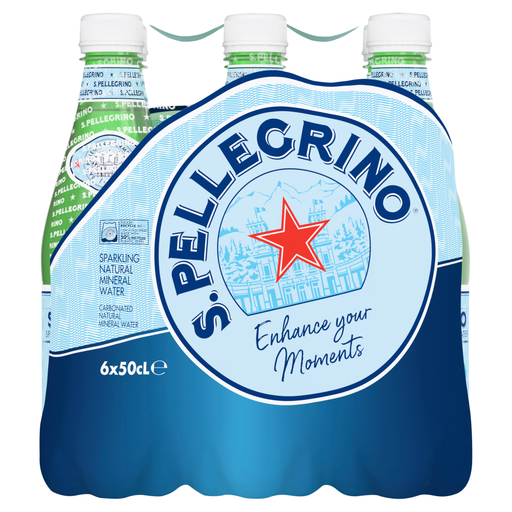
Why This Fits Their Persona: Six 500ml glass bottles suit dinner tables, weekend hosting and shoppers seeking sparkling mineral water with a traditional presentation.
The six-bottle format avoids committing to a very large case before you know whether the mineral profile and carbonation suit your meals.
0 kcal and 0g sugar per 100ml; natural mineral water; 3L total volume across six 0.5L bottles.
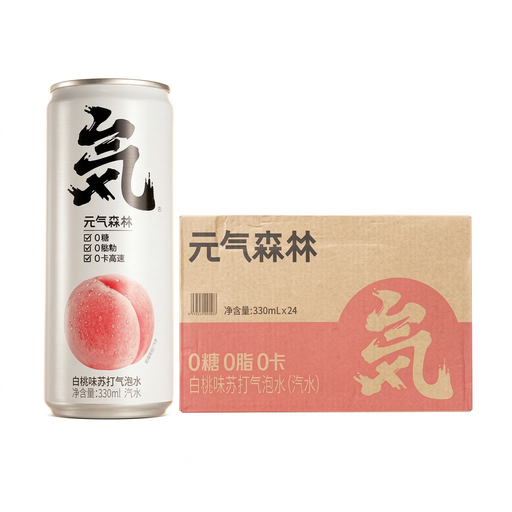
Why This Fits Their Persona: White peach flavour adds variety for households that want a sweet-tasting drink without sugar or calories listed in the nutrition panel.
The listing states 0g sugar and 0 kcal per 100ml, while the ingredients identify the sweeteners used rather than leaving the formulation unclear.
24 x 330ml bottles; white peach flavour; 0g sugar and 0 kcal per 100ml.
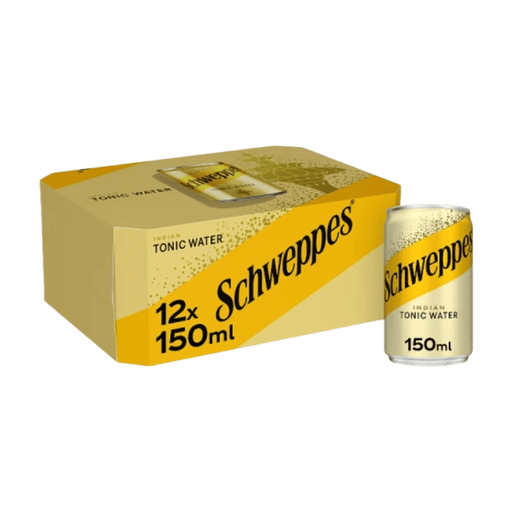
Why This Fits Their Persona: Small cans make measured servings straightforward for gin and tonic, vodka mixers, parties and occasional home entertaining.
The 150ml format reduces the chance of leaving a large bottle open and flat after making one drink. It also makes portion planning easier.
12 x 150ml cans; Indian tonic water with quinine; 21 kcal and 4.9g sugars per 100ml.
We have compiled a complete, real-time list of products that fully satisfy these strict selection criteria and UK safety regulations.
They can offer a lower cost per bottle, but compare the total volume, pack price and delivery cost. A 24-pack of 330ml bottles contains 7.92 litres, while six 500ml bottles contain 3 litres. The lower shelf price is not always the lower price per litre.
Carbonation gradually decreases once a bottle or can is opened. Reseal larger bottles firmly, refrigerate them and consume them promptly. Single-serve cans and bottles help reduce waste when each person wants one portion.
No. Sparkling mineral water is carbonated natural mineral water, while tonic water is a flavoured carbonated soft drink that commonly contains sugar or sweeteners and quinine. Check the nutrition panel and ingredients before choosing between them.