TV snackers swapping a sweet fizzy drink
Plain sparkling water provides fizz without a sweet flavour. If you want a fruit-flavoured drink instead, check whether its sweetness comes with listed sweeteners or sugars from juice.


Choose plain sparkling water if you want a fizzy drink without a sweet flavour. If you prefer fruit flavour, check both the ingredients and the sugars figure: Tesco and Sainsbury's no-added-sugar flavoured drinks list sweeteners, while an M&S juice-led drink lists 6.6 g sugars per 100 g despite its no-added-sugar description. The front-of-pack claim alone does not settle either question.
Plain sparkling water provides fizz without a sweet flavour. If you want a fruit-flavoured drink instead, check whether its sweetness comes with listed sweeteners or sugars from juice.
Read the ingredients as well as the no-added-sugar claim. Tesco's Apple & Raspberry and Sainsbury's Apple & Elderflower examples list sweeteners; M&S says its juice-led Apple & Elderflower drink has no artificial sweeteners, but its nutrition panel lists 6.6 g sugars per 100 g.
If your aim is little or no listed sugar, use the nutrition panel rather than treating “no added sugar” as “no sugar”. Juice-containing drinks can carry a no-added-sugar description and still list sugars.
Start with the flavour you want alongside your snacks, then check the sugars figure and ingredients for the specific drink.
| Priority | What to check | Your needs |
|---|---|---|
| Listed sugars | Read “of which sugars” and its unit. Tesco Groceries lists 0.2 g per 100 ml for its Apple & Raspberry drink; Marks & Spencer lists 6.6 g per 100 g for its juice-led Apple & Elderflower drink. Those units differ, so do not compare the figures as though they share a basis. | I want to know how much sugar the drink lists, not just whether it says “no added sugar”. |
| Sweeteners | Check the ingredients list. Tesco Groceries lists sucralose in its Apple & Raspberry drink; Sainsbury's lists acesulfame K and sucralose in its Apple & Elderflower drink. | Fruit flavour appeals to me, but I want to decide separately whether I'm comfortable with sweeteners. |
| Flavour style | Distinguish plain water from flavoured water and juice-led sparkling drinks. Highland Spring describes its plain sparkling water as having nothing added but bubbles; Marks & Spencer describes its Apple & Elderflower drink as containing over 60% juice. | Do I want just the fizz with my snacks, or a fruit-flavoured drink? If I choose a juice-led option, I'll also check its sugars figure. |
| Serving size | Check the bottle or can size as well as the nutrition unit. Tesco's Apple & Raspberry drink comes in 500 ml bottles, while the San Pellegrino Zero Limonata example comes in 330 ml cans. | For a film or programme, I want to relate the label figures to the amount I expect to drink. |
Juice can contribute sugars to a drink described as having no added sugar. Marks & Spencer lists 6.6 g sugars per 100 g for its Juicy Apple & Elderflower Sparkling Water.
Check “of which sugars” on the nutrition panel when choosing between plain water, flavoured water and a juice-led drink.
Tesco's and Sainsbury's cited no-added-sugar flavoured drinks list sweeteners. A low sugars figure does not answer whether a drink contains them.
Read the ingredients list if avoiding sweeteners matters to you; choose a plain sparkling water if you would rather have fizz without a sweet flavour.
A whole-bottle figure, a per-100-ml figure and a per-100-g figure describe different amounts. Pack sizes also differ between drinks.
Match the units before comparing sugars figures, then consider how much of the drink you expect to have during TV night.
These examples show why the product name, ingredients and nutrition panel matter more than the brand name alone.
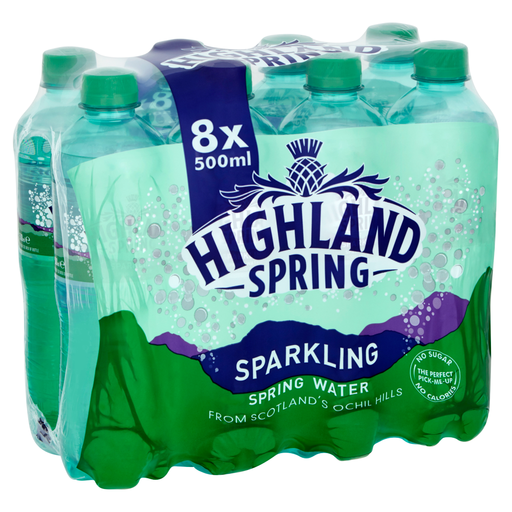
Highland Spring describes its plain sparkling water as water with nothing added but bubbles.
Perrier describes its plain carbonated mineral water as containing no sugar and zero calories.
Tesco's No Added Sugar Apple & Raspberry Sparkling Flavoured Water is a fruit-flavoured soft drink.
Sainsbury's No Added Sugar Apple & Elderflower is a flavoured sparkling-water drink.
The Zero Limonata example is a lemon soft drink, not plain sparkling mineral water.
M&S Juicy Apple & Elderflower Sparkling Water is a juice-led drink described as having no added sugar.
These plain sparkling-water multipacks suit a TV-night choice when you want fizz rather than a sweet-tasting flavoured drink. Check each product's current label if its ingredients or sugars figure are decisive for you.
 No image available
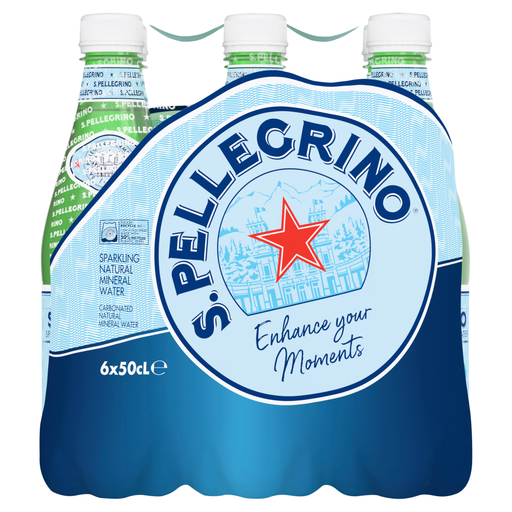
A plain sparkling mineral-water option for a TV-night drink when fruit flavour is not the priority. The pack contains six 500 ml bottles; check the label if a particular fizz level matters to you.
 No image available
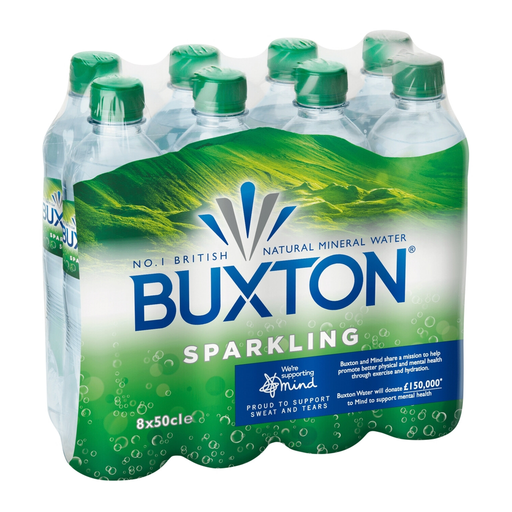
A plain sparkling-water option if you want individual bottles alongside snacks. The pack contains eight 500 ml bottles; check the label if a particular fizz level matters to you.
 No image available
A plain sparkling spring-water option if you would rather have bubbles than a sweet-tasting drink. The pack contains eight 500 ml bottles; check the label if a particular fizz level matters to you.
No. A drink can contain sugars from juice without having sugar added to it. Marks & Spencer describes its Juicy Apple & Elderflower drink as having no added sugar, yet lists 6.6 g sugars per 100 g. Check the nutrition panel for the drink you are buying.
Plain sparkling water is a straightforward option when you want fizz without a sweet flavour. For a flavoured drink, inspect the ingredients: Tesco's cited Apple & Raspberry product lists sucralose, while Sainsbury's Apple & Elderflower product lists acesulfame K and sucralose.
Choose plain sparkling water if bubbles without sweetness appeal to you. If you want fruit flavour, compare the sugars figure and ingredients before choosing: sweetener-containing flavoured water and juice-led sparkling drinks have different ingredient profiles, even when both say “no added sugar”.
Yes, but compare figures expressed in the same unit rather than putting a whole-bottle value beside a per-100-ml value. Also note whether a label gives sugars per 100 ml or per 100 g; the cited M&S juice-led drink uses per 100 g. Then consider the amount you expect to drink.