Families looking for fizz without added sugar
If a child prefers fizzy drinks, plain sparkling water avoids the juice, flavourings and sweeteners found in some flavoured alternatives. Check the school’s lunchbox rules before choosing it.


For a child who likes fizz, plain, unflavoured sparkling water is a straightforward no-added-sugar choice for a packed lunch if the school permits carbonated drinks. Still water remains the simpler everyday choice: the NHS recommends water and milk for children, while Whittington Health NHS Trust identifies plain water and milk as choices between meals. A flavoured drink labelled ‘no added sugar’ may still contain sugars from juice, acids or sweeteners, so check the specific product.
If a child prefers fizzy drinks, plain sparkling water avoids the juice, flavourings and sweeteners found in some flavoured alternatives. Check the school’s lunchbox rules before choosing it.
‘No added sugar’ does not describe the whole recipe. The Sainsbury’s Apple & Elderflower drink lists sweeteners and citric acid; the M&S Apple & Elderflower drink lists sugars from a juice-containing formulation. Compare the exact flavour’s ingredients and nutrition panel.
Still water is a straightforward option when fizz is not important or the school excludes it. The NHS recommends water and milk for children, and Whittington Health NHS Trust identifies plain water and milk as choices between meals.
Choose the type of drink first, then check its label, the school’s rules and whether the container fits the lunch bag.
Consider it: When a child wants fizz and the school allows carbonated drinks.
Bear in mind: It does not replace checking the school’s policy or the child’s preference.
Consider it: When flavour matters and the school allows that particular drink.
Bear in mind: Recipes differ: a no-added-sugar drink can contain juice-derived sugars, acids or sweeteners.
Consider it: When the school excludes fizzy drinks or fizz is not wanted.
Bear in mind: It will not satisfy a preference for carbonation.
| Priority | What to check | Your needs |
|---|---|---|
| Ingredients | Read the full ingredients list. For plain sparkling water, look for water or mineral water and carbonation; flavoured recipes may also list juice, acids or sweeteners. | I want fizz without choosing a fruit-flavoured drink by mistake. |
| Sugars | Compare the sugars figure per 100ml, or the unit printed on the pack, as well as the ingredients. ‘No added sugar’ does not mean ‘sugar-free’: M&S lists 6.6g sugars per 100g for its no-added-sugar Apple & Elderflower drink. | If I choose a flavoured bottle, I want to know what its sugar figure actually refers to. |
| Everyday drink | Decide whether fizz is important. The NHS recommends water and milk for children; Whittington Health NHS Trust identifies plain water and milk as choices between meals. | For a routine school drink, I may prefer still water when carbonation is not needed. |
| School and container | Check the school’s current packed-lunch policy before buying a multipack. Compare individual 500ml containers with larger 1L bottles for the available lunch-bag space. | I need a drink the school accepts in a container my child can carry and use. |
Those labels describe different things. M&S lists 6.6g sugars per 100g for its no-added-sugar Apple & Elderflower drink, while Sainsbury’s Apple & Elderflower lists citric acid and sweeteners.
Check the ingredients and sugars line for the exact flavour. If you want plain sparkling water, choose a product identified as water with carbonation rather than relying on a front-of-pack phrase.
The Department for Education’s cited school-food requirements concern food and drink provided in state-funded schools in England; they do not, on their own, tell you what a particular school allows in a lunchbox brought from home.
Read the school’s current packed-lunch policy before buying a multipack. Choose still water for school if that policy excludes fizzy drinks.
A 1L bottle takes more lunch-bag space than an individual 500ml container. That difference matters when choosing between otherwise similar plain sparkling waters.
Check the size of each bottle or can, not just the multipack quantity, and consider where the drink will be used.
Plain sparkling water may meet a preference for fizz, but still water remains an option when carbonation is unnecessary. The NHS recommends water and milk for children, and Whittington Health NHS Trust identifies plain water and milk as choices between meals.
Decide whether the child wants fizz and whether the school permits it before choosing sparkling water for regular lunches.
These examples show why the product and flavour matter more than the brand name alone; they do not indicate which ranges are available on Joybuy.
The manufacturer lists plain sparkling spring water in a 500ml bottle as well as larger formats.
Its plain sparkling mineral water and Sanpellegrino’s flavoured Zero Added Sugar drinks are distinct choices.
The Tesco listing for the reviewed 1L product describes plain sparkling natural mineral water.
The reviewed own-label sparkling mineral water comes as six individual 500ml bottles.
The reviewed Apple & Elderflower product is a no-added-sugar flavoured sparkling-water drink, not plain sparkling water.
Its reviewed flavoured sparkling drinks have different formulations.
These are plain sparkling-water options for a child who likes fizz, subject to the school’s packed-lunch policy. Compare the individual container sizes: the 1L bottles may be more convenient for use at home than for one lunch bag.
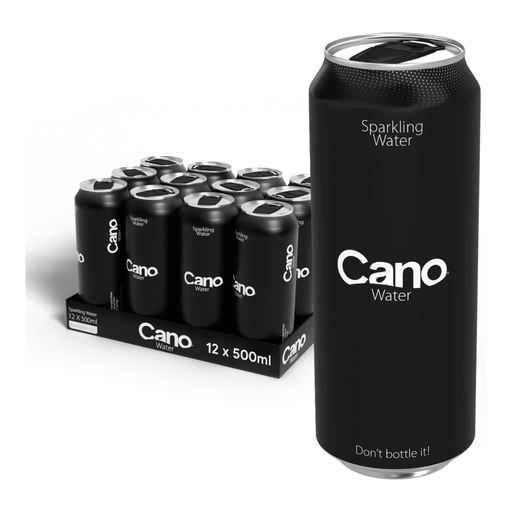 No image available
Consider this format if an individual resealable sparkling-water container suits the lunch bag and the school permits fizz. The pack is listed as 12 × 500ml; check the product label if a particular ingredients or sugars declaration matters to you.
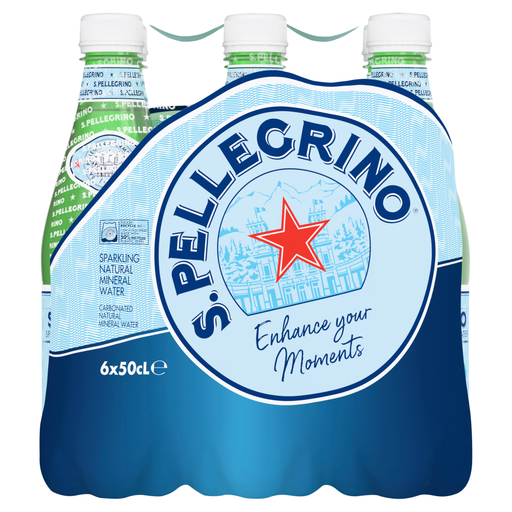 No image available
This is an individual-bottle plain sparkling-water option if the school allows fizzy drinks. The Joybuy listing gives natural mineral water and carbon dioxide as ingredients, 0g sugars per 100ml and six 500ml bottles.
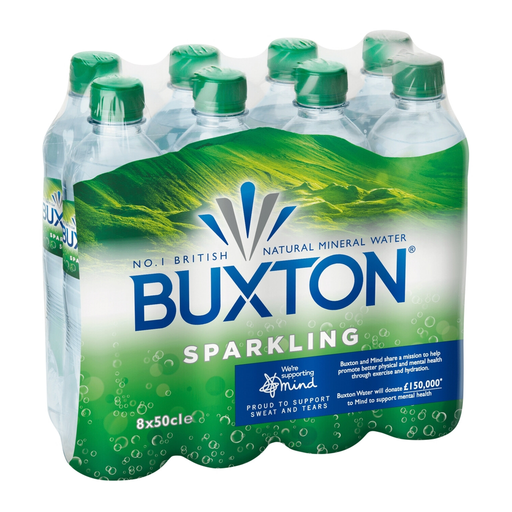 No image available
The 500ml format is worth considering when a single container needs to fit a lunch bag and fizz is allowed at school. The pack contains eight 500ml bottles; check its label for the exact ingredients and nutrition declaration.
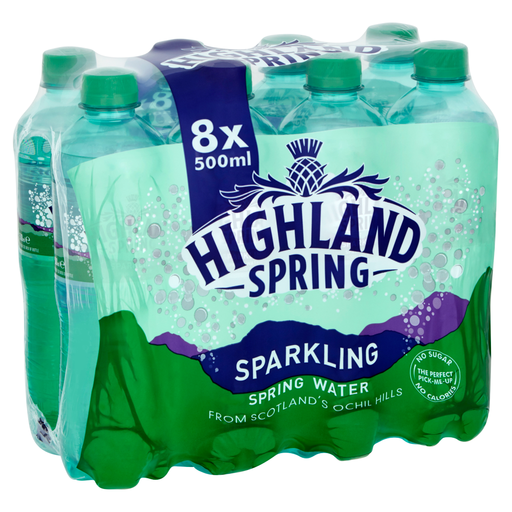 No image available
This offers individual bottles for a child who wants plain sparkling water, provided the school permits it. The Joybuy listing identifies eight 500ml bottles and gives the ingredients as naturally sourced water only; check the pack’s nutrition panel if you need a specific sugars figure.
 No image available
The larger bottles may suit use at home when a 1L container would take too much room in one lunch bag. This plain sparkling mineral-water multipack contains six 1L bottles; check this variant’s own label rather than applying figures from the 500ml listing.
Check the school’s current written packed-lunch policy or ask the school before buying it for lunches. The Department for Education’s cited requirements apply to food and drink provided in state-funded schools in England; they do not establish what an individual school permits in a lunchbox brought from home.
No. Sanpellegrino says its Zero Added Sugar fruit drinks contain naturally occurring sugar, and M&S lists 6.6g sugars per 100g for its no-added-sugar Apple & Elderflower drink. Read the sugars figure and ingredients for the exact product.
Look for a product identified as plain water or mineral water with carbonation, then check its own ingredients and nutrition panel. For example, the Joybuy listing for San Pellegrino 6 × 0.5L specifies natural mineral water and carbon dioxide, with 0g sugars per 100ml.
Still water is a straightforward everyday choice when flavour or fizz is not needed. The NHS recommends water and milk for children, while flavoured no-added-sugar drinks need product-by-product checks: the reviewed Sainsbury’s drink contains acid and sweeteners, and the reviewed M&S Apple & Elderflower drink contains sugars from a juice-containing formulation.
An individual 500ml container takes less space than a 1L bottle, so compare the size of each bottle or can rather than just the multipack count. Check that the child can use the chosen container and that the school allows the drink.