For children’s school-day drinks, choose still water or milk as the routine option: the NHS identifies these as the best drinks for children and advises against fizzy drinks for babies and young children because they are acidic. For older students and adults who want fizz instead of a sugary soft drink, plain sparkling water offers a straightforward choice; if flavour matters, compare the exact product’s sugars, sweeteners and ingredients rather than relying on a front-of-pack claim.
Who is choosing the drink?
Age and drinking routine matter as much as whether the bottle says plain, flavoured or sugar-free.
Parents choosing drinks for children
For a drink that may be sipped throughout the school day, start with still water or milk. The NHS recommends these for children and says fizzy drinks should not be given to babies and young children because their acidity can damage tooth enamel.
Older students replacing sweet fizzy drinks
Plain sparkling water and flavoured varieties offer different tastes and formulations. Compare sugars per 100ml with the ingredients list: a no-added-sugar drink may still contain juice, acids or sweeteners.
Adults planning school-term drinks
If you prefer fizz to still water, consider where you will drink it before choosing individual bottles or a larger pack. For flavoured water, check the particular product rather than assuming all varieties have the same sugar or sweetener content.
What should you check?
Choose the drink for the person who will have it, then compare its formulation and pack format. A sugar claim does not settle the question of age suitability or acidity.
Still water or milk for children
Choose when: You need a routine school-day drink for a child; the NHS identifies water and milk as the best choices for children.
Trade-off: Neither gives the fizz that may appeal to someone replacing a sweet soft drink.
Plain sparkling water
Choose when: An older student or adult wants fizz without choosing a sweet flavoured drink.
Trade-off: Carbonation makes sparkling water acidic; Highland Spring, for example, states a pH of 4 to 5 for its sparkling water.
Flavoured sparkling water
Choose when: An older student or adult wants fruit flavour as well as fizz.
Trade-off: Formulations differ: Tesco lists juice concentrate and sucralose in one no-added-sugar variety, while S.Pellegrino describes Essenza as containing no sugars or sweeteners.
| Priority |
What to check |
Your needs |
| Sugars |
Read sugars per 100ml and, where shown, per bottle or serving. Check whether a no-added-sugar variety contains fruit juice. |
I want fizz instead of a sugary soft drink, but I need to know what is in the whole bottle I plan to take. |
| Age and acidity |
Consider the drinker’s age and whether the drink will be sipped repeatedly. The NHS advises against fizzy drinks for babies and young children because they are acidic. |
For a young child’s regular drink, I would choose still water or milk rather than treat a sugar-free fizzy drink as interchangeable with still water. |
| Flavour and ingredients |
Compare the ingredient list for sweeteners, fruit juice and acids. Tesco’s Apple & Raspberry variety lists sucralose and citric acid; S.Pellegrino describes Essenza as having no sweeteners. |
Fruit flavour appeals to me, but I want to choose whether that flavour comes with a sweetener. |
| Pack format |
Check bottle size, the number of bottles and whether the container suits where it will be used. Confirm any school rules on drinks and containers. |
A single bottle might suit a day away from home; for drinks kept at home, I may prefer a different pack format. |
Common buying mistakes
-
Reading “no added sugar” as “plain and unsweetened”
Those descriptions are not interchangeable. Tesco Groceries lists 0.2g sugars per 100ml in its No Added Sugar Apple & Raspberry sparkling water, along with juice concentrate, citric acid and sucralose.
If you want an unflavoured drink, choose a plain variety. For a flavoured one, read both the nutrition panel and ingredients list.
-
Assuming zero sugar makes a fizzy drink suitable for young children
The NHS says fizzy drinks are acidic and should not be given to babies and young children because they can damage tooth enamel. It also does not recommend diet or reduced-sugar drinks for that age group.
Use still water or milk as the routine choice for young children rather than relying on a sugar-free claim.
-
Overlooking acidity in plain sparkling water
Plain sparkling water is still fizzy. Highland Spring states that adding carbon dioxide gives its sparkling water a pH between 4 and 5.
If frequent sipping or dental erosion is a concern, choose still water for that routine and seek individual dental advice where needed.
Brand and product-line references
These examples show why the exact product line matters: plain water, flavoured water and no-added-sugar drinks can have different ingredients.
Highland Spring
The brand describes its sparkling water as water from the Ochil Hills with bubbles added and lists 500ml and 1.5L bottles, plus a 6 × 1L multipack.
- A plain sparkling-water option for shoppers who do not want fruit flavour.
- Highland Spring states a pH of 4 to 5 for its sparkling water; do not treat it as equivalent to still water when acidity matters.
S.Pellegrino
Its Essenza line offers flavoured sparkling mineral water that the brand describes as having zero calories, zero sugars and zero sweeteners.
- Essenza is worth checking if you want fruit flavour without a sweetener listed in the brand’s description.
- The Essenza description does not establish the ingredients or nutrition of every S.Pellegrino product; check the exact variety.
Perrier
Perrier describes its carbonated mineral water as sugar-free and calorie-free on its international product page.
- The brand describes both Original and flavoured varieties.
- For a UK pack, check its own label for the ingredients and nutrition of the variety you intend to buy.
Tesco
Tesco Groceries lists a No Added Sugar Apple & Raspberry sparkling flavoured water in a 4 × 500ml pack.
- The listing gives 0.2g sugars and 2kcal per 100ml, allowing a check against the bottle size.
- It contains juice concentrate, citric acid and sucralose; “no added sugar” does not mean no sweetener or no total sugar.
Sainsbury's
Sainsbury's lists both plain sparkling spring water and a Lemon & Lime sparkling flavoured water.
- The separate listings let shoppers distinguish plain water from a flavoured drink.
- Sainsbury's describes its Lemon & Lime variety as no added sugar and containing sweetener; check that variety’s label if sweeteners matter to you.
Joybuy sparkling-water options
These options include individual-bottle packs of plain sparkling water and a green-apple-flavoured case for older students or adults considering a fizzy drink. For children’s routine school-day drinking, the NHS recommends still water or milk; also check any school rules on drinks and containers.
 No image available
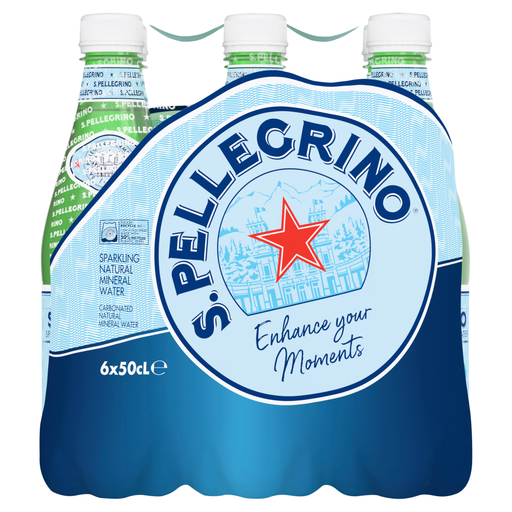
San Pellegrino Sparkling Natural Mineral Water, 6 × 0.5L
A plain sparkling-water option for someone choosing individual bottles instead of a sweet fizzy drink. The pack contains six 0.5L bottles; for a young child’s routine drink, follow the NHS advice to choose still water or milk.
View on Joybuy
 No image available
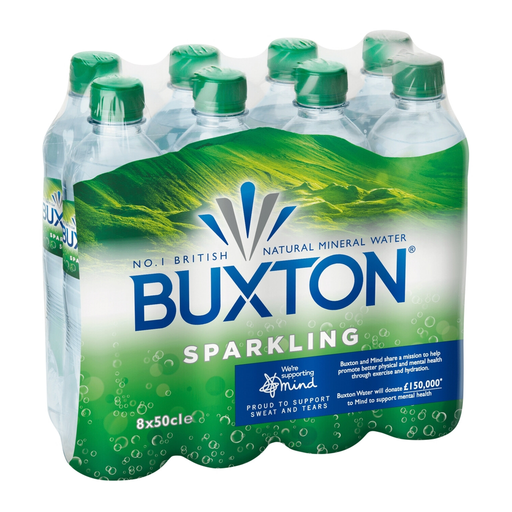
Buxton Sparkling, 8 × 500ml
Consider this plain sparkling option if you want 500ml bottles for drinks away from home. The pack contains eight bottles; check the school’s drink and container rules before packing one.
View on Joybuy
 No image available
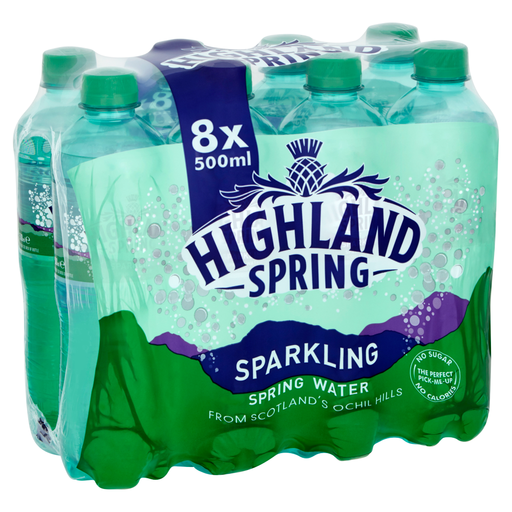
Highland Spring Sparkling Spring Water, 8 × 500ml
This unflavoured sparkling-water pack contains eight 500ml bottles. Highland Spring describes its sparkling water as water with bubbles added and states that the carbonated drink has a pH between 4 and 5; choose still water instead if acidity is central to your drinking routine.
View on Joybuy
 No image available
Cooling Hydration Chi Forest Wang Lin Green Apple, 15 × 480ml
A green-apple-flavoured sparkling-water case for someone who wants flavour and a multi-bottle format. It contains fifteen 480ml bottles; check the pack’s ingredients and nutrition panel if sugars or sweeteners are deciding factors.
View on Joybuy
Questions about school-day drinks
Is sparkling water a suitable everyday school drink for children?
For children’s routine drinks, the NHS recommends water and milk. Sparkling water is fizzy rather than equivalent to still water, and NHS guidance says fizzy drinks should not be given to babies and young children because their acidity can damage tooth enamel. Check the school’s own rules before packing a drink.
Does zero sugar mean flavoured sparkling water has no sweeteners?
No. Check the exact product’s ingredients: Tesco’s No Added Sugar Apple & Raspberry variety contains sucralose, while S.Pellegrino describes Essenza as having zero sugars and zero sweeteners. “No added sugar” and “no sweeteners” answer different label questions.
Should sparkling water replace still water for frequent sipping?
If acidity or dental erosion is a concern, still water is the more cautious routine choice. The NHS warns that fizzy drinks are acidic for babies and young children, and Highland Spring states that its own sparkling water has a pH between 4 and 5.
What matters most on a flavoured sparkling-water label?
Compare sugars per 100ml with the bottle or serving size, then read the ingredients for sweeteners, juice and acids. For example, Tesco Groceries lists 0.2g sugars per 100ml in its No Added Sugar Apple & Raspberry variety and names both sucralose and citric acid.


