Parents packing a school-day drink
For lessons, lunch and the journey to school, start with water. The NHS advises against sugary fizzy drinks for children and suggests sparkling water for people who dislike still water.


For an ordinary school day, choose water; if fizz is the preference, plain sparkling water is a separate option, not a sparkling sports drink. Consider a still sports drink for an exercise-related purpose only after checking the exact product label and the school’s rules for drinks brought from home.
The drink for lessons and lunch need not be the same choice as one considered for after-school training.
For lessons, lunch and the journey to school, start with water. The NHS advises against sugary fizzy drinks for children and suggests sparkling water for people who dislike still water.
An exercise-related drink is a separate decision from the classroom drink. Check whether the activity calls for a sports-drink product, then read its sugar, ingredients and serving information rather than choosing by fizz or branding.
Plain sparkling water offers carbonation without being presented as a sports drink. Check the exact bottle if a flavoured or sweetened variety is being considered.
Choose the drink’s purpose first, then check its format and label. A fizzy drink and a sports drink are not necessarily the same product.
| Priority | What to check | Your needs |
|---|---|---|
| Everyday drinking | Start with water for routine use. If choosing a flavoured drink, read the ingredients and sugars per 100ml and per container. | I’m packing a drink for lessons and lunch, not buying something for training. The NHS recommends water as an everyday hydration choice. |
| Preference for fizz | Check whether the product is plain sparkling water, a sweetened fizzy drink or a sports drink. Read the exact label rather than relying on a search term. | Still water does not appeal to me, but I want to know what the fizzy option actually contains. The NHS suggests trying sparkling water if you dislike still water. |
| Exercise-related use | Check whether the drink is intended for exercise, its carbohydrate and electrolyte information, and whether it is ready to drink or must be mixed. Coca-Cola GB describes Powerade as still; Gatorade UK instructs users to mix its Hydration Booster sachet with 500ml water. | There is training after school, so I’m deciding on that drink separately from the one for class. |
| Container and school rules | Check the container size and the individual school’s rules for drinks brought from home. Department for Education guidance on drinks provided by state-funded schools in England does not itself establish a school’s packed-drink policy. | I need a container that suits the school day and is permitted by the school. |
Carbonation does not establish what else a drink contains. Coca-Cola GB describes Powerade as still, while Tesco lists sparkling water as water.
Decide whether you want an everyday drink, fizz or an exercise-related product, then check the exact product description and label.
ASDA lists 4.1g sugars per 100ml for Powerade Berry & Tropical. That amounts to 20.5g of labelled sugars in a 500ml bottle; labelled sugars and the NHS measure of free sugars are not necessarily identical.
Compare both the per-100ml figure and the amount in the container you intend to use.
Department for Education guidance addresses food and drink provided in state-funded schools in England. It does not establish the rules for a drink a pupil brings to a particular school.
Check that school’s current rules before buying drinks to pack for use on site.
These brand examples help distinguish product types; they do not establish that a particular drink is suitable for every school or activity.
Lucozade lists its Sport range separately from its Energy and Zero ranges. Tesco lists Lucozade Sport Orange and Raspberry in its sports-drinks category.
Coca-Cola GB describes Powerade as a still isotonic sports drink for exercise-related use.
Gatorade UK presents Hydration Booster as a carbohydrate-and-electrolyte powder, rather than a ready-to-drink sparkling beverage.
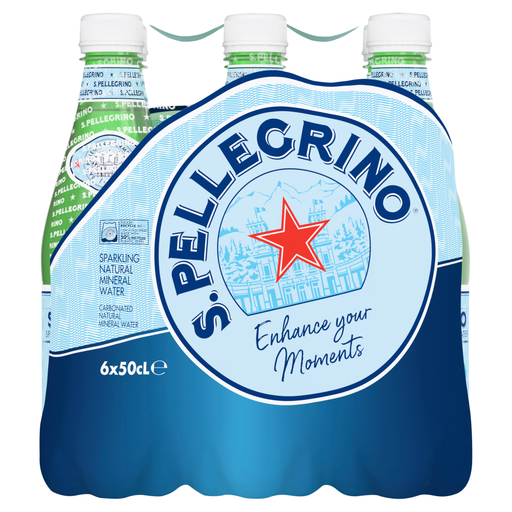
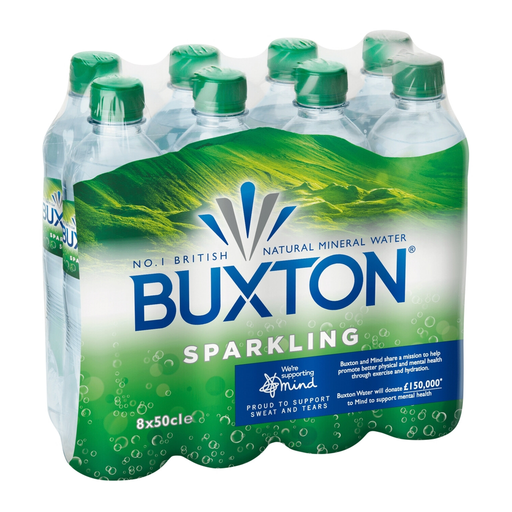
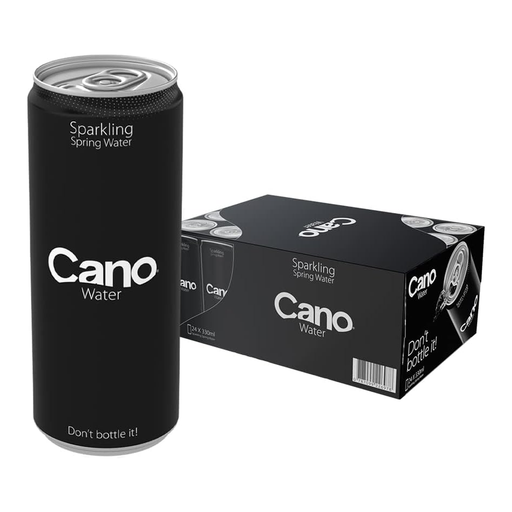
These are sparkling water options for someone who prefers fizz during the school day. They are not presented as sports drinks for after-school exercise; check the exact label and school rules before packing one.
 No image available
A sparkling water option for a pupil who prefers fizz with their routine drink. The title specifies six 0.5L bottles; check the label and the school’s container rules before packing one.
 No image available
A sparkling water option for routine drinking rather than an exercise-related sports drink. The product title specifies 8 x 500ml; confirm the pack details and label when choosing.
 No image available
A sparkling water option for someone choosing fizz instead of a sports-drink product. The title specifies 24 x 330ml ring-pull containers; check whether that format is permitted at school.
No. For ordinary school-day drinking, start with water. If the preference is for fizz, the NHS suggests sparkling water for people who dislike still water; check the label rather than assuming a fizzy drink is a sports drink.
Coca-Cola GB describes Powerade as a still isotonic sports drink. ASDA also labels its Berry & Tropical product as still, so that product will not meet a preference for fizz.
The amount consumed depends on the bottle size, not just the per-100ml figure. ASDA lists 4.1g sugars per 100ml for Powerade Berry & Tropical, which works out to 20.5g of labelled sugars in its 500ml bottle; check the exact variant and container you are buying.
Gatorade UK instructs users to mix one Hydration Booster sachet with 500ml water and does not specify carbonated water. Choose it as a powder to prepare, not on the assumption that it is a ready-to-drink sparkling product.