Guests avoiding sweeteners
Put out plain sparkling water rather than assuming a flavoured no-added-sugar drink is unsweetened. The Tesco and Sainsbury’s flavoured examples list sweeteners in their ingredients.


Choose plain sparkling water when you want an unsweetened option alongside the party drinks. For fruit flavour, check both the ingredients and the sugars declaration: the Tesco and Sainsbury’s flavoured examples list sweeteners, while M&S’s juice-led apple-and-elderflower drink has no artificial sweeteners but still contains sugars. A mix of pouring bottles and individual servings can accommodate different ways guests will use the drinks table.
Start with whether guests want plain water, a sweetened fruit flavour or a juice-led drink; the same no-added-sugar wording does not make those drinks alike.
Put out plain sparkling water rather than assuming a flavoured no-added-sugar drink is unsweetened. The Tesco and Sainsbury’s flavoured examples list sweeteners in their ingredients.
Offer plain water alongside a clearly labelled fruit-flavoured option. A pouring bottle can sit at the drinks table, while smaller servings let guests help themselves.
Look beyond the no-added-sugar claim to the ingredients and sugars declaration. The M&S apple-and-elderflower example is juice-led and contains no artificial sweeteners; the cited Tesco and Sainsbury’s flavoured waters use sweeteners.
Choose it when: guests want bubbles without a fruit flavour or sweeteners; Highland Spring describes its sparkling water as having nothing added but bubbles.
Bear in mind: it will not provide the fruity taste some guests may want.
Choose it when: you want a fruity no-added-sugar option and guests are comfortable with sweeteners; the cited Tesco and Sainsbury’s drinks list them.
Bear in mind: no added sugar does not mean unsweetened, so keep a plain option for guests avoiding sweeteners.
Choose it when: a fuller apple-and-elderflower flavour matters more than keeping total sugars to a minimum; M&S describes its example as containing over 60% juice and no artificial sweeteners.
Bear in mind: a no-added-sugar claim does not remove sugars from juice ingredients.
| Priority | What to check | Your needs |
|---|---|---|
| Sweeteners | Read the ingredients, not just the no-added-sugar claim. The cited Tesco drink lists sucralose; Sainsbury’s lists sucralose and acesulfame K. | I want guests who avoid sweeteners to have a clearly identifiable plain-water choice. |
| Total sugars | Compare the 'of which sugars' declaration on the same basis, such as per 100ml or per 100g. Check whether fruit juice appears in the ingredients. | If total sugars matter to me, a no-added-sugar claim alone will not answer the question for a juice-led drink. |
| Serving format | Match bottle or can size to pouring or self-service. Check the pack quantity as well as the size of each container. | For a drinks table, I may want larger bottles to pour from and smaller, unopened servings for guests to take away. |
| Current label | Check the pack’s ingredients, nutrition declaration and any dietary information before serving, particularly when a guest has a strict requirement. | I need the drink I put out to match the label guests will actually read. |
The cited Tesco and Sainsbury’s flavoured waters list sweeteners, which matters if a guest prefers to avoid them.
Read the ingredient list and include plain sparkling water as a separate choice.
A juice-led drink can contain sugars without having added sugar. The NHS notes that sugars in unsweetened fruit juices count as free sugars.
Compare the sugars declaration per 100ml or per 100g and check how much of the drink is juice.
A large bottle works for pouring, but guests helping themselves may prefer individual containers.
Plan which drinks will sit on the table and which will be offered as unopened servings.
Ingredients and nutrition information can change, which is particularly important when choosing for a strict dietary requirement.
Check the physical pack’s ingredients, nutrition panel, allergen information and best-before date before serving.
These examples show how plain, sweetened flavoured and juice-led drinks can differ; check the exact product rather than applying one label to an entire brand.
Its plain sparkling-water range is relevant when you want a neutral drink for the table or individual servings.
Its original carbonated mineral water offers a plain option in several serving formats.
Its sparkling natural mineral water is an option when a glass bottle for pouring at the table suits the event.
Its cited apple-and-raspberry sparkling flavoured water is a no-added-sugar fruit-flavoured option in a 4 x 500ml pack.
Its cited no-added-sugar apple-and-elderflower sparkling water comes in a 1L bottle for pouring.
Its cited apple-and-elderflower sparkling drink is a juice-led no-added-sugar option rather than plain or sweetener-containing flavoured water.
These Joybuy options are plain sparkling waters in individual-serving or larger pouring formats. For a fruit-flavoured drink, use the ingredient and nutrition checks above to choose a separate option.
 No image available
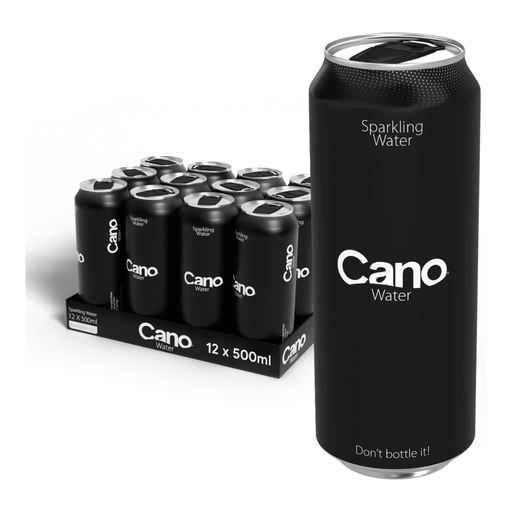
The 12 resealable 500ml containers provide individual plain sparkling-water servings for guests helping themselves.
 No image available
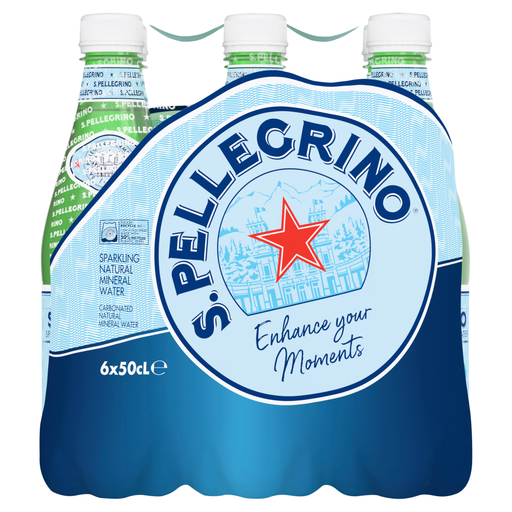
Six 0.5L bottles provide smaller servings of plain sparkling mineral water for a self-serve drinks table.
No image available
The six 1L bottles are a larger plain mineral-water format for pouring at a garden-party drinks table.
 No image available
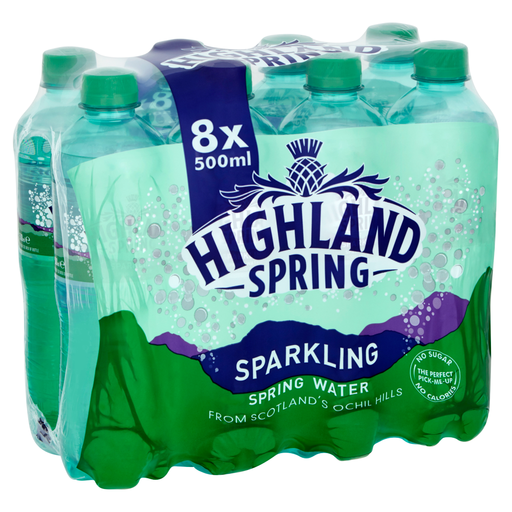
Eight 500ml bottles offer individual servings of plain sparkling spring water. Check the current pack’s nutrition panel if you need a stated sugars value.
 No image available
Six 1L bottles provide a plain sparkling-water format for pouring. Check the current pack’s nutrition panel if a stated sugars value matters to your choice.
No. The claim does not tell you that total sugars are zero: a drink containing fruit juice can still declare sugars. Check the nutrition panel and ingredients on the particular pack.
No. The cited Tesco and Sainsbury’s flavoured sparkling waters list sucralose, and the Sainsbury’s example also lists acesulfame K. If you want to avoid sweeteners, check the ingredients and provide plain sparkling water as an option.
Larger bottles suit pouring, while smaller containers suit guests helping themselves. For example, Highland Spring lists 500ml, 1.5L and 6 x 1L formats; choose the mix that fits how you plan to serve drinks.
Read the current pack’s ingredients and nutrition declaration. The no-added-sugar wording alone will not tell guests whether the drink contains sweeteners or how much sugar it declares.
No. A juice-led drink offers a different flavour and can contain sugars from its juice ingredients. The NHS notes that sugars in unsweetened fruit juices count as free sugars, so compare the ingredients and sugars declaration if that distinction matters to you.