
24/7 Customer Support

Free returns

Same-day & Next-day Delivery

Quality Guaranteed

Unlock Your Welcome Offers: FREE Delivery | Up to 80% OFF | Free 30-day JoyPlus trial
Download the APP
As more of us move away from sugary soft drinks, the world of sparkling water has expanded dramatically. What was once a simple choice between still or sparkling has become a complex aisle filled with flavoured sparkling water, sparkling mineral water and a host of other healthy fizzy drinks. While the variety is welcome, it also brings a few common pitfalls that can lead to a disappointing purchase.
As the Joybuy Product Recommendation Officer, my role is to help you navigate this market. Let's cut through the marketing clutter and focus on what truly matters, ensuring your next sip is as refreshing and satisfying as you expect.
To avoid these traps, focus on a few core parameters. A quick check of the label can tell you everything you need to know.
The foundation of any good sparkling water is the water itself. Understanding the terminology is key to finding a product that matches your preference for taste and purity.
For those who enjoy flavoured sparkling water, the ingredients list is your most important tool.
How your water is packaged affects sustainability, convenience and even taste.
To help you choose, we've matched some excellent options to different consumer profiles, based on the practical criteria discussed above.
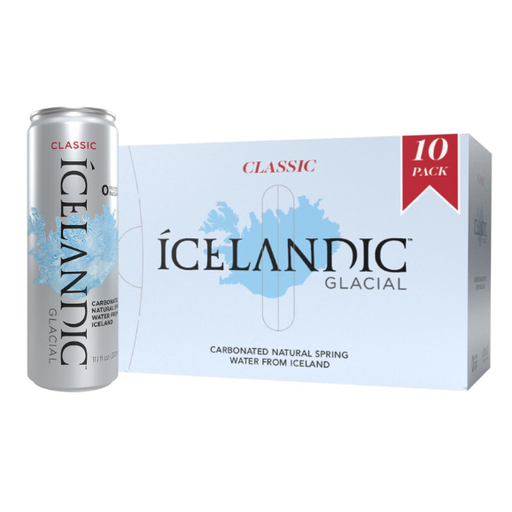
Why This Fits Their Persona: This user prioritises an exceptionally clean, crisp taste directly from a pristine source. They appreciate water with a low mineral content (TDS) and natural alkalinity for a smooth palate, making it ideal for pairing with food or enjoying on its own.
It sidesteps the "ambiguous origin" trap by clearly stating its source: the ?lfus Spring in Iceland. It is an unflavoured, unsweetened sparkling mineral water, ensuring absolute purity without any additives.
Exceptionally low mineral content (TDS of 62 ppm) for a clean, non-metallic taste. Naturally alkaline pH of 8.4. Packaged in recyclable aluminium cans.
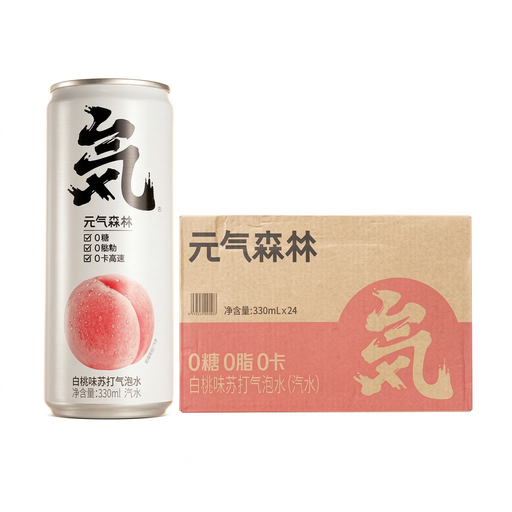
Why This Fits Their Persona: This person seeks a genuinely tasty, fruit-forward fizzy drink without the sugar, calories or guilt. They want a refreshing daily beverage that delivers a satisfying flavour experience and avoids the chemical aftertaste of some diet drinks.
It avoids the "hidden sweetener" trap by using a blend of Erythritol and Steviol Glycosides, known for providing sweetness without a strong aftertaste. The use of white peach juice concentrate ensures a more authentic flavour than generic "flavourings."
Zero sugar, zero calories and zero fat. Delivers a distinct and popular white peach flavour. Available in a large 24-can multipack for convenience.
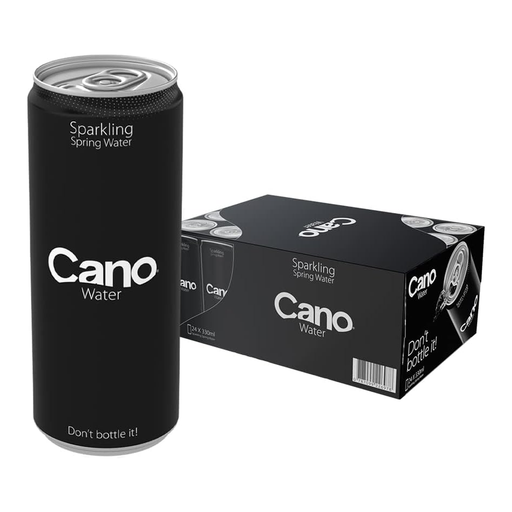
Why This Fits Their Persona: This consumer makes purchasing decisions with sustainability in mind. They prefer to support UK-based brands, avoid single-use plastics and choose packaging that is genuinely recyclable. They buy in bulk for home stocking.
This product directly addresses the packaging dilemma by using infinitely recyclable aluminium cans. As a UK-sourced spring water, it offers transparency of origin and a lower carbon footprint for UK residents compared to imported alternatives.
Sourced from UK springs. Packaged in highly recyclable aluminium cans, which also keep the water cooler for longer. The 24-can multipack is ideal for stocking up.
We have compiled a complete, real-time list of products that fully satisfy these strict selection criteria and UK safety regulations.
Yes. From a hydration perspective, plain sparkling water is considered to be just as effective as still water. The carbonation does not reduce its ability to hydrate your body.
Plain, unflavoured sparkling water is only minimally more acidic than still water due to the carbonic acid formed during carbonation. The risk to tooth enamel is very low. The concern increases with flavoured varieties that contain added citric acid and sugars, but they remain a significantly better choice for dental health than traditional sugary fizzy drinks.
The main difference lies in the source and additives. Sparkling mineral water is sourced from a natural spring or well and contains naturally occurring minerals; its carbonation can be natural or added. Club soda, on the other hand, is water that has been artificially carbonated and has had mineral-like compounds (such as potassium bicarbonate or sodium citrate) added for taste.