
24/7 Customer Support

Free returns

Same-day & Next-day Delivery

Quality Guaranteed

Unlock Your Welcome Offers: FREE Delivery | Up to 80% OFF | Free 30-day JoyPlus trial
Download the APP
Buying sparkling wine online should be straightforward, but attractive labels and vague tasting language can make comparison difficult. A bottle described as “luxurious”, “premium” or “perfect for celebrations” may not suit your taste, budget or occasion.
This guide focuses on the details that matter when comparing Prosecco, Champagne, Cava, rosé sparkling wine, English sparkling wine and alcohol-free alternatives. It also highlights practical options available for UK adults aged 18 and over.
“Dry” does not always mean the same thing across wine styles. Brut sparkling wine generally contains less sugar than Extra Dry or Demi-Sec styles, although the exact residual sugar level can vary within permitted categories.
For example, Extra Dry Prosecco can taste softer and slightly sweeter than a Brut Prosecco. If you prefer a crisp, restrained style, check the wording on the label rather than relying on the word “dry” in a product title.
Champagne, Cava and some English sparkling wines use the traditional method, where the second fermentation takes place in the bottle. This can contribute to bready, toasty or nutty flavours, particularly when the wine has spent time ageing on lees.
Prosecco is commonly made using the Charmat method, with the second fermentation taking place in a tank. This often preserves fresh orchard-fruit and floral notes. Neither method automatically guarantees that a wine will suit every palate; the method should be matched with the flavour profile you want.
A distinctive bottle can make an appealing sparkling wine gift, but packaging is not a substitute for checking the wine’s origin, style, alcohol content and serving guidance. A decorative bottle may suit gifting, while a simpler 75cl bottle may offer better practicality for a dinner or larger gathering.
The name on the label can indicate legally defined production rules:
Origin affects flavour, production requirements and price, so it is useful when comparing like-for-like bottles.
Check both the sweetness category and alcohol by volume (ABV). A standard 75cl bottle may contain around 8–9 UK alcohol units at approximately 11–12% ABV, although lower-alcohol Asti and alcohol-free sparkling wine differ considerably.
The UK Chief Medical Officers’ low-risk drinking guideline advises adults not to regularly exceed 14 units per week. Alcohol-free products may contain a small amount of alcohol, so read the label carefully. For instance, Fine Sparkling Nozeco Rosé is listed at less than 0.5% ABV.
A 75cl sparkling wine bottle usually provides around six 125ml glasses, depending on pouring size. Store unopened bottles in a cool, dark place away from direct sunlight and temperature changes. Chill to approximately 6–8°C before serving unless the product label advises otherwise.
Sparkling wine is under pressure. Do not shake the bottle, point it towards people when opening, and use a sparkling wine stopper before refrigerating leftovers. Opened bottles are generally most enjoyable within one to three days; alcohol-free Nozeco advises sealing and consuming within seven days.

Why This Fits Their Persona: A practical 75cl Prosecco for first-time buyers, casual hosting and light meals, with an 11% ABV and a fresh, dry profile.
The Brut classification gives a clearer indication of a drier style than relying on vague “light” or “refreshing” wording.
Made from Glera grapes in Veneto; suitable for vegetarian and vegan shoppers according to the supplied product information.
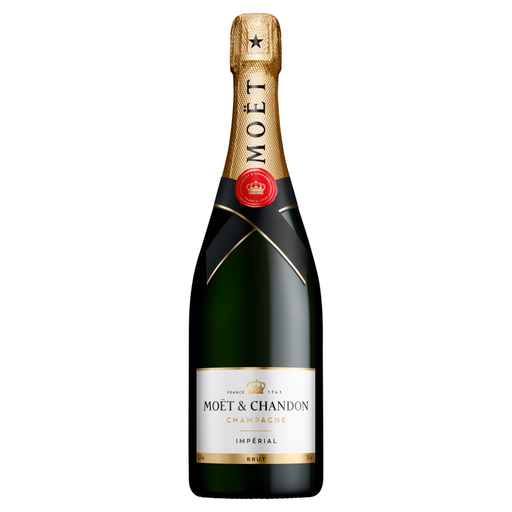
Why This Fits Their Persona: A Champagne option for milestone celebrations, formal entertaining or a considered sparkling wine gift.
The product is identified by its Champagne origin, Brut style and 75cl format rather than packaging language alone.
12% ABV; blend of Pinot Noir, Pinot Meunier and Chardonnay; supplied details describe apple, citrus, white-flower and toasted notes.

Why This Fits Their Persona: A rosé option for guests avoiding standard alcohol, designated drivers or occasions where a bottle needs to suit mixed preferences.
The listing clearly states less than 0.5% ABV, helping shoppers distinguish an alcohol-free drink from conventional rosé sparkling wine.
Vegan-certified according to the supplied information; 20 kcal per 100ml and a rose-coloured presentation.
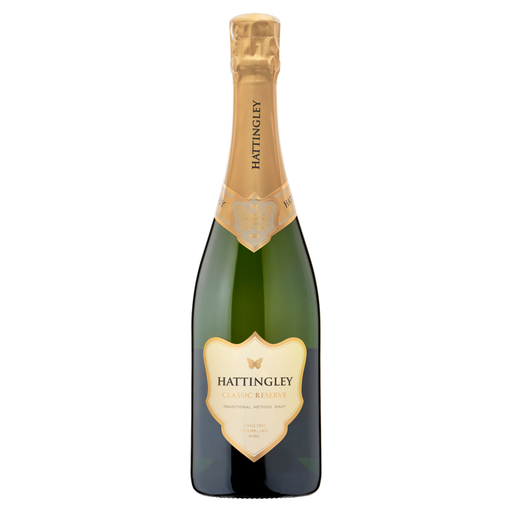
Why This Fits Their Persona: A Hampshire-made English sparkling wine for shoppers who want a traditional-method bottle with a local UK connection.
The listing identifies its Hampshire origin, non-vintage format and traditional method, giving more useful context than generic premium wording.
12% ABV; Chardonnay, Pinot Noir and Pinot Meunier blend; listed as suitable for vegetarians and vegans.
We have compiled a complete, real-time list of products that fully satisfy these strict selection criteria and UK safety regulations.
No. Prosecco and Champagne come from different regions and commonly use different production methods. Prosecco is associated with Veneto and Glera grapes, while Champagne must come from France’s Champagne region and is generally made using the traditional method.
For the freshest bubbles, drink it within one to three days and keep it refrigerated with a suitable sparkling wine stopper. Alcohol-free sparkling wine may have different instructions, so follow the product label.
Not necessarily. Some products labelled alcohol-free contain a small amount of alcohol, often below 0.5% ABV. Check the stated alcohol percentage if you need to avoid alcohol completely or are buying for a specific dietary or personal requirement.