
24/7 Customer Support

Free returns

Same-day & Next-day Delivery

Quality Guaranteed

Unlock Your Welcome Offers: FREE Delivery | Up to 80% OFF | Free 30-day JoyPlus trial
Download the APP
Navigating the world of sparkling wine can feel overwhelming. With shelves and websites filled with bottles from across the globe, it is easy to make a quick choice that leads to disappointment. Whether you are planning a special toast or simply want a bottle of fizz for the weekend, a few common slip-ups can stand between you and the perfect pour.
As the Joybuy Product Recommendation Officer, my role is to help you sidestep these issues. Many shoppers find themselves caught out by confusing labels or paying a premium for features they do not fully understand. Let's look at the most frequent pitfalls:
By understanding a few core principles, you can shop with confidence and find a bottle that truly suits your needs.
Before adding a bottle to your basket, focusing on three key parameters will ensure you get exactly what you want. These are not marketing buzzwords but the fundamental characteristics that define the taste, quality and style of any sparkling wine.
The way a sparkling wine gets its fizz has a significant impact on its taste and texture. There are two primary methods you will encounter:
The sweetness of a sparkling wine is determined by the amount of sugar added after the second fermentation, a step known as 'dosage'. Here is a simple guide, from driest to sweetest:
The wine's origin tells you a lot about its expected character:
Instead of a generic list, we have matched some excellent options to specific needs, helping you find the right bottle for any occasion.
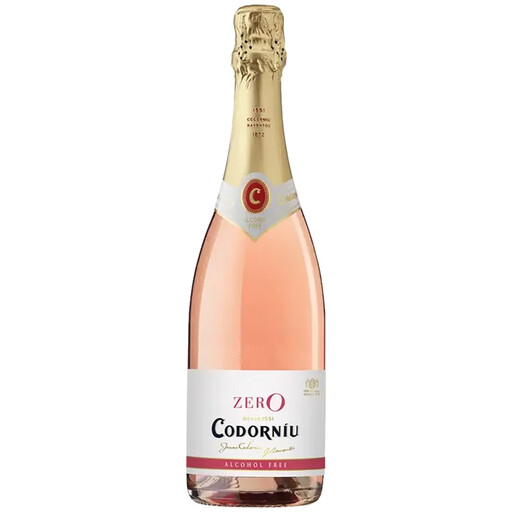
Why This Fits Their Persona: This host wants everyone to feel included with a high-quality celebratory drink, regardless of whether they consume alcohol. This is a sophisticated alcohol-free prosecco alternative from a historic Spanish producer, ensuring no one feels like they are getting a lesser option.
It directly counters the "alcohol-free compromise" by being made from dealcoholised wine, not just juice. This process retains the complex red fruit aromas and structure, offering a genuine wine experience.
Offers enticing aromas of strawberry and cherry. As a sparkling rosé, its elegant colour and flavour profile make it perfect for toasts and pairing with appetisers or desserts.
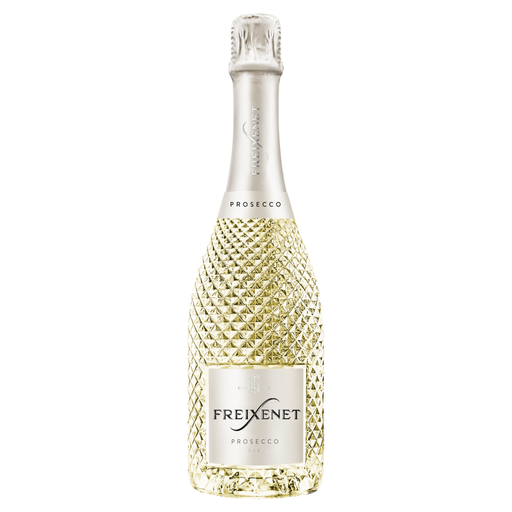
Why This Fits Their Persona: This person needs a reliable, crowd-pleasing celebration wine that looks the part without a hefty price tag. This Prosecco is from a trusted brand and offers excellent value, making it ideal for parties, weddings or stocking up when you find good prosecco deals.
It avoids the "method misconception" by being a proud Prosecco, not an imitation. Its fresh, fruity Tank Method character is exactly what guests expect from this style, preventing any disappointment.
The distinctive cut-glass bottle gives it a premium appearance. It has a light, refreshing profile with notes of green apple and grapefruit that pairs well with a wide range of canapés and light dishes.
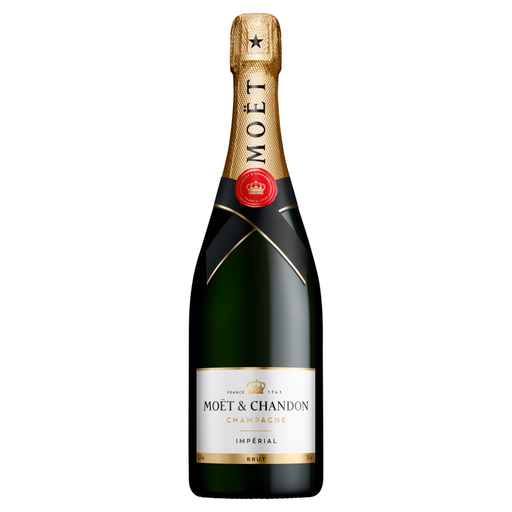
Why This Fits Their Persona: For milestone birthdays, anniversaries or corporate gifts, this person seeks an iconic and respected name. Mo?t & Chandon is globally recognised, making it a safe and impressive choice that conveys quality and prestige without needing to explain the label.
This is the benchmark that other sparkling wines are measured against. As a classic BrutChampagne, it delivers the expected dry, complex profile, completely avoiding any sweetness confusion.
It offers a harmonious blend of three grapes, resulting in a balanced palate of crisp green apple, citrus and hints of brioche. Its iconic status makes it a universally appreciated gift.
We have compiled a complete, real-time list of products that fully satisfy these strict selection criteria and UK safety regulations.
The primary differences are the country of origin, the grapes used and the production method. Prosecco is from Italy, made with Glera grapes using the Tank Method, which gives it a fresh, fruity and floral character. Cava is from Spain, made with native Spanish grapes using the Traditional Method (the same as Champagne), which results in finer bubbles and more complex, toasty and citrus notes.
Once opened, a bottle of sparkling wine will lose its carbonation quickly. To preserve the bubbles for as long as possible, you should use a specialised sparkling wine stopper that creates an airtight seal. With a good stopper, a bottle can last in the fridge for 2 to 3 days. Without one, it will likely be flat within a day.
Not necessarily. Price is often influenced by the production method, region, brand reputation and ageing. A high-priced Champagne reflects the costly and time-consuming Traditional Method and the prestige of its region. However, an excellent Prosecco or Cava at a lower price point can be a superior choice if you prefer their specific flavour profiles. The "better" wine is the one that best suits your personal taste and the occasion.