
24/7 Customer Support

Free returns

Same-day & Next-day Delivery

Quality Guaranteed

Unlock Your Welcome Offers: FREE Delivery | Up to 80% OFF | Free 30-day JoyPlus trial
Download the APP
Navigating the world of sparkling wine can feel overwhelming. With shelves and online stores filled with bottles from Champagne, Prosecco and Cava to lesser-known gems, it's easy to make a choice you later regret. As a Joybuy Product Recommendation Officer, my role is to help you sidestep common purchasing mistakes and find the perfect bottle for your occasion and budget. Many shoppers fall into a few predictable traps, often paying too much for a name or choosing a style that doesn't match their taste.
Here are the key pitfalls to be aware of when you next buy prosecco online or browse for a bottle of bubbly:
To avoid these traps, focus on a few core factors that genuinely define the wine in the bottle. Understanding these will empower you to choose with confidence, whether you're looking for champagne deals or a simple bottle for a weekend treat.
The way a sparkling wine gets its fizz has a huge impact on its taste and texture. There are two main methods you'll encounter:
Neither method is inherently "better"; they simply produce different styles of wine. If you enjoy crisp, fruity notes like green apple and pear, the Tank Method is your friend. If you prefer richer, more complex flavours, look for wines made with the Traditional Method.
Getting to grips with the sweetness scale is crucial for finding a wine you'll love. Here’s a simple breakdown, from driest to sweetest:
For general-purpose party drinks or an aperitif, Brut is a reliable choice. For something a little softer and more fruit-forward, Extra-Dry is an excellent option.
Instead of providing a generic list, we've matched some standout options to specific needs and occasions, helping you find the right fit for your lifestyle.
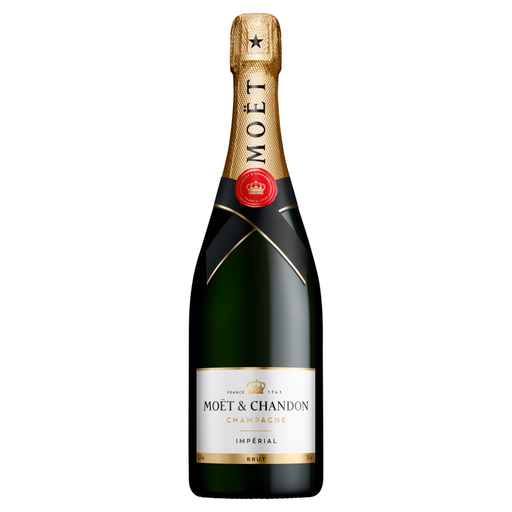
Why This Fits Their Persona: For those moments that demand a classic—an engagement, a promotion or a landmark anniversary—the iconic status of Mo?t & Chandon is part of the experience. It delivers the quintessential Champagne profile that is widely recognised and appreciated.
This choice sidesteps the "Champagne or Nothing" fallacy by being a deliberate selection for an occasion where the brand and origin are part of the celebration itself. It's not an overspend; it's a purposeful choice for a high-stakes event.
Made via the Traditional Method, it offers complex notes of green apple, citrus and toasted brioche with fine, elegant bubbles. Its Brut style makes it a versatile food companion.
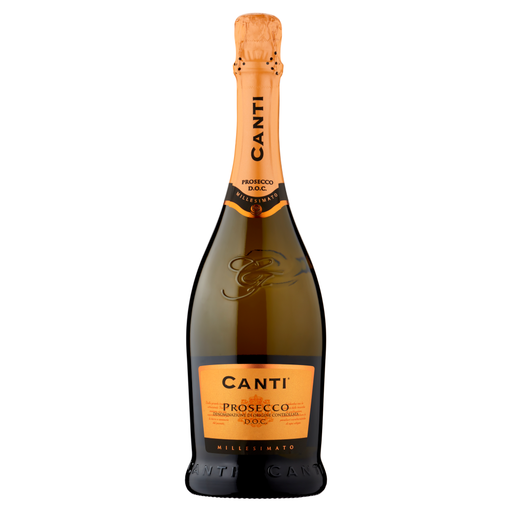
Why This Fits Their Persona: Perfect for someone who needs reliable, crowd-pleasing party drinks for a brunch, BBQ or informal get-together. It's affordable, approachable and versatile enough for sipping on its own or for making mimosas.
This is the antidote to the "Champagne or Nothing" trap. It proves that a well-made Prosecco offers fantastic value and a fresh, fruity profile that is often more suitable for casual gatherings than a heavier, more expensive wine.
Made with the Tank Method, it has a bright and zesty character with notes of green apple and flowers. Its accessible price point makes it ideal for buying in larger quantities for events.
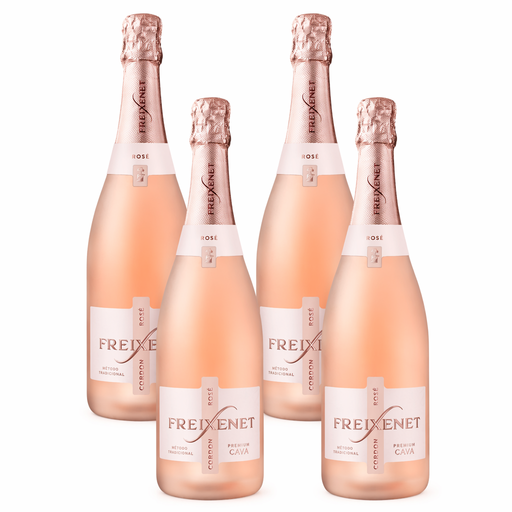
Why This Fits Their Persona: For those who specifically seek out the red berry notes of a rosé sparkling wine. This Spanish Cava from a well-regarded producer, Freixenet, is perfect for summer evenings, picnics or pairing with lighter grilled dishes.
It avoids the "Rosé Colour Myth" by offering quality based on its production method (Traditional Method Cava), not just its appearance. It delivers a consistent, fruity flavour profile, proving that a trusted brand is a better guide than the shade of pink.
As a Cava, it offers finer bubbles and more complexity than many tank-method rosés. It has a fresh, fruity profile with notes of strawberry and raspberry, at an excellent price point.
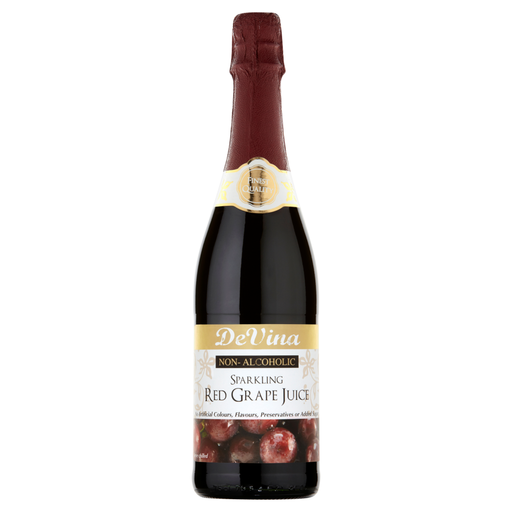
Why This Fits Their Persona: For designated drivers, expectant mothers or anyone choosing to abstain from alcohol but still wanting to partake in the toast. This provides the celebratory feel with a sophisticated flavour profile.
Many non-alcoholic sparkling wine options can be overly sweet or lack body. This option avoids that trap by offering a rich red grape flavour and proper effervescence, delivering a genuinely satisfying and adult-feeling beverage.
Completely alcohol-free, making it inclusive for all guests. The rich red grape juice base provides more depth and flavour than many simple sparkling water alternatives.
We have compiled a complete, real-time list of products that fully satisfy these strict selection criteria and UK safety regulations.
1. What is the difference between Brut, Extra Dry and Dry sparkling wine? This is a common point of confusion. Brut is the driest common category. Confusingly, Extra Dry is slightly sweeter and fruitier than Brut. Dry (or Sec) is sweeter still and has a noticeable sweetness on the palate. If you prefer a crisp, non-sweet wine, always look for Brut.
2. How long can I store an unopened bottle of Prosecco or Champagne? Non-vintage Champagne and most Prosecco are intended to be enjoyed fresh, typically within 1-3 years of purchase, to preserve their vibrant, fruity character. Store them in a cool, dark place. Vintage Champagne, however, is designed for ageing and can develop more complexity over many years if stored correctly.
3. Is Cava just a cheaper version of Champagne? Not at all. While both are made using the same high-quality Traditional Method, they come from different regions and use different grapes. Cava, from Spain, typically uses Macabeo, Parellada and Xarel·lo grapes, giving it a different flavour profile, often with more earthy or citrus notes. It offers exceptional value and is a high-quality sparkling wine in its own right, not a substitute.