
24/7 Customer Support

Free returns

Same-day & Next-day Delivery

Quality Guaranteed

Unlock Your Welcome Offers: FREE Delivery | Up to 80% OFF | Free 30-day JoyPlus trial
Download the APP
Buying sparkling wine online should be straightforward, but attractive labels and vague tasting descriptions can make comparison difficult. A pink bottle may suggest sweetness when it is actually Brut, while a high price does not automatically mean the style will suit your guests or menu.
Whether you are shopping for Prosecco, Champagne, Cava, rosé sparkling wine, Asti DOCG or an alcohol-free alternative, check the details below before adding a bottle or case to your basket.
Champagne is French sparkling wine from the protected Champagne region. Prosecco is Italian sparkling wine made within designated DOC or DOCG areas, generally from Glera grapes. Cava is Spanish sparkling wine traditionally associated with Catalonia and made using the traditional method.
These names indicate origin and production rules, not simply a price category. A Prosecco may be lighter and fruitier, while French Champagne or vintage Cava may offer more toasty, developed flavours. Choose according to taste and occasion rather than assuming one category will suit everyone.
Colour does not reliably indicate sweetness. A rosé sparkling wine can be Brut, meaning it contains relatively little residual sugar. For example, I Heart Prosecco Rosé 75cl is described as a pleasantly dry Brut with berry and citrus notes.
If your guests prefer a sweeter drink, look at the sweetness wording on the label. Asti DOCG, such as Marchesini Asti DOCG 75cl, is generally associated with a lower alcohol level and a sweeter, aromatic profile. Always check the actual product description and label rather than relying on colour.
A standard 75cl sparkling wine bottle usually provides around six 125ml glasses, although serving sizes vary. Alcohol strength also differs: the listed products range from 7% ABV for Marchesini Asti DOCG to around 12–12.5% ABV for several Champagne bottles.
For UK shoppers, check the alcohol units per bottle before buying for a party. Adults are advised not to regularly exceed 14 units per week. Alcohol is restricted to those aged 18 and over, and responsible drinking guidance should be followed.
Terms such as Brut, Extra Dry and Demi-Sec describe sweetness rather than quality. Brut Champagne, Brut Prosecco and Brut Cava are usually suitable for aperitifs and savoury food because their acidity and restrained sweetness can feel refreshing.
Asti DOCG is a different proposition, with a more aromatic, fruit-led character that can work with desserts or as a sweeter celebration drink. If you are buying for a mixed group, a dry bottle plus a sweeter option can provide more choice.
The production method affects texture and flavour:
Look for the grape varieties and country of origin. Glera is closely associated with Prosecco, while Champagne commonly blends Chardonnay, Pinot Noir and Pinot Meunier. Rosé versions may include Pinot Noir or Pinot Nero to provide colour and red-fruit character.
Check the ABV, net quantity and allergen statement before ordering. Sparkling wine commonly contains sulphur dioxide and sulphites, which must be declared when present. This is particularly relevant for anyone who needs to avoid or limit sulphites.
For guests avoiding alcohol, choose a clearly labelled alcohol-free sparkling wine or sparkling grape drink. DeVina Sparkling Red Grape 750ml is a non-alcoholic option, but it contains grape juice, sugar and sulphites. It should not be treated as nutritionally identical to alcohol-free wine, so review the nutrition panel for sugar and calorie information.

Why This Fits Their Persona: A practical Italian Prosecco DOC choice for first-time buyers, casual dinners and smaller gatherings where a familiar dry style is useful.
The listing identifies the DOC Treviso origin, 100% Glera grapes, Brut style and 11% ABV, making the key comparison points clear.
Italian origin; 75cl format; suitable for vegetarians and vegans according to the listing.
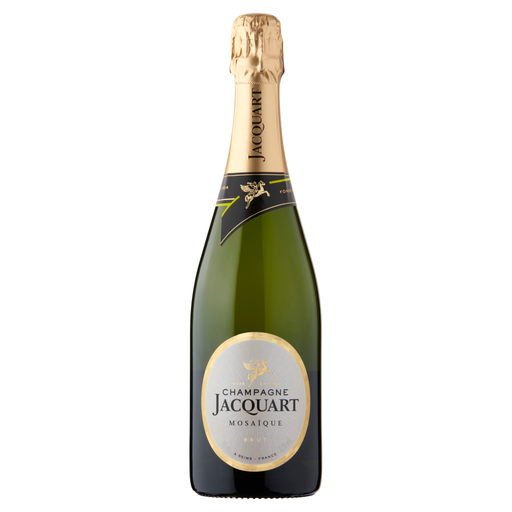
Why This Fits Their Persona: A French Champagne option for formal dinners, wedding toasts and sparkling wine gifts where traditional production matters.
The listing states the Champagne origin, traditional méthode champenoise and blend of Chardonnay, Pinot Noir and Meunier.
12.5% ABV; Brut style; listed as suitable for vegetarians and vegans.
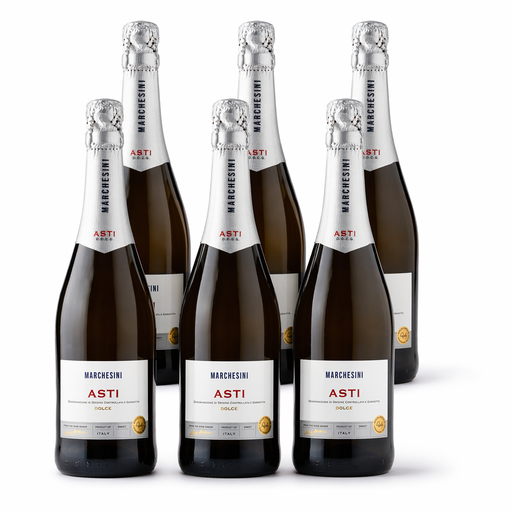
Why This Fits Their Persona: A case format for larger parties, office celebrations or hosts who want several bottles available without repeated orders.
The product is clearly identified as an Asti DOCG case deal, with 7% ABV and 5.3 UK units per 75cl bottle listed.
Lower ABV than many Champagne and Prosecco options; suitable for drinking now according to the listing.
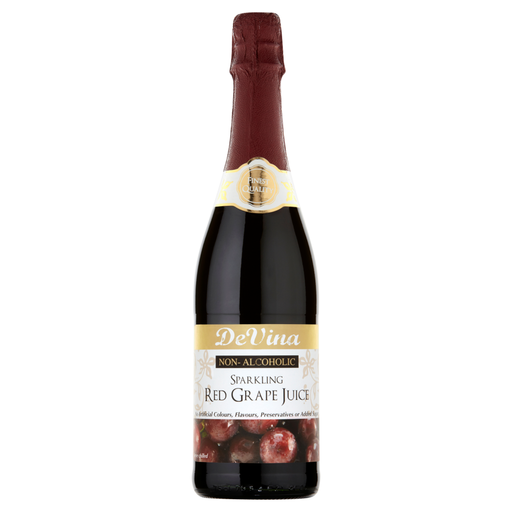
Why This Fits Their Persona: A non-alcoholic sparkling grape drink for designated drivers, alcohol-free households and mixed celebrations.
It is presented as alcohol-free and lists its ingredients, 22 kcal and 5.3g sugars per 100ml for easier comparison.
750ml bottle; red grape flavour; suitable for chilled serving or use in non-alcoholic cocktails.
We have compiled a complete, real-time list of products that fully satisfy these strict selection criteria and UK safety regulations.
Chill most sparkling wine to around 6–8°C before opening. Keep the bottle away from direct sunlight and heat. Because the contents are under pressure, do not shake the bottle. Point it away from faces, remove the foil and wire cage carefully, and hold the cork while slowly turning the bottle.
Use a sparkling wine stopper after opening and refrigerate the bottle. Bubbles are usually freshest within one to three days, although the exact guidance depends on the product. Serve in flutes or suitably shaped wine glasses to preserve the bubbles while allowing aromas to develop.
A 75cl bottle contains approximately six 125ml glasses. Larger pours reduce the number of servings, so allow extra bottles for a wedding, party or extended meal.
Prosecco is often available at a lower price than Champagne, but prices vary by producer, promotion, vintage and bottle format. Compare the origin, ABV, sweetness level and production method rather than using price alone.
Store unopened bottles in a cool, dark place away from vibration and temperature changes. Follow the label for whether the bottle should be upright or horizontal. Once opened, use a sparkling wine stopper, refrigerate and consume within the period stated by the producer.