
24/7 Customer Support

Free returns

Same-day & Next-day Delivery

Quality Guaranteed

Unlock Your Welcome Offers: FREE Delivery | Up to 80% OFF | Free 30-day JoyPlus trial
Download the APP
Buying sparkling wine and Champagne online should be straightforward, but attractive labels and premium-looking packaging can make comparison difficult. A higher price does not automatically mean a flavour profile your guests will enjoy, while a case deal may be poor value if you only need one or two bottles.
This guide explains the practical differences between Brut Champagne, Prosecco Brut, Cava Brut and rosé sparkling wine, helping UK adults choose a suitable 75cl bottle or case with fewer surprises.
“Champagne” is a protected geographical name. It refers to sparkling wine produced in the Champagne region of France under the relevant production rules. French Champagne is therefore different from Italian Prosecco, Spanish Cava and other sparkling wine styles.
This does not make one category automatically preferable. Prosecco often offers a fruit-forward style, Cava is commonly made using traditional bottle fermentation and Champagne may offer more developed toast and brioche notes. Compare origin, production method and taste rather than relying on the name alone.
Brut indicates a relatively low dosage category, but the final impression can still vary according to acidity, fruit character and winemaking method. A crisp, high-acid bottle may taste drier than a rounder wine with similar sugar classification.
Look for tasting descriptions such as citrus, green apple, pear, red fruit, brioche or almond. These offer more useful guidance than the word “Brut” by itself.
Black bottles, gift-style packaging and famous house names may suit gifting, but they do not tell you whether the wine matches your menu or budget. Check the net quantity, alcohol percentage, serving temperature, storage guidance and allergen information before ordering.
A 75cl bottle generally provides around six 125ml glasses, although serving sizes vary. For larger gatherings, compare the total bottle count and cost per bottle in sparkling wine case deals, rather than focusing only on the headline saving.
Traditional-method wines undergo a second fermentation in the bottle. This can contribute to finer bubbles and flavours associated with lees ageing, such as toast, pastry or brioche. Champagne and many Cava wines use this method, while Prosecco is commonly produced using tank fermentation, which helps retain fresh, aromatic fruit character.
For example, Freixenet Cordon Negro Brut is described as undergoing traditional bottle fermentation and 9–12 months of ageing. Freixenet Vintage Excelencia Brut is also made using the traditional method and is vintage-dated, so its character relates to a specific harvest.
Most products in this guide are 75cl sparkling wine bottles. Alcohol strength varies: listed examples range from 10.5% to 12.5% ABV. Always check the product page and packaging for the current details, as labels and nutritional information may change.
All the featured products contain sulphites. Alcohol is restricted to UK adults aged 18 and over. Do not drink and drive, and alcohol is not recommended during pregnancy. Store unopened bottles away from direct sunlight and sudden temperature changes. A sparkling wine stopper and refrigeration can help preserve bubbles after opening, although the drink is generally most enjoyable soon after opening.
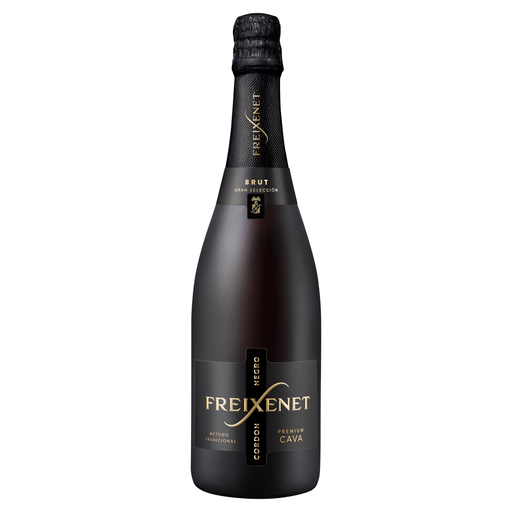
Why This Fits Their Persona: A practical introduction to Spanish sparkling wine for casual celebrations, dinner parties or first-time comparisons with Prosecco and Champagne.
The product information identifies Spain, 11.5% ABV, sulphites and a defined 6–8°C serving suggestion, making comparison clearer than packaging alone.
Traditional bottle fermentation; green apple, pear, citrus and subtle almond notes; suitable with seafood, salads and soft cheeses.
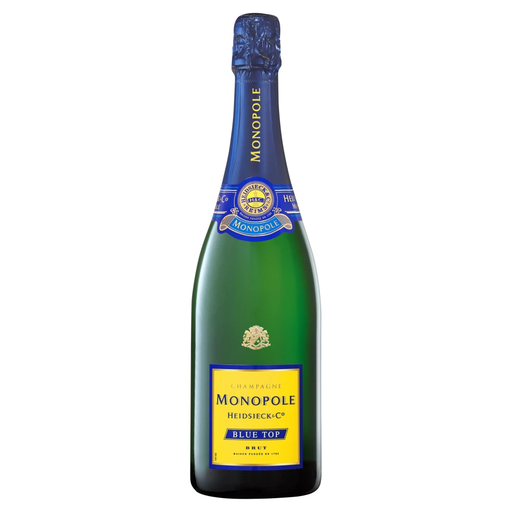
Why This Fits Their Persona: A French Champagne option for milestone dinners, formal hosting or shoppers seeking a blend of fruit freshness and developed flavours.
Its listed grape blend, Champagne origin and traditional production method provide concrete details for evaluating premium positioning.
Blend of Chardonnay, Pinot Noir and Pinot Meunier; citrus, white fruit, vanilla, toasted almond and mineral notes are listed.
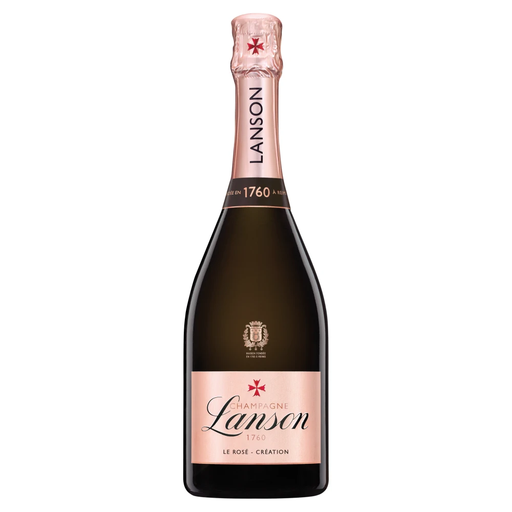
Why This Fits Their Persona: A rosé Champagne choice for birthdays, romantic meals, gifting and occasions where appearance matters alongside the drink style.
The product page confirms a 75cl bottle and French Champagne origin, so shoppers can distinguish rosé style from ordinary sparkling wine.
Brut rosé format; suitable for celebratory drinks and pairing with lighter dishes, subject to personal taste and menu choice.
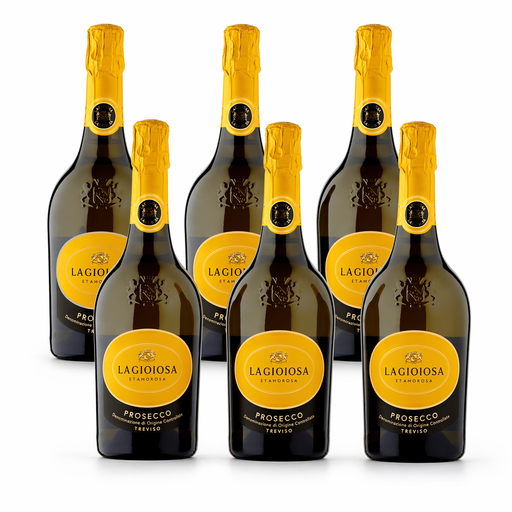
Why This Fits Their Persona: A case format for hosts, event planners and households that regularly serve sparkling wine at gatherings.
A case makes the total quantity visible before purchase, allowing a clearer per-bottle comparison than buying individual bottles repeatedly.
Italian Prosecco made from Glera; listed at 10.5% ABV; vegan-friendly information is provided and each bottle is 75cl.
We have compiled a complete, real-time list of products that fully satisfy these strict selection criteria and UK safety regulations.
Yes. Champagne is sparkling wine from the Champagne region of France and follows specific regional production rules. Sparkling wine is the broader category, including Prosecco from Italy, Cava from Spain and wines from other regions.
For the freshest bubbles, drink it soon after opening. A proper sparkling wine stopper and refrigeration may help retain carbonation for around one to three days, but the result depends on the wine, stopper and storage conditions.
It can be, but check the total bottle count, delivery cost, bottle size and stated alcohol strength. Divide the complete price by the number of bottles before deciding. A case is most practical when you already have a planned use for the quantity.