Hosts serving a mixed group
A sharing bottle makes it easy to pour at the table; cans let guests take separate portions. Consider which arrangement suits the number of people and how they will serve themselves.


For a brunch table, choose a sharing bottle if guests will pour their own drinks, or cans if separate unopened portions are more useful. Then check whether the group wants classic lemonade, a cloudy lemon drink or lemon-lime, and compare the ingredients and nutrition labels rather than assuming every diet or zero-sugar recipe uses the same sweeteners.
A sharing bottle makes it easy to pour at the table; cans let guests take separate portions. Consider which arrangement suits the number of people and how they will serve themselves.
Compare both the sugars figure and the ingredient list. A diet recipe may contain sweeteners, while a regular recipe can contain sugar and sweeteners together.
Decide whether the drink should be familiar lemonade, a cloudy lemon option or a lemon-lime alternative. Check the bottle or can size alongside the flavour description before planning servings.
Settle the serving format first, then compare flavour and labels within the formats that work for your table.
| Priority | What to check | Your needs |
|---|---|---|
| Servings | Check the bottle volume or can count against the number of guests and the glass size you intend to serve. Decide whether opened bottles or separate cans are easier to manage. | I would rather pour from a bottle at the table, or let everyone take an unopened can. |
| Sugar and sweeteners | Read sugars per 100ml and the ingredient list separately. Tesco describes its Sparkling Diet Lemonade as no added sugar; R. White's regular cans list sugars and carry a phenylalanine warning. | Some guests may prefer a lower-sugar recipe, while others may want to avoid particular sweeteners. I need to check the actual pack before serving it. |
| Flavour style | Look for classic lemonade, cloudy lemon or lemon-lime in the product description. Fever-Tree's Sicilian Lemonade listing specifies 6% lemon fruit from concentrate; Sprite is described as lemon-lime. | If I am serving lemonade in its own right, I want the flavour on the label to match what guests expect. |
| After opening | Check the bottle's own storage and use-after-opening instructions. Factor them into the number of bottles you open for brunch. | I would prefer not to open more drink than the table is likely to use. |
Diet and no-added-sugar describe different aspects of a recipe. Tesco's Sparkling Diet Lemonade contains sweeteners, and the sweeteners used can vary between products.
Read the current ingredient list as well as the nutrition panel, particularly when serving guests with specific preferences.
A 500ml bottle gives fewer pours than a 2L sharing bottle when the glass size is the same.
Work out the servings you intend to offer before deciding how many bottles to buy.
Several smaller bottles also mean more containers to chill, open and clear away.
Sprite's UK product description identifies it as a lemon-lime drink, while cloudy Sicilian-lemon products are described around lemon ingredients.
Choose the style deliberately rather than relying on the word “sparkling” to indicate the flavour.
Sweetener declarations and storage instructions matter when deciding what to serve a group.
Check the delivered pack for its current ingredients, warnings and after-opening directions.
These examples illustrate different recipes and serving formats; a brand name alone does not tell you what is in every variant.
R. White's appears in both bottle and can formats, with regular and diet lemonades listed separately.
Tesco Sparkling Diet Lemonade is a no-added-sugar, 2L sharing-bottle example.
Fever-Tree Sparkling Sicilian Lemonade is a 500ml lemon-led option.
M&S Sparkling Cloudy Lemonade offers a cloudy Sicilian-lemon style.
Sprite is a sparkling lemon-lime alternative, rather than a cloudy or lemon-only lemonade.
These Joybuy options focus on cans for separate servings. They include lemonade, lemon-lime drinks and a lemon soda, so check the flavour style as well as the pack count.
 No image available
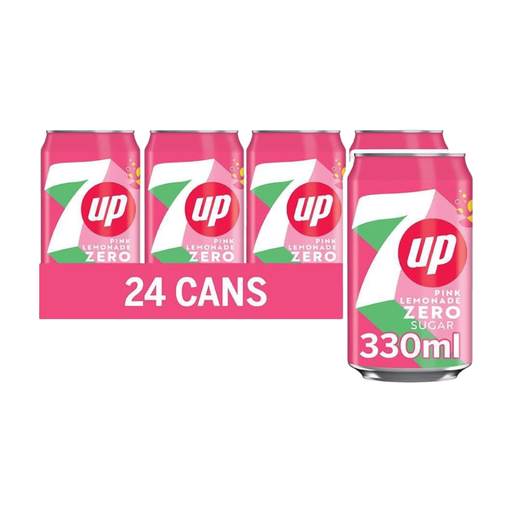
The 24-can pack offers separate 330ml portions for guests. Check the delivered pack's flavour description if you are expecting classic rather than pink lemonade, and read its sweetener declaration and phenylalanine warning.
 No image available
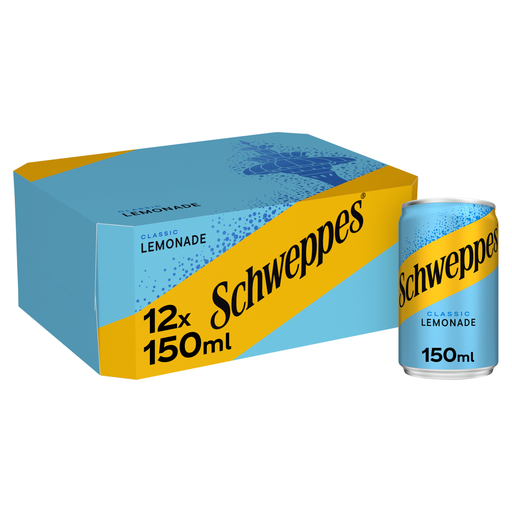
This pack gives guests individual 150ml servings of original lemonade. Allow for the smaller can size when planning glasses, and check the pack's sugar, sweetener and phenylalanine information.
 No image available
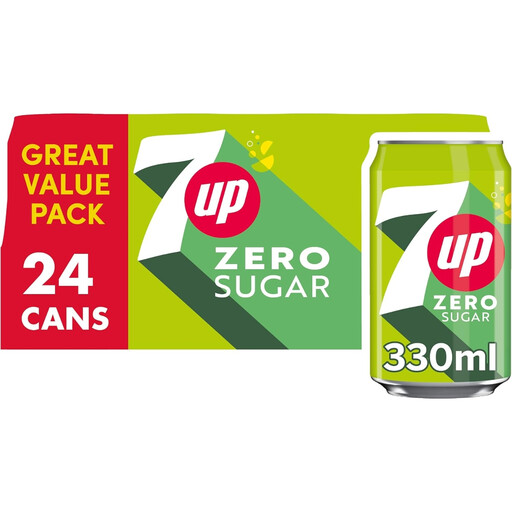
The 24-can format suits self-service if guests want a lemon-lime drink rather than classic lemonade. Check the current sweetener list and phenylalanine warning on the pack.
 No image available
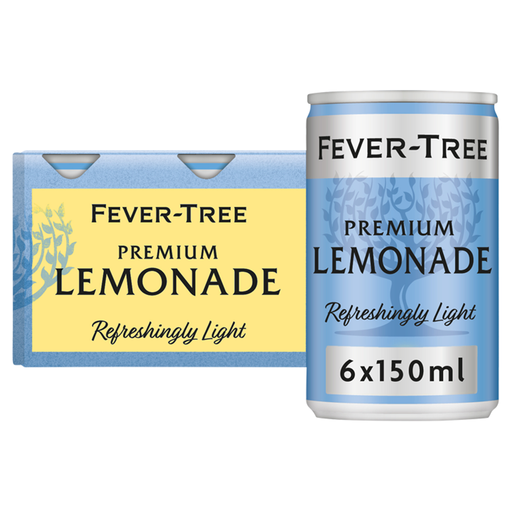
Six 150ml cans offer separate small servings of lemonade. Check whether that pack count and portion size cover the planned brunch table, and read the current ingredients if sweeteners are a consideration.
 No image available
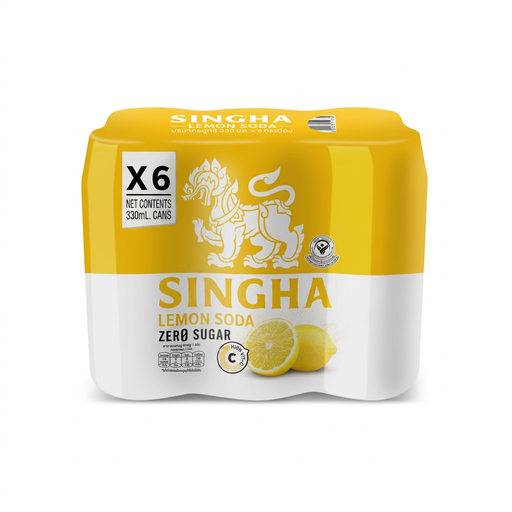
Six 330ml cans provide separate servings when lemon soda suits the group better than traditional lemonade. Check the delivered pack's ingredients and nutrition panel if its recipe details matter to guests.
Work from your guest count and intended glass size, then compare pack volumes. A 2L bottle supports shared pouring, while a 24 × 330ml can pack provides 24 separate portions; the right amount depends on how many drinks you expect to serve.
It can. Tesco Sparkling Diet Lemonade is described as a no-added-sugar drink with sweeteners, so read both the nutrition panel and ingredient list when choosing for guests.
UK food-labelling guidance on GOV.UK requires the warning “Contains a source of phenylalanine” for products containing aspartame. Check the exact drink's label: the warning does not apply to every sweetener-containing lemonade.
No. Sprite is described as a lemon-lime soft drink, whereas M&S Sparkling Cloudy Lemonade is described using Sicilian lemon juice. Choose according to the flavour guests expect, not simply the fact that both drinks are sparkling.