What matters when choosing?
For a classroom draft review with remote colleagues, start with the intended device position and farthest seat. Then consider how the discussion will sound, whether the exact variant fits the school’s equipment and how often it needs to move.
| Concern |
What to check |
Who this matters to |
| Clear discussion audio |
Check full-duplex capability and listen to a call with normal speech from the intended seats. |
When remote colleagues need to follow quick comments and interruptions during a draft review, I want each contribution to remain understandable. Around 36% of consumers put clear discussion audio first. |
| Seating coverage |
Measure the farthest seat against the exact model’s stated pickup range or room guidance; consider expansion if one position will not serve the layout. |
If contributors are spread across the classroom, I need them heard without moving towards the device or raising their voices. Seating coverage comes first for around 29% of consumers. |
| Device and platform fit |
Confirm the precise variant, host-device connection and compatibility with the school’s calling platform. |
When a shared school laptop or room system hosts the call, I need the speakerphone to connect to that setup. Around 21% of consumers make device and platform fit their primary concern. |
| Moving between rooms |
Check the connection method, charging needs and supplied accessories for the exact variant. |
If draft reviews happen in different classrooms, I want a device that is straightforward to carry and set up. Ease of moving between rooms is the first priority for around 14% of consumers. |
Joybuy speakerphone choices
These choices cover a Bluetooth speakerphone for a classroom group considering flexible placement and a wired speakerphone for a more settled discussion position. For either approach, check the farthest seat and the exact connection setup before ordering.
 No image available
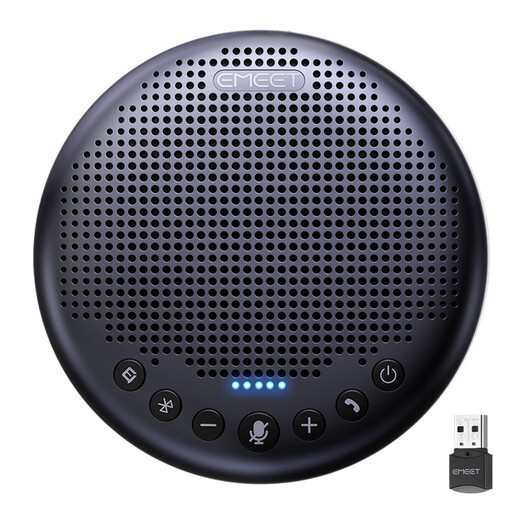
EMEET Lunaplus 8-Mic Bluetooth Conference Speaker
Consider this model if Bluetooth connectivity would help with the intended classroom setup. Its product name specifies eight microphones and 360° voice pickup; check how clearly the farthest seat is heard rather than treating those descriptions as a distance rating.
If you intend to use two units, confirm the connection method and what accessories the exact SKU includes.
View on Joybuy
 No image available
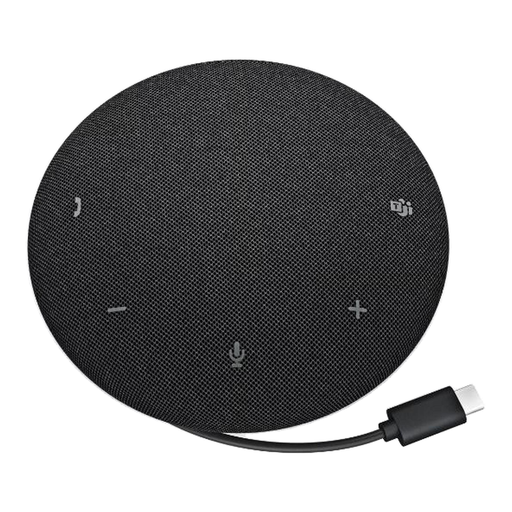
DELL Pro Wired Speakerphone SP325
Consider this wired model when the host device and discussion position will usually stay in one place. Check its stated pickup coverage against the farthest normal speaking position and confirm full-duplex operation if in-room and remote colleagues are likely to speak at once.
View on Joybuy
Frequently asked questions
Can a portable speakerphone solve poor classroom acoustics?
No: choosing a speakerphone does not remove the need to address poor speech intelligibility in the room. Department for Education guidance treats school acoustics as a building consideration, so assess noise and reverberation as well as whether remote colleagues can hear speakers during a live call.
Do we need a Microsoft Teams-certified speakerphone?
A Teams-certified variant is worth checking if the classroom normally uses Teams, particularly when the school has requirements for its meeting devices. Microsoft says its certification programme tests device quality, reliability and compatibility; for another calling platform, confirm support for that platform and the exact connection instead of assuming Teams certification is required.
How should we test a speakerphone in the classroom?
Put it in its intended position and make a call while someone speaks normally from each likely seat, especially the farthest one. Also try the interruptions and quick exchanges typical of a draft review, so remote colleagues can say whether they can follow the discussion.
What warranty details should a school check before ordering?
Check the warranty terms for the exact model, seller and type of school purchase. Coverage and support arrangements can differ by variant and purchasing terms, so keep those details with the equipment record.


