Listeners with a regular seat
If you usually sit in the same place to hear vocals, guitar and rhythm instruments, you may have room for a separated speaker pair. KEF’s LSX II LT is an example of this fixed-lounge format.


Choose a powered stereo pair if you have a regular listening position and room to place two speakers apart. If the lounge needs a simpler shared setup, choose a one-box speaker around the sources you use; if it will often leave the lounge, prioritise portability instead. Check connections and sound controls at the volume you normally use rather than choosing by maximum output.
If you usually sit in the same place to hear vocals, guitar and rhythm instruments, you may have room for a separated speaker pair. KEF’s LSX II LT is an example of this fixed-lounge format.
When others share the lounge, accessible sound controls may matter more than maximum output. Sonos offers app-based room tuning on Era 100, while Marshall gives Acton IV physical bass and treble controls.
If you switch between phone streaming and analogue equipment, check the connection path for each source. If the speaker also needs to leave the lounge regularly, a battery-powered model such as JBL Charge 6 addresses a different need from a fixed system.
Decide where the speaker will normally sit, then check how your recordings will reach it. A connection that suits phone streaming may need an adapter or preamp for a turntable.
| Concern | What to check | Who this matters to |
|---|---|---|
| Separated stereo listening | Check whether you can place two speakers apart near your usual seat, and whether the system accepts your music source. | I tend to sit down and listen closely, so a stable left-to-right presentation matters more to me than moving the speaker around. Roughly 36% of consumers put this fixed-listening need first. |
| Sound control in a shared room | Look for accessible bass and treble controls, app EQ or room tuning; try the volume you expect to use at home. | When someone else is using the lounge, I want to adjust the sound without turning it up. Around 29% of consumers make considerate listening their primary concern. |
| Existing music sources | Match each source to an input; for a turntable, check its phono preamp and any speaker adapter requirements. | I already have recordings on particular devices and need a workable connection before anything else. Source compatibility comes first for roughly 21% of consumers. |
| Use beyond the lounge | Check battery-life conditions and whether a portable model suits the places you will use it. | If I regularly take the same speaker elsewhere, carrying and powering it become the deciding factors. About 14% of consumers prioritise portability over a fixed setup. |
Sonos specifies a Line-In Adapter and auxiliary cable for an analogue source on Era 100. Marshall says a turntable connected to Acton IV needs an RIAA-equipped output or a separate preamp.
Check the turntable’s output and built-in preamp before choosing an input or adapter.
The connection may also require an adapter, audio lead or separate preamp; Marshall says the lead and preamp are not included with Acton IV.
High output alone does not tell you how useful the sound controls will be at your usual listening level. Shared-room listening also calls for consideration of other people in the home.
Try the speaker at an ordinary household volume where possible, and check whether tone controls or app adjustments are convenient for everyone using it.
JBL says two Charge 6 speakers can be paired for a wider stereo presentation; a single unit is a different arrangement from two speakers placed apart.
If separated stereo is important, consider whether placing and keeping two portable units charged would suit you better than a fixed pair.
Using the Charge 6 stereo-pair function requires a second compatible unit and a charging routine for both.
Product feature descriptions do not establish how the KEF, Sonos, Marshall and JBL models compare on the same blues recordings at your preferred volume.
Use format and connection requirements to narrow the choice, then audition the exact model if its tonal character will decide your purchase.
Consider the LSX II LT if a compact powered pair can remain in a fixed lounge position.
Era 100 suits a compact, connected-home setup where people stream from supported devices.
Acton IV is a one-box, mains-powered option for a lounge with analogue sources.
Charge 6 is relevant when the speaker needs to travel beyond the lounge.
These products cover different ways to play music in a lounge: a tabletop speaker, a portable Bluetooth model, a soundbar and passive bookshelf speakers. Check which format and connection path fits your room and recordings rather than treating them as interchangeable stereo systems.
 No image available
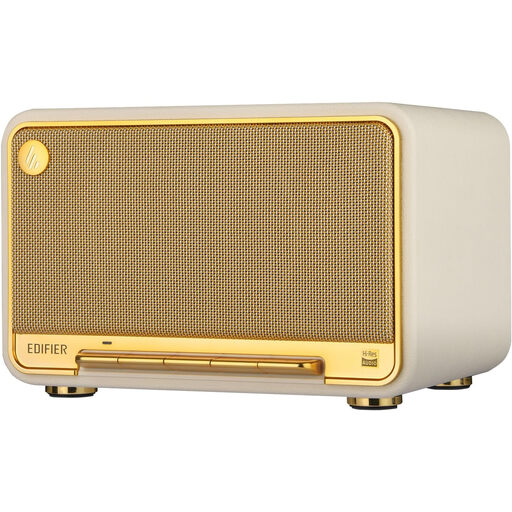
Consider this tabletop model if your lounge music comes from more than one type of source. Its title lists Bluetooth 5.3, AirPlay 2, USB-C and AUX inputs, app control and 60 W RMS; it also states up to 11 hours of playback. Check the available tone adjustments if you need to change the balance at shared-room volumes.
 No image available
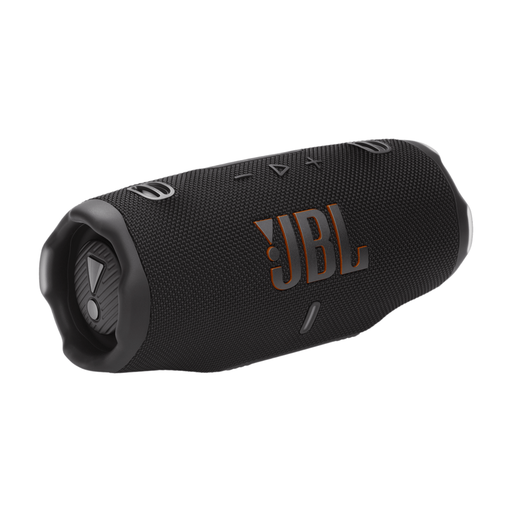
Choose this format if you regularly move the speaker beyond the lounge and play recordings from a Bluetooth source. JBL rates Charge 6 IP68 and claims up to 28 hours of playback with Playtime Boost; check the conditions behind any runtime figure you rely on. JBL says stereo pairing requires two Charge 6 units.
 No image available
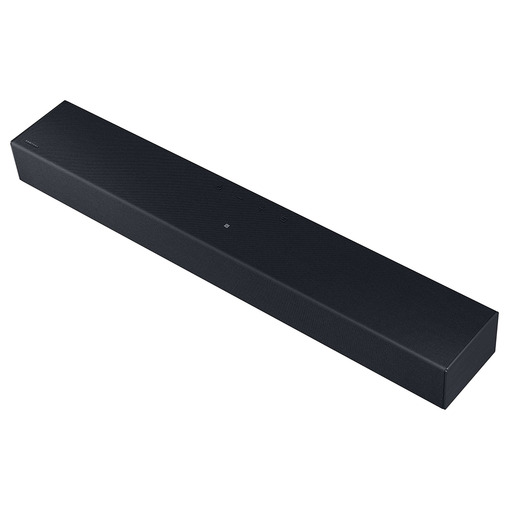
This soundbar format is worth considering if the lounge speaker will also sit with a TV. The product name specifies a 2.0-channel configuration. Confirm the connection you intend to use for blues recordings before buying, particularly if wireless playback is essential.
 No image available
Consider these for a fixed music setup if you can provide a compatible amplifier. The title specifies a two-way design, 6.5-inch mid-bass driver, 28 mm tweeter, 8-ohm impedance and 10–120 W range. Confirm amplifier compatibility and the number of speakers supplied before planning a separated pair.
No: a powered pair makes sense when you can place two speakers apart for listening from a regular seat, but a single cabinet may fit the furniture and shared use more easily. Decide which arrangement you can actually position and connect before judging sound.
Only if the turntable and speaker have a compatible connection path. Sonos specifies a Line-In Adapter and auxiliary cable for Era 100, while Marshall says a turntable connected to Acton IV needs an RIAA-equipped output or a separate preamp.
Set the speaker at a level that works for the household and use its available sound controls rather than relying on high output. GOV.UK says councils in England must investigate complaints about noise that could be a statutory nuisance; check the relevant local guidance elsewhere in the UK rather than applying that England-specific statement across all jurisdictions.
Contact the seller and describe the fault, keeping your order details. The Consumer Rights Act 2015 provides remedies when goods fail its statutory requirements; a retailer’s change-of-mind policy is separate from those rights. The Act’s explanatory notes describe a short-term right to reject where its conditions are met.
Use an appropriate electrical-equipment collection, retailer take-back or local-authority route rather than general waste. GOV.UK explains that UK waste electrical and electronic equipment rules aim to encourage recovery, reuse and recycling.