Choose a separated stereo pair if you usually listen from one sofa or dining position and can give both speakers space: their placement lets you build a defined left-right listening area. If music needs to follow you between areas, a Wi-Fi home speaker or portable Bluetooth speaker is easier to place, but you give up some flexibility to position separate left and right speakers. In either case, adjust bass and volume with neighbours in mind.
Who each setup suits
Music-first flat listener
If you normally listen from one seat or dining area, make room for two speakers before committing to a stereo pair. Cambridge Audio and KEF both emphasise that speaker and listener positions affect the balance between bass and stereo imaging.
Flexible open-plan host
If you listen while moving between cooking and social areas, a compact home speaker or movable portable speaker may suit your routine better than a pair arranged around one seat. Check how you will stream music and whether you need to move the speaker or expand the system later.
Neighbour-conscious bass listener
If you share walls or floors, prioritise accessible volume and bass controls alongside placement. The position that gives you the strongest bass may not give you the stereo image you want, as Cambridge Audio notes.
What matters when choosing
Decide whether you mainly listen from one position or move around the flat, then check placement, neighbour impact and the devices you intend to connect.
Separated stereo pair
Choose it when: You have a regular listening position and space to place two speakers around it.
Allow for: Two practical positions and time to adjust spacing and distance from walls; Cambridge Audio cautions that bass and stereo imaging may favour different positions.
Wi-Fi home speaker
Choose it when: You want a compact speaker in a fixed spot for everyday streaming, with the option to expand a compatible system.
Allow for: Model-specific setup and connections. Sonos says Era 100 needs Wi-Fi setup before Bluetooth use and an adapter for analogue line-in.
Portable Bluetooth speaker
Choose it when: You need to move one speaker between areas rather than keep two in fixed positions.
Allow for: Charging and considerate bass and volume settings. If separated stereo matters too, check whether the model can pair with a second matching speaker; JBL states that two Xtreme 4 units can do this.
| Concern |
What to check |
Who this matters to |
| Rhythm and stereo placement |
Check space for two speakers around your main listening position, then adjust their spacing and wall distance. |
If I sit down to follow the melody and rhythmic accents, I want a defined listening position rather than sound coming from wherever a single box fits. Around 33% of consumers put this music-first concern ahead of the others. |
| Listening across the room |
Decide whether music must work chiefly at one seat or while you move between areas; check portability or compatible multi-room features accordingly. |
When I move between the kitchen and dining area, I would rather have convenient playback than arrange everything around one seat. For around 25% of consumers, that flexibility is the primary need. |
| Bass and neighbours |
Look for accessible volume and tone settings, and consider positions away from shared walls where practical. |
With neighbours close by, I need to enjoy the beat without relying on heavy bass or a high volume. Keeping that impact manageable comes first for around 25% of consumers. |
| Connections and setup |
List your intended phone, TV, computer and turntable connections; confirm the exact inputs and any required adapter or phono pre-amplifier. |
If I use more than one music source, I do not want to discover that a connection needs another piece of equipment. Around 17% of consumers make straightforward setup their first priority. |
Buying mistakes to avoid
-
Choosing by claimed bass or loudness alone
A speaker's position can change the bass you hear, and more bass at your listening spot may not give you the stereo image you want. Cambridge Audio recommends treating placement as a compromise.
Try practical positions at a moderate volume and check whether you can adjust the tone before deciding that a larger speaker is necessary.
-
Assuming wireless means every source will connect
Sonos Era 100 uses an adapter for analogue line-in, while KEF says the LSX II LT has no 3.5 mm analogue input and connects to a turntable via Bluetooth only.
Check your source's output against the exact speaker model's inputs, including whether a turntable needs a phono pre-amplifier before a line-level connection.
An analogue setup may also require an adapter or separate phono pre-amplifier, depending on the devices.
-
Treating portability as permission to play loudly at night
Moving a speaker does not remove its potential impact on neighbours. GOV.UK guidance for England says noise can be a statutory nuisance when it unreasonably and substantially interferes with the use or enjoyment of a home or other premises.
Keep evening volume and bass considerate, and think about where the speaker sits relative to shared walls and floors.
Brands to consider
These examples illustrate different speaker formats and connection requirements; a brand's inclusion does not establish that every model suits this room.
KEF
The LSX II LT is an active stereo pair for a defined listening area, with Bluetooth, HDMI ARC, USB-C and a subwoofer output listed by KEF.
- Two separate cabinets allow left-right placement around a regular listening position.
- KEF says the LSX II LT lacks a 3.5 mm analogue input; its stated turntable connection is Bluetooth only.
Sonos
Era 100 is a compact home speaker with Wi-Fi, Bluetooth and analogue line-in through a Sonos adapter.
- A fixed shelf or counter position can suit everyday streaming and later compatible system expansion.
- Sonos requires Wi-Fi setup before Era 100 can be used over Bluetooth; analogue line-in needs an adapter.
Bose
SoundLink Max is a portable Bluetooth model for listeners who need to change its position rather than install a fixed pair.
- Bose lists a removable handle, an AUX port and a stated battery life of 20 hours for this model.
- Its portable format does not remove the need to manage volume and bass near neighbours.
JBL
Xtreme 4 is a portable Bluetooth option; JBL says two matching units can be paired for stereo.
- The stated pairing option lets you consider separated speakers without committing to fixed placement.
- That arrangement needs a second Xtreme 4, with space and charging arrangements for both units.
Joybuy product choices
These choices span a movable speaker, fixed home and desktop speakers, and a passive bookshelf pair. Decide which arrangement fits your listening area before comparing their connections and setup requirements.
 No image available
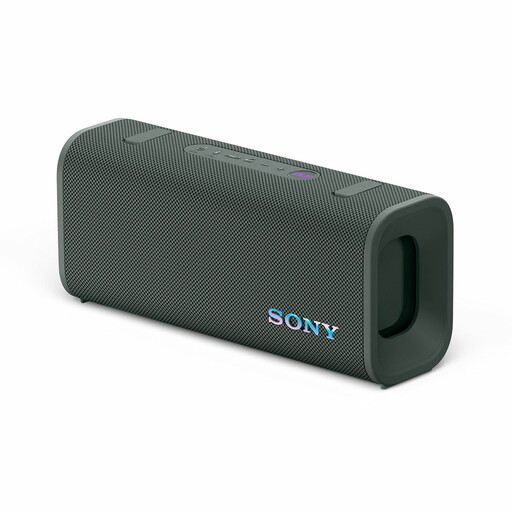
Sony ULT Field 3 Portable Speaker – Forest Gray
Consider this portable speaker if you want to change where music plays during the day. If separated stereo is important, check the pairing arrangement and allow space for a second matching unit.
View on Joybuy
 No image available
HiVi-Swans DIY3.1 Passive Bookshelf Speakers, 6.5-inch Pair
A passive pair is worth considering if you have a regular listening position and places for two speakers. It needs a compatible external amplifier; confirm the package contents and your intended connections before buying.
View on Joybuy
 No image available
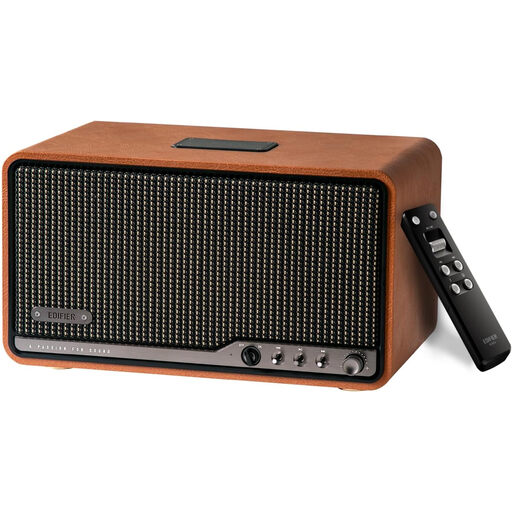
Edifier S300 Wireless Multi-Room Tabletop Speaker – Brown
This tabletop format suits a planned position for home listening. If you want separate left and right speakers, check the package count and the requirements for pairing two S300 units.
View on Joybuy
 No image available
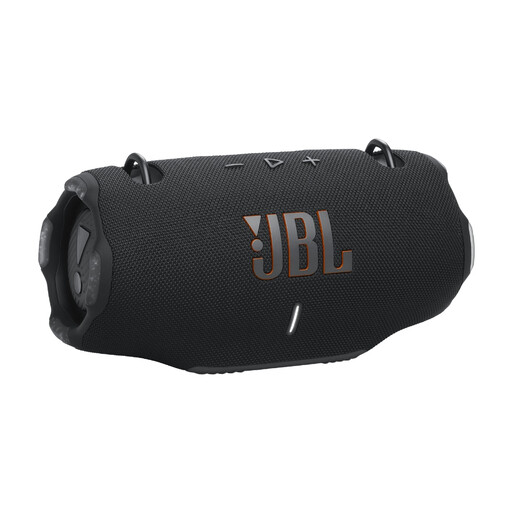
JBL Xtreme 4 Portable Bluetooth Speaker – Black
This is a movable option if two permanent speaker positions are impractical. JBL says two Xtreme 4 speakers can pair for stereo; a single unit is not that separated arrangement, and bass and volume still need consideration near neighbours.
View on Joybuy
 No image available
Edifier M60 Bluetooth 5.3 Desktop Speakers, 66W RMS
Consider this compact desktop setup if you mainly listen at a desk rather than across the open-plan area. The title lists USB-C and AUX inputs; confirm the package's speaker count and left-right arrangement if separated stereo is essential.
View on Joybuy
Questions about setup and use
Do I need two speakers for traditional dance music?
No: one speaker can be the more practical choice if you move around the flat. If you normally listen from one position and want defined left-right instrument placement, consider a separated pair and allow time to position it; Cambridge Audio and KEF both stress the effect of placement on stereo imaging and bass.
Can I use a Sonos Era 100 over Bluetooth straight away?
Not before its initial network setup. Sonos says Era 100 must be set up on Wi-Fi before it can be used as a Bluetooth speaker.
Can I connect a turntable to a wireless speaker?
It depends on the turntable's output and the exact speaker input. Sonos Era 100 needs a Sonos adapter for analogue line-in, while KEF says the LSX II LT has no 3.5 mm analogue input and connects to a turntable via Bluetooth only. For an ordinary line-level input, check whether a phono-output turntable needs a separate phono pre-amplifier.
How can I reduce the chance of disturbing neighbours?
Start with considerate volume and bass settings, and try a different position if the speaker is close to a shared wall. Under GOV.UK guidance for England, noise that unreasonably and substantially interferes with the use or enjoyment of a home or other premises can be a statutory nuisance. Elsewhere in the UK, check the applicable local authority guidance and your tenancy terms.


