
24/7 Customer Support

Free returns

Same-day & Next-day Delivery

Quality Guaranteed

Unlock Your Welcome Offers: FREE Delivery | Up to 80% OFF | Free 30-day JoyPlus trial
Download the APP
As a parent or caregiver, your baby's comfort and well-being are your top priority. When common issues like persistent crying, digestive discomfort or frequent spitting up arise, it can be a stressful and worrying time. Often, these symptoms can be linked to feeding, and you may be considering whether a specialist baby formula could help.
This guide is designed to provide clear, practical information on the different types of specialist formulas available. We will walk you through what to look for and present some carefully selected options, helping you make an informed choice for your little one.
Important Note: Specialist infant formulas are intended for the dietary management of specific medical conditions and should always be used under the guidance of a healthcare professional, such as a GP, paediatrician or health visitor.
Before choosing a product, it's helpful to understand the landscape. Specialist formulas are not one-size-fits-all; they are developed to address distinct dietary needs.
You will encounter several key terms when looking for a sensitive tummy baby formula. Knowing what they mean is the first step to finding the right match.
When comparing formulas, pay close attention to the ingredients and intended use. Look for key phrases like "for the dietary management of..." which indicates its specific purpose. Check if it's a nutritionally complete infant milk from birth or if it's intended for older babies as part of a weaning diet. Always check the preparation instructions, as some thickened formulas may require a different feeding technique or a fast-flow teat.
Here are our recommendations for formulas designed to address specific feeding concerns. Each has been selected for its clear purpose and formulation.
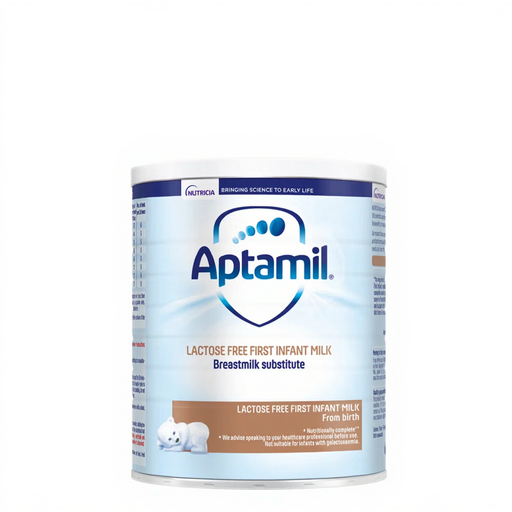
Why It Stands Out: This formula is specifically designed for babies with diagnosed lactose intolerance, replacing lactose with an alternative carbohydrate while providing complete nutrition.
Pros:
Who is it for? This formula is for babies who have been diagnosed with lactose intolerance by a healthcare professional. As stated by the manufacturer, it should only be used under medical supervision.
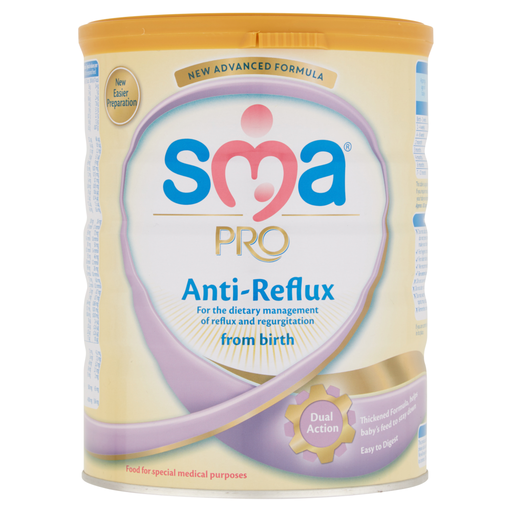
Why It Stands Out: As a dedicated anti-reflux formula, it is thickened with starch to help feeds stay down, directly addressing the issue of frequent regurgitation.
Pros:
Who is it for? This is intended for the dietary management of babies with significant reflux. Due to its thickened nature, it's important to follow preparation guidance carefully and use it under medical supervision.

Why It Stands Out: This comfort milk for babies is formulated to be gentle on a baby's developing digestive system, making it a popular choice for managing colic and constipation.
Pros:
Who is it for? This formula is for babies experiencing digestive discomfort such as colic and constipation. It is a thickened formula and may require a fast-flow teat. It should be used under medical supervision.
Choosing the right formula is a personal journey guided by your baby's unique needs and professional medical advice. If the products above don't seem to be the right fit, or if you are looking for standard infant formulas, you can browse a wider selection.
Explore our full range of instant milk powder to see other available options.
1. When should I consider a specialist baby formula? You should only consider a specialist formula after speaking with a GP, health visitor or paediatrician. They can properly assess your baby's symptoms, rule out other issues and recommend the most appropriate dietary management, which may include a specialist formula. Self-diagnosing can lead to unnecessary dietary changes.
2. What is the difference between comfort milk and an anti-reflux formula? While both target digestive issues, they work differently. An anti-reflux formula is physically thicker to help the milk stay in the stomach and prevent it from coming back up. Comfort milk is designed to be easier to digest, typically with partially broken-down proteins and reduced lactose, to ease discomfort like wind, colic and constipation.
3. Can I switch between different specialist formulas? Any change in your baby's formula, especially between specialist types, should be done under medical supervision. A healthcare professional can advise if a switch is necessary and how to manage the transition smoothly to avoid further upsetting your baby's digestive system.