
24/7 Customer Support

Free returns

Same-day & Next-day Delivery

Quality Guaranteed

Unlock Your Welcome Offers: FREE Delivery | Up to 80% OFF | Free 30-day JoyPlus trial
Download the APP
Bringing a specialist plant into your home, whether it's an elegant orchid, a miniature bonsai tree or a sun-loving citrus plant, is a rewarding experience. However, keeping them thriving can sometimes feel like a challenge. If you've noticed your plants have slow growth, yellowing leaves or a disappointing lack of flowers or fruit, the solution might be in how you're feeding them.
General-purpose fertilisers are a good start, but specialist plants often have unique nutritional requirements that a one-size-fits-all approach can't meet. This guide is designed to help you navigate the world of specialist plant feed, making it simple to choose the right formula to help your prized plants flourish.
Before selecting a product, understanding a few key factors will ensure you provide the correct care.
Most plant food packaging displays an NPK ratio, which stands for Nitrogen (N), Phosphorus (P), and Potassium (K). Each element serves a different purpose:
A citrus plant food, for example, will often have a higher potassium level to encourage fruit production, while a feed for leafy foliage plants might prioritise nitrogen.
For most indoor plants, a liquid plant food concentrate is a practical choice. It's easy to dilute in your watering can, allowing for precise, controlled application. This method ensures an even distribution of houseplant nutrients directly to the roots and reduces the risk of over-feeding, which can be more damaging than under-feeding.
Plants like orchids, cacti and bonsai have evolved in very specific environments. An orchid feed is formulated to support vibrant, long-lasting blooms without overwhelming its sensitive root system. Similarly, a cactus feed or succulent fertiliser provides a low-nitrogen mix suitable for slow-growing desert plants, preventing weak, stretched growth. Using a tailored indoor plant fertiliser provides a balanced diet that closely mimics what these plants would receive in their native habitats.
Here are our recommendations for plant parents looking to give their specialist collection the right nutritional support.
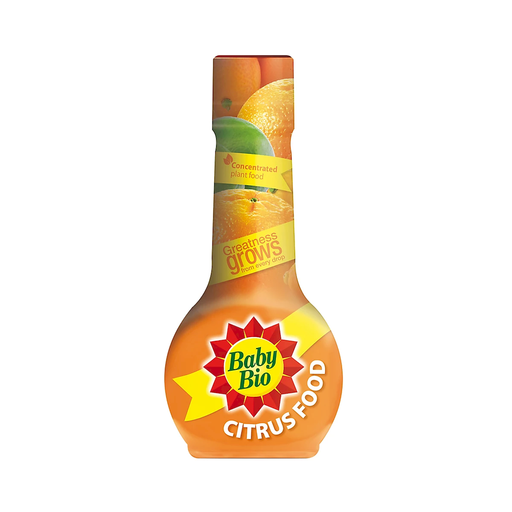
Why It Stands Out: This feed is specifically designed for citrus plants like lemons, oranges and kumquats grown in pots. Its formulation is rich in the essential nutrients needed for healthy leaf development and its high potassium content is particularly beneficial for encouraging abundant flowers and, subsequently, fruit.
Pros:
Who is it for? Ideal for UK gardeners growing citrus trees in containers, whether indoors or on a patio, who want to support the plant's overall health and fruiting potential.
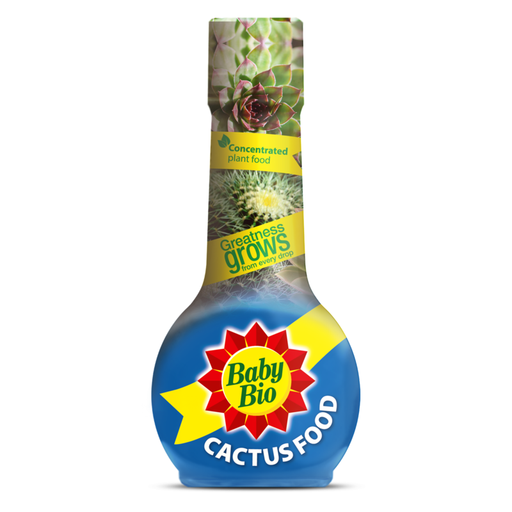
Why It Stands Out: Cacti and succulents require a delicate nutritional balance to thrive. This cactus feed provides a carefully calibrated mix of nutrients that supports steady, compact growth without encouraging the soft, weak stems that can result from over-feeding with high-nitrogen fertilisers. It helps maintain the plant's structural integrity and vibrant colour.
Pros:
Who is it for? Perfect for collectors of cacti and other succulents who need a reliable succulent fertiliser to maintain plant health and appearance during the growing season.
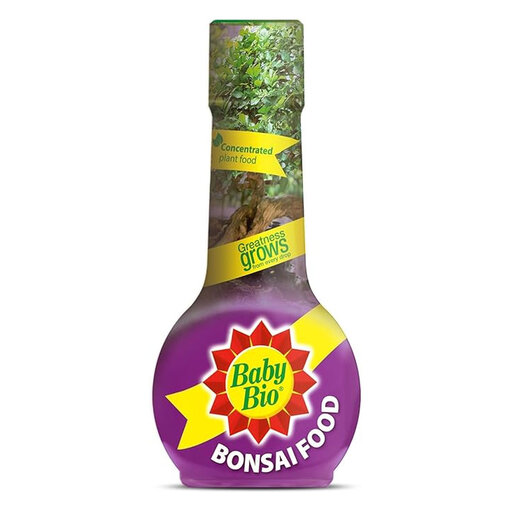
Why It Stands Out: The art of bonsai is about controlled, balanced growth. This bonsai food is formulated to provide all the essential nutrients needed for health and vitality without promoting excessive growth that would compromise the tree's miniature form. It supports strong structure and resilience in a wide range of indoor and outdoor bonsai species.
Pros:
Who is it for? An excellent choice for bonsai enthusiasts, from beginners to the more experienced, who need a dependable feed to maintain the health and structure of their trees.
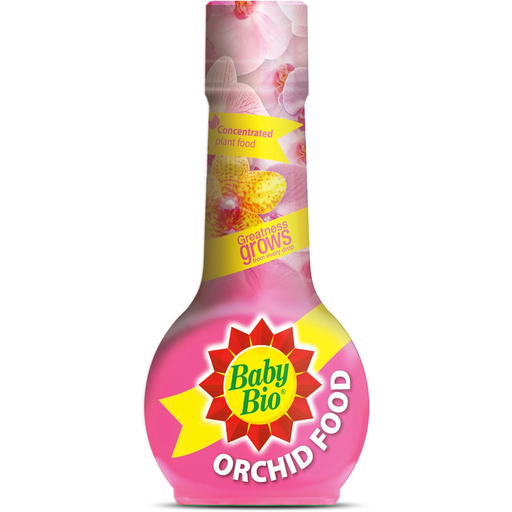
Why It Stands Out: As one of the most popular specialist houseplants, orchids have very particular feeding needs. This orchid feed from the well-known Baby Bio plant feed range has a balanced nutrient ratio (NPK 5.3-2.2-0.85) that encourages healthy growth and vibrant, long-lasting flowers without harming their delicate aerial roots.
Pros:
Who is it for? A must-have for anyone caring for orchids, providing the specific nutritional support needed to encourage repeat blooming and maintain overall plant vitality.
If your specific plant wasn't featured above, or if you'd like to compare other options, there is a wide range of feeding solutions available. From all-purpose feeds to other specialist formulas, finding the right match is key to a healthy indoor garden.
Explore our complete collection of Concentrate Liquid Plant Feed to find the perfect match for your houseplants.
This depends on the plant and the time of year. Most houseplants, including those requiring specialist feed, benefit from feeding every 2-4 weeks during the active growing season (spring and summer). In autumn and winter, you should reduce the frequency significantly or stop altogether as the plant's growth slows. Always read and follow the instructions on the product label for the most accurate guidance.
While a general-purpose fertiliser is better than nothing, it is not ideal for plants with highly specific needs. Cacti and succulents can be damaged by the high nitrogen content in many standard feeds, and orchids require a more delicate balance to encourage blooming. Using a specialist plant feed ensures you are providing a diet tailored to their unique requirements.
Common signs of nutrient deficiency include yellowing leaves (especially older, lower ones), slow or stunted growth, weak stems and a lack of flowers or fruit on plants that should be producing them. If you notice these symptoms and have ruled out other issues like over or under-watering, it may be time to introduce a suitable indoor plant fertiliser.