
24/7 Customer Support

Free returns

Same-day & Next-day Delivery

Quality Guaranteed

Unlock Your Welcome Offers: FREE Delivery | Up to 80% OFF | Free 30-day JoyPlus trial
Download the APP
Choosing a specialist shampoo is less about selecting the most attractive bottle and more about matching the formula to a specific scalp or hair concern. A product designed for dry skin may not be suitable for removing heavy styling residue, while a toning shampoo for blonde hair may not be intended for frequent use.
For UK shoppers, the main challenge is filtering useful product information from broad marketing language. Before buying, check the ingredients, directions and intended hair type rather than relying only on claims such as “repairing”, “detoxifying” or “hydrating”.
Dryness can be associated with a lack of surface oils, whereas dandruff may have different underlying causes. Both can involve itching and visible flakes, but they are not necessarily the same concern. A dry scalp shampoo may focus on gentle cleansing and moisture retention, while an anti-dandruff shampoo may contain a specifically listed active ingredient.
If flaking is persistent, severe or accompanied by irritation, consider asking a pharmacist or healthcare professional for suitable guidance rather than repeatedly changing products.
A purple shampoo for blonde hair uses violet pigments to help visually counter yellow or brassy-looking tones. It is primarily a colour-maintenance product, not automatically a deep-conditioning treatment. Bleached and highlighted hair can feel dry, so check whether the formula includes conditioning ingredients and follow the recommended contact time.
Purple pigments can also temporarily mark light-coloured shower surfaces or towels. Rinse thoroughly after use.
A sulfate-free shampoo may appeal to people who prefer to avoid certain cleansing agents, particularly those with curly, coily or colour-treated hair. However, “sulfate-free” does not tell you everything about how a formula will feel, how much it will lather or whether it will remove your usual styling products.
Read the full ingredient list. Fragrance, essential oils and preservatives may also matter if you have a sensitive scalp.
Look beyond the front label and review the ingredients near the beginning of the list. Stronger cleansing systems may be useful for oily roots or shampoo for product build-up, but frequent use can feel uncomfortable on dry or processed hair. More conditioning formulas can suit textured hair, although they may not remove layers of wax, gel or oil as quickly.
For shampoo for curly hair, consider whether the product leaves enough slip for detangling and whether your routine includes a separate conditioner. For shampoo for colour-treated hair, a formula that cleanses without leaving the hair feeling stripped may be more appropriate for regular washing.
Ingredients such as panthenol, also known as Pro Vitamin B5, and glycerin are commonly used to help hair retain moisture. Shea butter and conditioning polymers may help hair feel softer and easier to manage.
A moisturising shampoo still needs to rinse cleanly. If your hair is fine or becomes weighed down easily, rich formulas may be more suitable for occasional use than every wash.
Toning products should specify how long to leave them on. The Aussie SOS Blonde & Hydrate formula advises leaving it on for 3 to 5 minutes, depending on the desired toning level. This is different from an everyday cleansing shampoo.
Also check warnings, storage guidance and the packaging’s ingredient list before use. Products supplied in the UK should include relevant usage and safety information, but packaging remains the most current reference for batch details and shelf-life guidance.
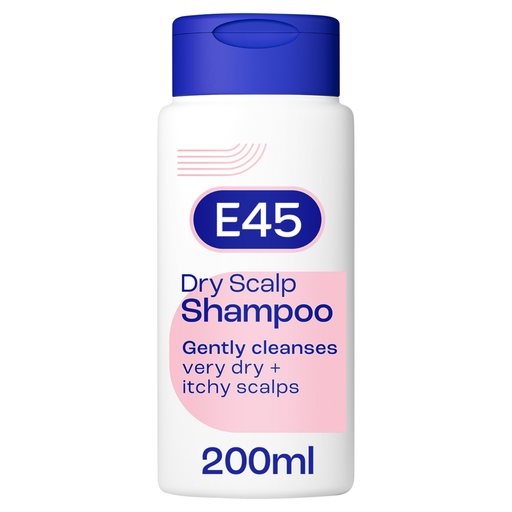
Why This Fits Their Persona: A practical option for shoppers seeking a straightforward formula for dry, itchy or flaky scalp concerns, with a 200ml size that is easy to add to an existing routine.
Its description clearly identifies dry, itchy and flaky scalp use instead of relying only on a general moisturising claim. It is listed as soap, colour and perfume free.
Contains panthenol and glycerin; the product description states that it is suitable for everyday use on all hair types.
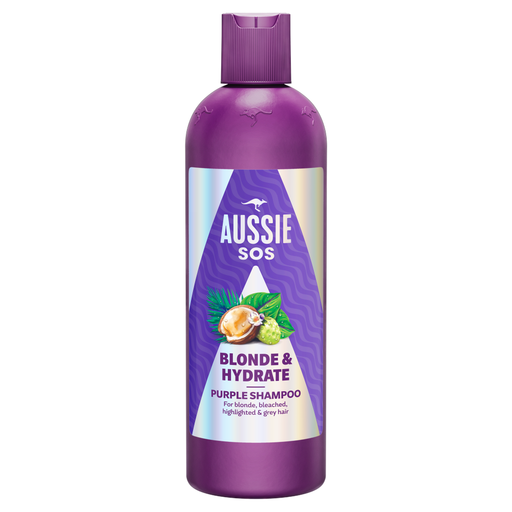
Why This Fits Their Persona: Suits people maintaining blonde, bleached, highlighted or grey hair who want a dedicated toning step rather than an all-purpose shampoo.
The directions specify a 3-to-5-minute contact time, helping shoppers control toning instead of leaving purple pigment on indefinitely.
A 300ml purple formula for blonde and grey hair; the packaging is made from recyclable PET according to the product description.
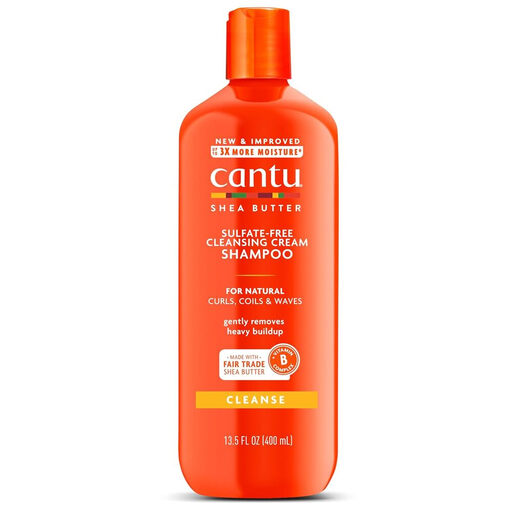
Why This Fits Their Persona: Designed for shoppers with natural, curly, coily or wavy hair who regularly use creams, gels and oils that can create substantial product build-up.
The directions specifically allow a second lather and rinse for heavy build-up. The ingredient list also lets shoppers assess the formula beyond its sulfate-free front-label claim.
The 400ml format is useful for regular routines; the formula includes shea butter, glycerin and panthenol.
We have compiled a complete, real-time list of products that fully satisfy these strict selection criteria and UK safety regulations.
It depends on the formula and your concern. A gentle dry scalp shampoo may be suitable for regular use if the packaging says so. Purple shampoo is often used intermittently, while a product-build-up shampoo may be reserved for occasions when styling residue accumulates. Always follow the directions for the specific product.
It can be, but the label alone does not guarantee compatibility with every colour-treated routine. Check the complete ingredients, cleansing strength and your hair’s response. A separate conditioner may also be needed to maintain softness and manageability.
No shampoo should be treated as a guaranteed permanent solution. Flaking may have several causes, and results can vary between users. If symptoms continue, worsen or involve significant discomfort, seek advice from a qualified healthcare professional.