
24/7 全天候客户支持

免费退货

当日/次日达

品质保障

开启新人专享福利: 全场免邮 | 低至 2 折 | 免费试用 30 天 JoyPlus 会员
下载 Joybuy
Navigating the world of skincare can feel overwhelming. Aisles are filled with tubs and tubes all promising solutions, but finding the right specialist skin cream for your specific needs—be it for yourself or your family—is often a process of trial and error. Many of us have been drawn in by appealing packaging or impressive claims, only to find the product doesn't deliver or, worse, irritates our skin.
As a Joybuy Product Recommendation Officer, my role is to help you sidestep these common issues. Before you make your next purchase, let’s look at a few frequent pitfalls that lead to wasted money and continued skin frustration.
To make an informed choice, focus on the formulation rather than the marketing. Understanding a few key parameters will empower you to select a product that genuinely addresses your concerns.
The effectiveness of a specialist cream hinges on its active ingredients. Instead of being swayed by vague promises, look for specific compounds known to target your issue.
The base of a cream determines how it feels and functions. A face and body moisturiser might use a blend of these properties.
For very dry or compromised skin, a cream rich in emollients and occlusives is often necessary. For general hydration or oily skin, a lighter formula with more humectants might be more suitable.
Instead of a single "top" product, the right choice depends entirely on your needs. Here are our recommendations matched to different user profiles.
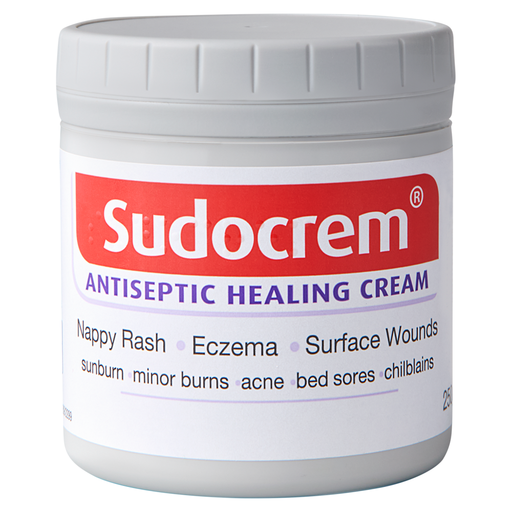
Why This Fits Their Persona: This is a classic multi-purpose cream found in many UK households for a reason. It's a reliable go-to for a range of minor skin complaints, from soothing nappy rash on babies to protecting skin around minor cuts and grazes for adults.
It doesn't rely on trendy, unproven ingredients. Its formula is built around established components like Zinc Oxide, which provides a clear, functional benefit as a protective barrier.
Combines antiseptic properties with a water-repellent base, making it a versatile antiseptic cream for the whole family. The formula includes hypo-allergenic lanolin to help soothe skin.
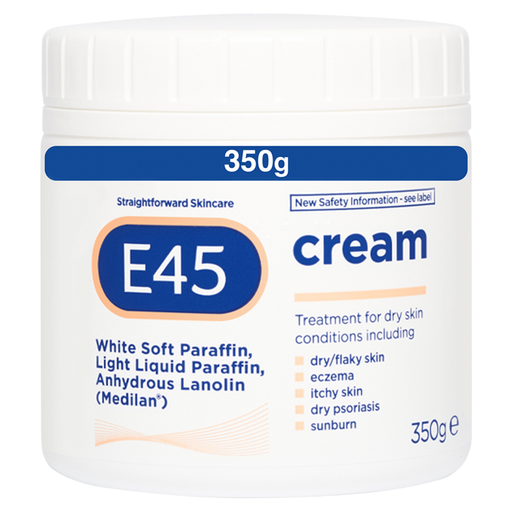
Why This Fits Their Persona: For those dealing with persistent dry skin conditions like eczema or dermatitis, a reliable, non-irritating emollient is essential. This cream is specifically designed for this purpose, providing hydration and relief without unnecessary additives.
It avoids being a "one-size-fits-all" product by focusing squarely on treating dry skin. It is fragrance-free and dermatologically tested, minimising the risk of irritation for sensitive skin.
The non-greasy formula is effective for dry, flaky skin and is suitable for the whole family, including babies over one month. It uses a combination of emollients to lock in moisture.
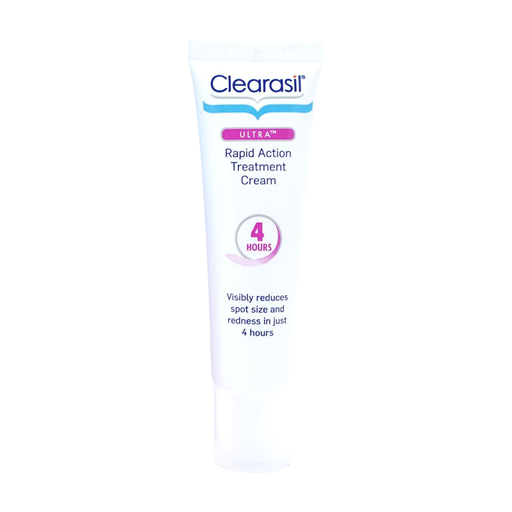
Why This Fits Their Persona: When dealing with spots, a targeted treatment is more effective than a general moisturiser. This cream is designed as a specific acne treatment to be applied directly to blemishes.
This is a specialist product, not a "one-size-fits-all" cream. It focuses on one job: fighting spots. Its formulation is built around a well-known active ingredient for this specific purpose.
The formula contains Salicylic Acid to help unblock pores. It is designed to be applied directly to spots for targeted action, and the cream absorbs quickly into the skin.
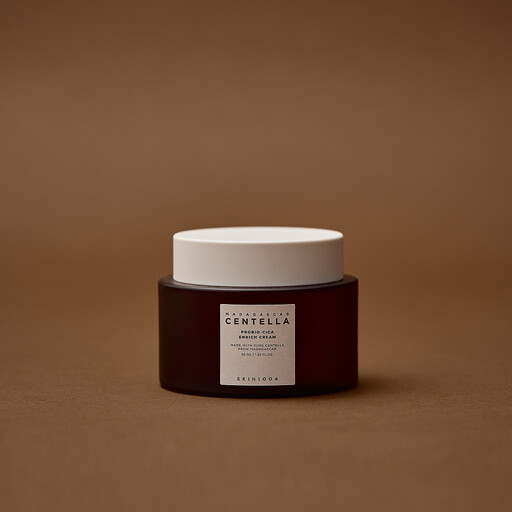
Why This Fits Their Persona: For those focused on overall skin health and resilience, particularly with sensitive or reactive skin, a cream focused on skin barrier repair is a sound investment. This product uses a modern formulation to soothe and strengthen the skin.
While it uses ingredients like Centella Asiatica, their purpose is clearly defined: to soothe and repair. It avoids vague "miracle" claims by focusing on the tangible goal of fortifying the skin's natural defences.
The formula blends soothing Centella Asiatica with probiotics and Ceramide NP to repair and reinforce the skin barrier. It has a rich texture that provides deep moisturisation without feeling heavy or sticky.
We have compiled a complete, real-time list of products that fully satisfy these strict selection criteria and UK safety regulations.
The main difference is the oil-to-water ratio. Creams have a higher water content, making them lighter and more easily absorbed. Ointments have a much higher oil content (often around 80%), making them greasier and thicker. Ointments are excellent at sealing in moisture and are often recommended for extremely dry, cracked skin or for overnight use, while creams are generally preferred for daytime use on the face and body.
This depends on the condition and the product. For immediate relief from dryness or itching, you may feel a difference after the first application. For conditions like acne or for repairing the skin barrier, it typically takes several weeks of consistent use. Skin cells take about 28 days to turn over, so it's advisable to use a product for at least a month to properly gauge its effects.
Generally, you can use a face cream on your body, but it's often not cost-effective as they come in smaller containers. Using a body cream on your face is more complex. Body creams can be thicker, richer and may contain fragrances or ingredients that could clog pores or cause irritation on the more delicate facial skin. If you have sensitive or acne-prone skin, it is usually better to stick to a product specifically formulated for the face.