
24/7 Customer Support

Free returns

Same-day & Next-day Delivery

Quality Guaranteed

Unlock Your Welcome Offers: FREE Delivery | Up to 80% OFF | Free 30-day JoyPlus trial
Download the APP
From a bustling café menu board to a critical safety marking on a factory floor, the humble marker pen does more work than we often give it credit for. But not all markers are created equal. Choosing the wrong type of speciality marker can lead to smudged signs, faded labels and even damaged surfaces. As a Product Recommendation Officer, I see many people fall into the same purchasing traps, wasting money on a tool that isn't fit for purpose.
Before you make your next purchase, let's look at the common pitfalls that can leave you with the wrong pen in your hand.
Understanding a few core parameters can help you navigate the options and select a marker that performs exactly as you need it to.
To avoid the common traps, focus on three key factors: the surface you're writing on, the ink's properties and the type of tip.
The most important factor is the surface. A marker's effectiveness is defined by how well its ink adheres to a specific material.
The ink's base determines its durability, odour and opacity.
The marker's tip dictates the kind of line you can create.
Instead of a generic list, we've matched specific markers to the people who need them most.
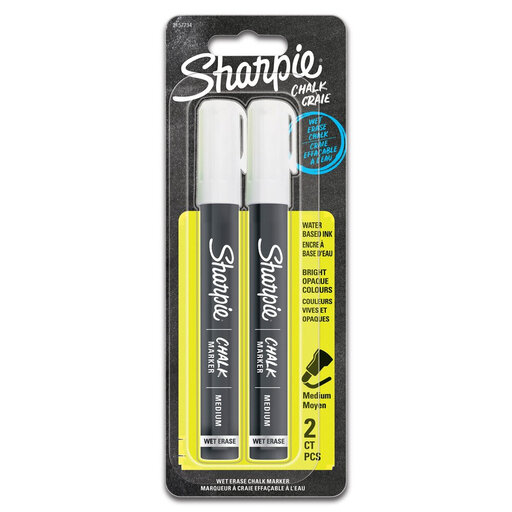
Why This Fits Their Persona: Perfect for UK pub, café and shop owners who need to update menu boards, window displays and promotional signs frequently. The bright white stands out on blackboards and glass and it can be changed daily with a simple damp cloth.
This is a dedicated wet erase chalk marker, not a "one-size-fits-all" pen. It's designed specifically for non-porous surfaces where temporary, high-visibility marking is the goal.
Delivers bright, opaque chalk-like lines without the dust. Wipes off cleanly with a damp cloth, leaving no ghosting or residue on glass or sealed boards.
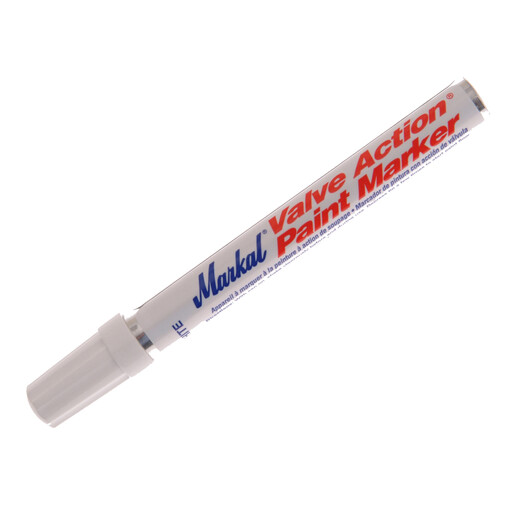
Why This Fits Their Persona: For fabricators, mechanics and construction workers who need to make clear, durable marks on steel, iron, plastic and rubber. The spirit-based paint withstands tough workshop and outdoor conditions.
This marker directly counters the "permanent" misconception. Its xylene-free paint formula is engineered for genuine permanence and resistance to UV and fading on industrial materials.
The valve-action mechanism provides excellent control over paint flow for consistent, clear lines. Its durable metal barrel is built to last in a toolbox or on a job site.
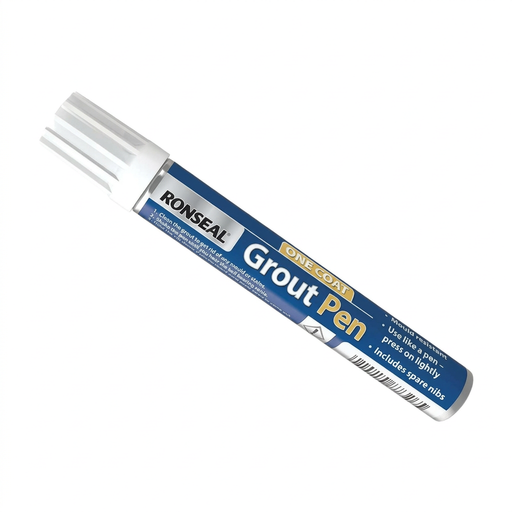
Why This Fits Their Persona: For the UK homeowner looking for a quick and easy way to refresh a tired-looking kitchen or bathroom. This pen provides a simple, no-mess solution to cover stained or discoloured grout lines between tiles.
This is the definition of a specialised tool, avoiding the "one-size-fits-all" trap. A standard white paint pen would not adhere properly or last on grout, but this grout restorer pen is formulated for that specific purpose.
The pen format allows for precise application directly onto the grout line, minimising mess on the tile. It's a cost-effective way to achieve a clean, renewed look without regrouting.
We have compiled a complete, real-time list of products that fully satisfy these strict selection criteria and UK safety regulations.
A dry erase whiteboard marker uses an ink with minimal adhesive, allowing it to be wiped off a non-porous surface like a whiteboard with a dry cloth or eraser. A wet erase chalk marker has a semi-permanent, paste-based ink that dries to a solid finish. It will not smudge with dry contact but can be removed with a damp cloth. Wet erase markers are ideal for signs and menu boards that shouldn't be erased by accident.
It is generally not recommended. Most liquid chalk pens for glass are designed for non-porous surfaces like glass, metal or sealed chalkboards. A wall painted with standard chalkboard paint is porous. The liquid chalk can soak into the paint and become difficult, if not impossible, to remove completely, potentially leaving permanent "ghost" marks. Always test on a small, inconspicuous area first.
Removing a permanent marker for metal requires a solvent. Isopropyl alcohol (rubbing alcohol) is often effective and a good first step. Apply it to a cloth and rub the mark firmly. For more stubborn paint, you may need to use acetone (nail polish remover) or a specialised graffiti remover. Always use solvents in a well-ventilated area and test on a small patch first to ensure it doesn't damage the metal's finish.