
24/7 Customer Support

Free returns

Same-day & Next-day Delivery

Quality Guaranteed

Unlock Your Welcome Offers: FREE Delivery | Up to 80% OFF | Free 30-day JoyPlus trial
Download the APP
From a fragrant Thai green curry to a perfectly formed sushi roll, the right rice is not just an ingredient; it's the foundation of the dish. Yet, walking down the rice aisle can be confusing. With labels promising "premium" quality and a dozen different grain types, it is easy to pick the wrong bag and end up with a disappointing meal. As a Joybuy Product Recommendation Officer, my role is to help you navigate the options and find the right speciality rice for your kitchen without the guesswork.
Many home cooks find their dishes don't turn out as expected, and often, the rice is the culprit. Here are a few common pitfalls to watch out for:
To avoid these traps, you don't need to be a culinary scientist. You just need to check two or three key parameters on the packaging.
The shape of the rice grain is the most important indicator of its texture and best use.
The texture of cooked rice is determined by the ratio of two starches: amylose and amylopectin.
To make things simpler, we have matched some reliable rice options to different cooking needs and user profiles.
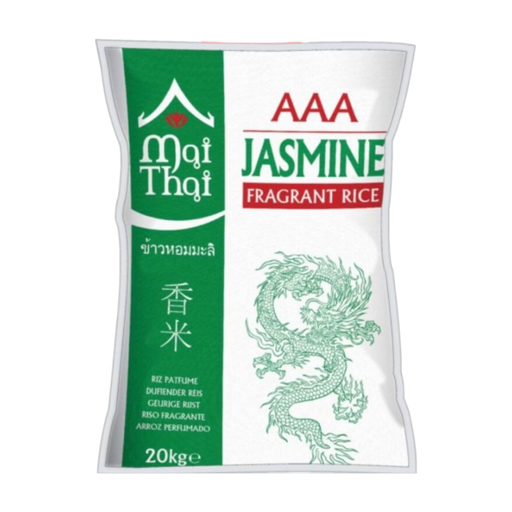
Why This Fits Their Persona: For restaurants, caterers or large families who rely on consistent quality for rice for Asian cooking, this 20kg bag offers excellent value. It ensures you always have a high-quality staple on hand for countless dishes.
This avoids the trap of paying more per-kilo for smaller bags. The AAA-grade designation for Thai Hom Mali rice is a reliable indicator of quality, signifying longer grains and fewer broken pieces.
Delivers the authentic floral aroma and soft, slightly sticky texture expected from genuine Thai fragrant rice. Highly consistent for professional results.
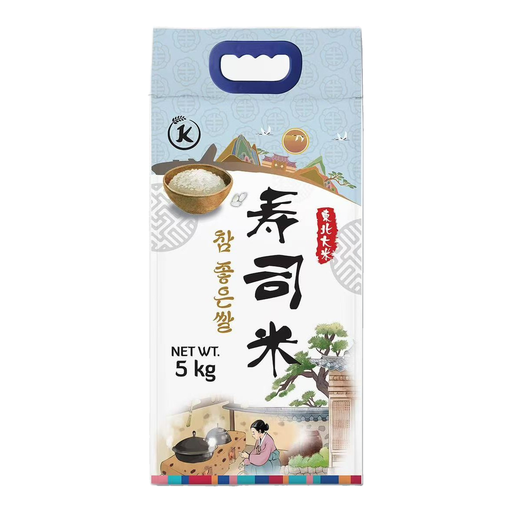
Why This Fits Their Persona: For the home cook dedicated to perfecting their maki rolls and onigiri, this rice provides the essential sticky yet distinct grain structure that standard long-grain varieties cannot replicate.
This is a genuine Japanese short grain rice, clearly labelled for its purpose. It prevents the common mistake of using the wrong grain type, which results in sushi that falls apart.
Cooks to a soft, cohesive and glossy finish. It absorbs sushi vinegar evenly, providing the authentic texture and flavour needed for high-quality homemade sushi.
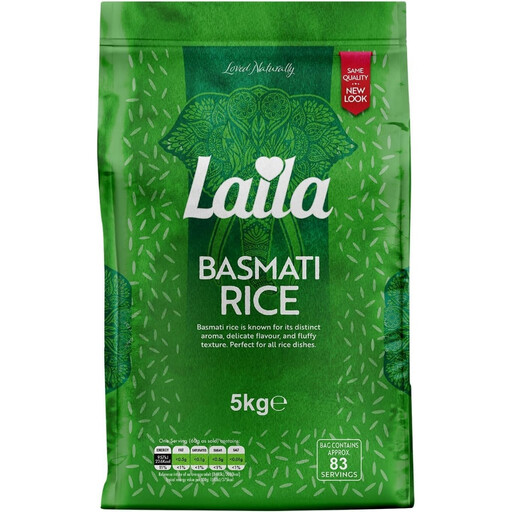
Why This Fits Their Persona: Ideal for UK households that enjoy a variety of cuisines, from South Asian biryanis and curries to simple steamed rice sides. Basmati is a fantastic all-rounder for dishes requiring fluffy, separate grains.
This is pure basmati rice, a protected name, ensuring you get the authentic long-grain, aromatic product. The 5kg bag offers better value than small supermarket boxes for regular consumption.
Known for its distinct aroma and ability to cook into long, separate and fluffy grains. It provides a reliable and authentic foundation for a wide range of dishes.
We have compiled a complete, real-time list of products that fully satisfy these strict selection criteria and UK safety regulations.
For most rice varieties, yes. Rinsing removes excess surface starch, which can make the cooked rice gummy or cause the pot to boil over. It leads to cleaner, more distinct grains. Wash the rice in a bowl with cold water, swirl and drain, repeating until the water is mostly clear. The main exception is "Musenmai" or rinse-free Japanese short grain rice, which has been pre-washed.
Although both are sticky, they are not interchangeable. Sushi rice is a type of short-grain rice that is sticky enough to be shaped but the grains remain distinct. Glutinous rice (or sticky rice) has a much higher amylopectin content, causing it to lose its individual grain shape and become a very sticky, chewy mass when cooked. It is used for desserts like mango sticky rice and savoury parcels, not for sushi.
To protect your investment in a bulk rice bag, proper storage is crucial. Keep the rice in a cool, dry and dark place. Once opened, transfer the rice from its original paper or burlap sack into one or more large, airtight food-grade containers. This protects it from moisture, pests and absorbing other odours, ensuring it stays fresh for many months.