
24/7 Customer Support

Free returns

Same-day & Next-day Delivery

Quality Guaranteed

Unlock Your Welcome Offers: FREE Delivery | Up to 80% OFF | Free 30-day JoyPlus trial
Download the APP
From fragrant curries to perfect sushi, the right rice is the foundation of a memorable meal. Yet, navigating the world of speciality rice can feel overwhelming. With so many varieties on the shelves, it is easy to make a misstep that leaves your dish falling flat. As the Joybuy Product Recommendation Officer, my role is to help you sidestep common shopping pitfalls and choose the perfect grain for your culinary adventures.
Many home cooks in the UK find themselves disappointed after spending time and money on a recipe, only for the texture to be wrong. This often comes down to a few common traps:
To avoid these issues, focus on a few key characteristics that determine how rice will behave in your kitchen.
The texture of cooked rice is primarily determined by its starch composition, specifically the ratio of two starches: amylose and amylopectin.
How the rice is processed before it reaches you dramatically affects its flavour, nutritional profile and use case.
To help you choose, we have matched some excellent options to the needs of different UK home cooks.
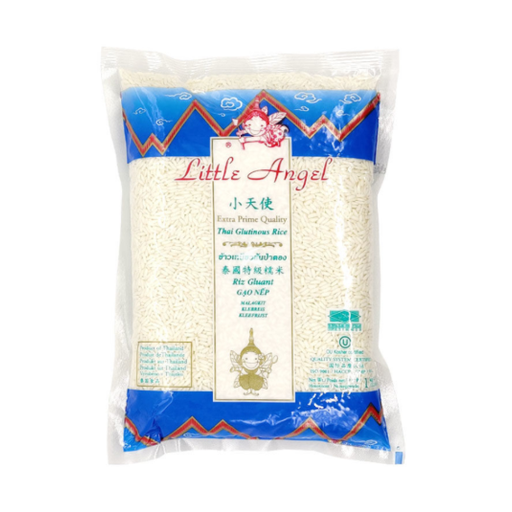
Why This Fits Their Persona: For the cook dedicated to recreating authentic Southeast Asian dishes, this is a non-negotiable pantry staple. It is the specific grain required for iconic recipes like mango sticky rice or zongzi, where texture is paramount.
This directly solves the "any rice will do" problem. It is true glutinous rice, ensuring the signature chewy, sticky result that no other rice type can replicate.
Sourced from Thailand for authentic quality. Its high amylopectin content delivers the perfect soft, cohesive texture for desserts and savoury dishes.
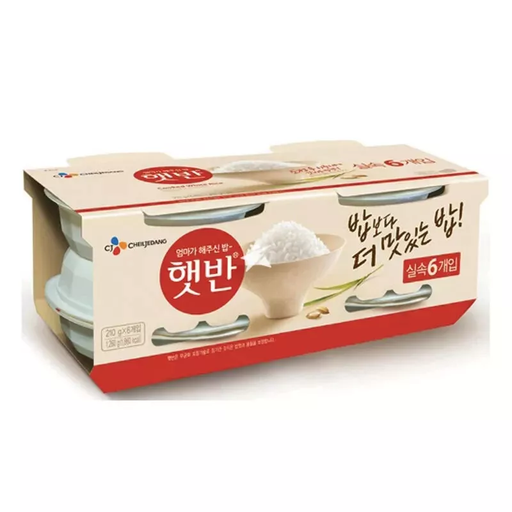
Why This Fits Their Persona: For those juggling a demanding schedule, spending 20 minutes cooking rice is not always feasible. This provides a high-quality, portion-controlled meal base that is ready in minutes.
This is the ultimate convenience format. It completely bypasses the risk of undercooked or mushy rice, delivering consistent results without any effort or culinary skill required.
Delivers the authentic texture of fluffy Korean rice in just a few minutes. The individual pots ensure freshness and are perfect for quick work lunches.
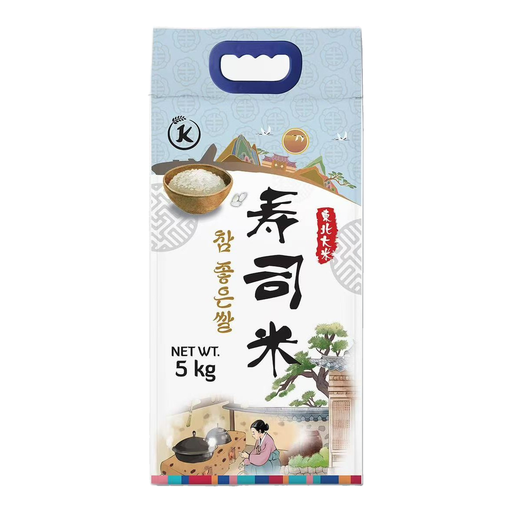
Why This Fits Their Persona: For anyone serious about making sushi, onigiri or other Japanese dishes at home, using a dedicated sushi rice is essential. This large 5kg bag is ideal for regular use and family meals.
This is a purpose-selected short-grain rice. It prevents the common failure of using long-grain rice for sushi, which results in rolls that fall apart.
Cooks to a soft, cohesive and glossy finish. The grains have the ideal stickiness to absorb seasoning evenly and hold their shape for perfect sushi every time.
We have compiled a complete, real-time list of products that fully satisfy these strict selection criteria and UK safety regulations.
For most long-grain varieties like basmati rice and jasmine, rinsing is highly recommended. It washes away excess surface starch, which prevents the grains from becoming gummy and helps them cook into separate, fluffy strands. However, for rice for risotto (like Arborio), you should not rinse the rice. The surface starch is essential for creating the signature creamy sauce of the dish.
While both are known for being "sticky," they serve different purposes. Glutinous rice, or Thai sticky rice, has an extremely high amylopectin content that makes it very dense, chewy and cohesive when steamed—perfect for desserts. Sushi rice is a specific type of Japanese short-grain rice that is sticky enough to be shaped but still allows for a distinct grain texture, which is crucial for authentic sushi.
To maintain freshness and prevent pests, it is best to transfer the rice from its original paper or plastic packaging into a large, food-grade airtight container. Store this container in a cool, dark and dry place like a pantry or cupboard. This protects the grains from moisture, which can cause mould, and prevents them from absorbing other odours.