
24/7 Customer Support

Free returns

Same-day & Next-day Delivery

Quality Guaranteed

Unlock Your Welcome Offers: FREE Delivery | Up to 80% OFF | Free 30-day JoyPlus trial
Download the APP
From the fragrant aroma of a perfect Thai green curry to the satisfying chew of homemade sushi, the right rice is not just a side dish—it's the foundation of the meal. Yet, navigating the world of speciality rice can be confusing. UK shoppers are often faced with packaging that makes bold claims, leading to disappointing results and wasted money. As the Joybuy Product Recommendation Officer, my role is to help you see past the marketing and choose the right grain for your culinary needs.
Before you buy another bag, let's look at the common pitfalls that can trip up even experienced home cooks.
To avoid these issues, focus on a few core parameters. Understanding these will empower you to select the perfect rice for any dish, whether you're cooking for your family or for a professional kitchen.
The most basic classification of rice is its length, which directly influences the cooked texture.
The stickiness of rice is determined by the ratio of two starches: amylose and amylopectin. This is a non-negotiable factor for authentic cooking.
For certain premium rice types, the origin and grade are important indicators of authenticity and quality. For example, Thai fragrant rice is often graded (e.g., AAA), which signifies a higher quality with fewer broken grains and a more pronounced aroma. The term "Thai Hom Mali" specifically refers to a premium variety of Jasmine rice grown in Thailand, renowned for its delicate, floral scent. Checking for these details on the packaging helps ensure you are buying a genuine, premium rice product.
Based on these practical criteria, here are some recommendations matched to different cooking needs and user profiles.
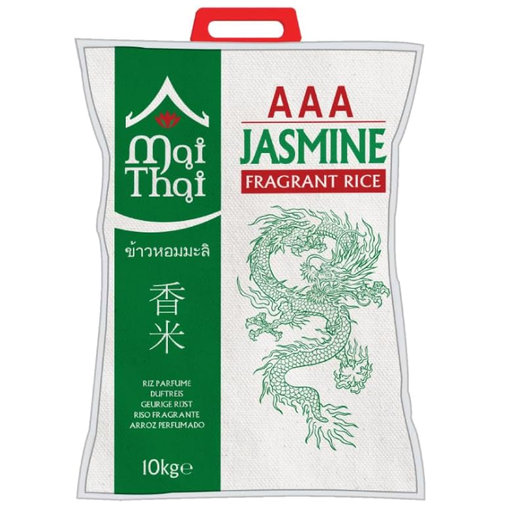
Why This Fits Their Persona: For the UK home cook who regularly prepares Thai, Vietnamese or other Southeast Asian dishes, this is an ideal pantry staple. It provides the authentic aroma and texture needed for curries and stir-fries, and the 10kg rice bag offers excellent value for frequent use.
This is a genuine AAA-grade Thai Hom Mali rice, avoiding the "fragrant style" trap. It provides the correct long grain rice with a soft, slightly sticky texture perfect for its intended cuisine.
Authentic delicate floral aroma and soft texture. The bulk rice size offers great economy for regular cooks and food service professionals.
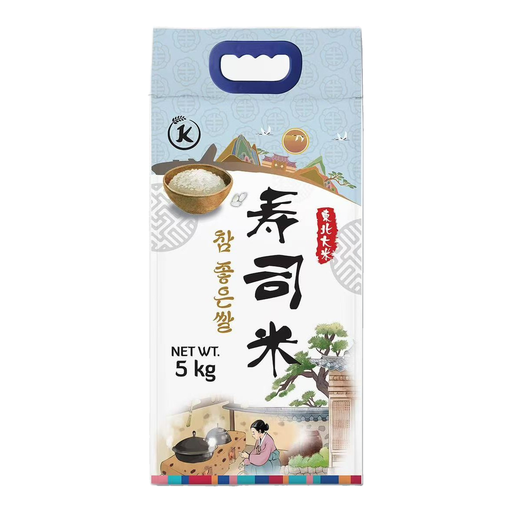
Why This Fits Their Persona: Perfect for the home cook dedicated to mastering Japanese cuisine. This rice is specifically selected for its cohesive properties, ensuring sushi rolls and onigiri hold their shape without being overly mushy. The 5kg bag is a practical size for regular practice.
This is a purpose-selected short grain rice, not a generic "sushi-style" grain. It delivers the high starch content needed for authentic sushi rice, avoiding the pitfall of using the wrong grain type.
Cooks to a soft, tender and cohesive texture that absorbs seasoning evenly. Provides consistent, reliable quality for restaurant-grade results at home.

Why This Fits Their Persona: Ideal for large families, caterers or restaurant owners who need a reliable, versatile rice in large quantities. Sella (parboiled) Basmati is famed for its extra-long, non-sticky grains that cook up perfectly separate, making it a classic choice for biryani, pilau and as a side for any rice for curry dish.
This 10kg rice bag directly counters the "small packet premium" by offering excellent value. It also provides the correct high-amylose long grain rice needed for fluffy, separate results, avoiding the "wrong grain" mistake.
Parboiling ensures grains are exceptionally long, separate and non-sticky. The bulk rice format provides outstanding value for high-volume kitchens.
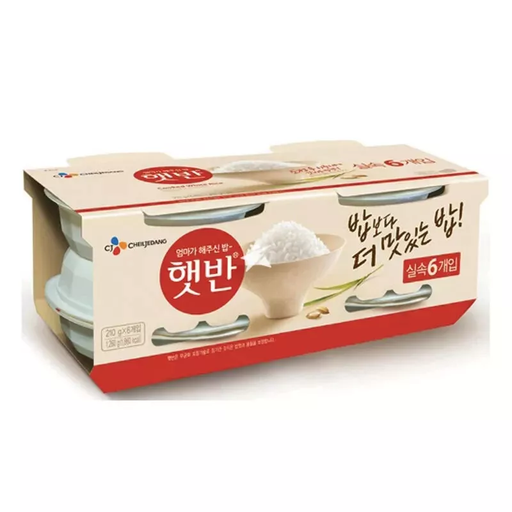
Why This Fits Their Persona: For busy individuals in the UK who need a meal in minutes, this is the ultimate convenience. Perfect for a quick office lunch or a hassle-free side dish after a long day, it eliminates cooking and cleaning time entirely.
This product avoids the trap of wasted time and effort. It delivers perfectly cooked, fluffy rice every time without any guesswork, providing a reliable solution for when cooking from scratch isn't an option.
Ready in minutes from the microwave. The individual portions in this microwavable rice pack ensure freshness and reduce food waste.
We have compiled a complete, real-time list of products that fully satisfy these strict selection criteria and UK safety regulations.
For most uncooked rice varieties, yes. Rinsing removes excess surface starch. For long grain rice like Basmati, this is key to achieving fluffy, separate grains. For sushi rice, it helps create a clean flavour and prevents the final product from being overly gummy. The main exception is specially milled "no-wash" rice, often labelled as musenmai, which is ready to cook straight from the bag.
While both are known for being sticky, they serve very different culinary purposes and are not interchangeable. Glutinous rice (or sticky rice) has an extremely high amylopectin content that makes it exceptionally chewy and cohesive when steamed, perfect for desserts and dumplings. Sushi rice is a type of short grain rice that is sticky enough to be shaped but still allows the individual grains to have some definition. Using glutinous rice for sushi would result in a dense, paste-like texture.
To maintain freshness and protect your investment, store the 10kg rice bag in a cool, dry place, away from direct sunlight and moisture. Once the bag is opened, it is highly recommended to transfer the rice into large, airtight food-grade containers. This will protect it from pests, prevent it from absorbing ambient odours and keep it dry, ensuring your premium rice stays in top condition for months.